Info:
Duration: 51’ 17”
Narrated by Christopher Nupen
Year of production: 1968
Also featuring:
Daniel Barenboim
Itzhak Perlman
Rotterdam Philharmonic Orchestra
Edo de Waart
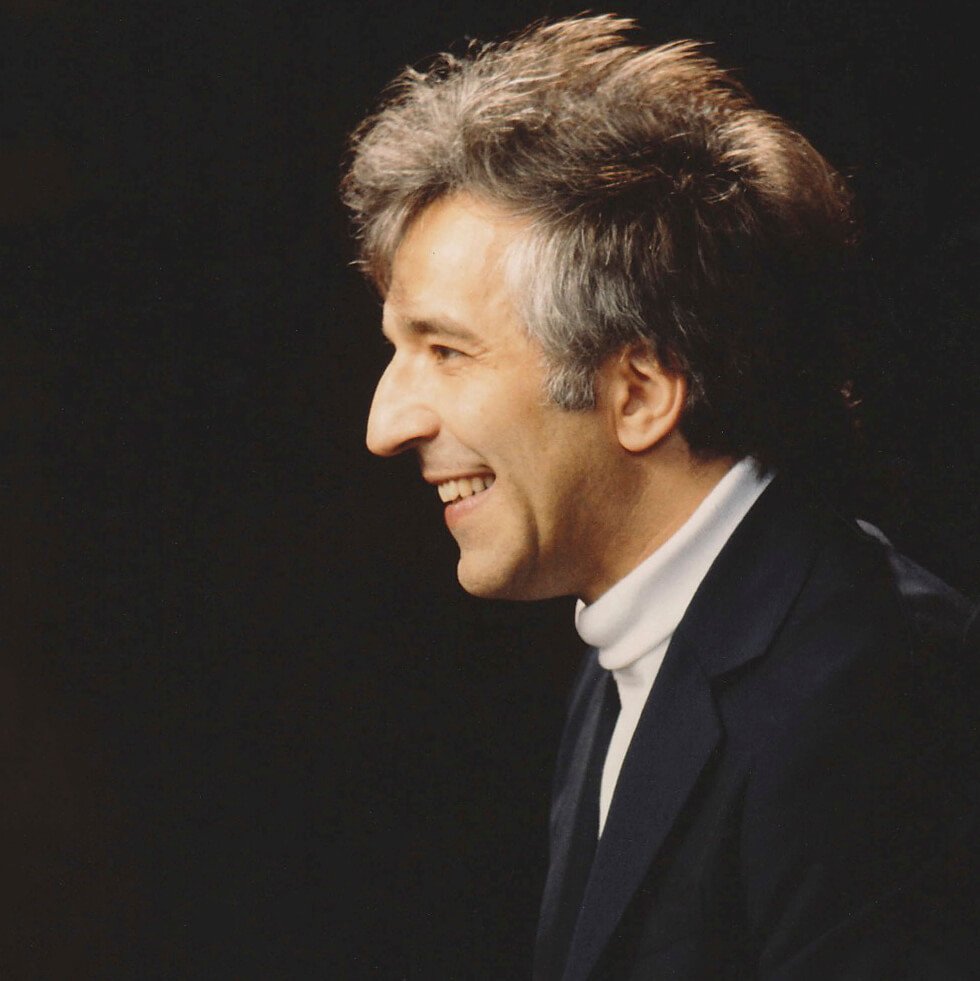
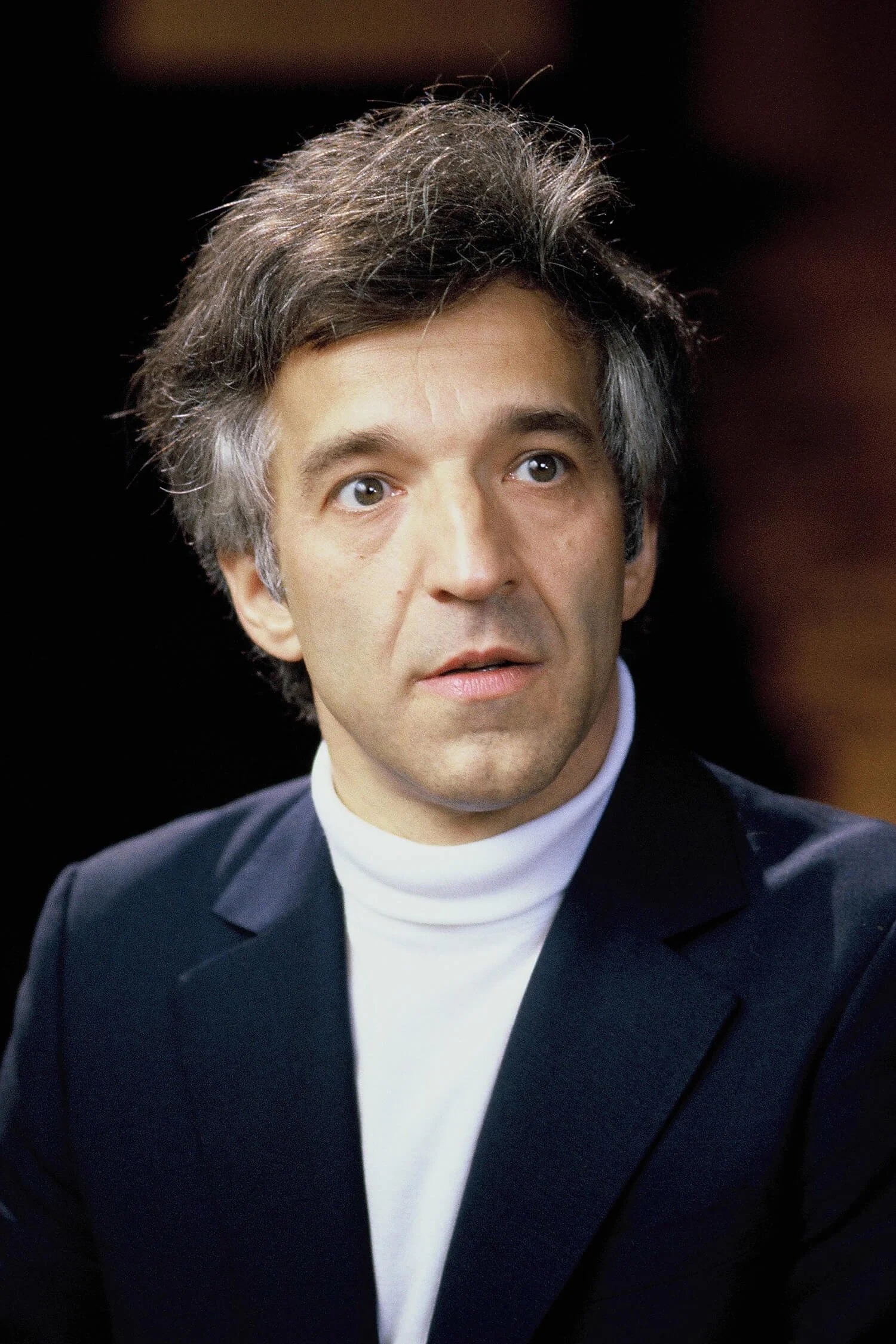
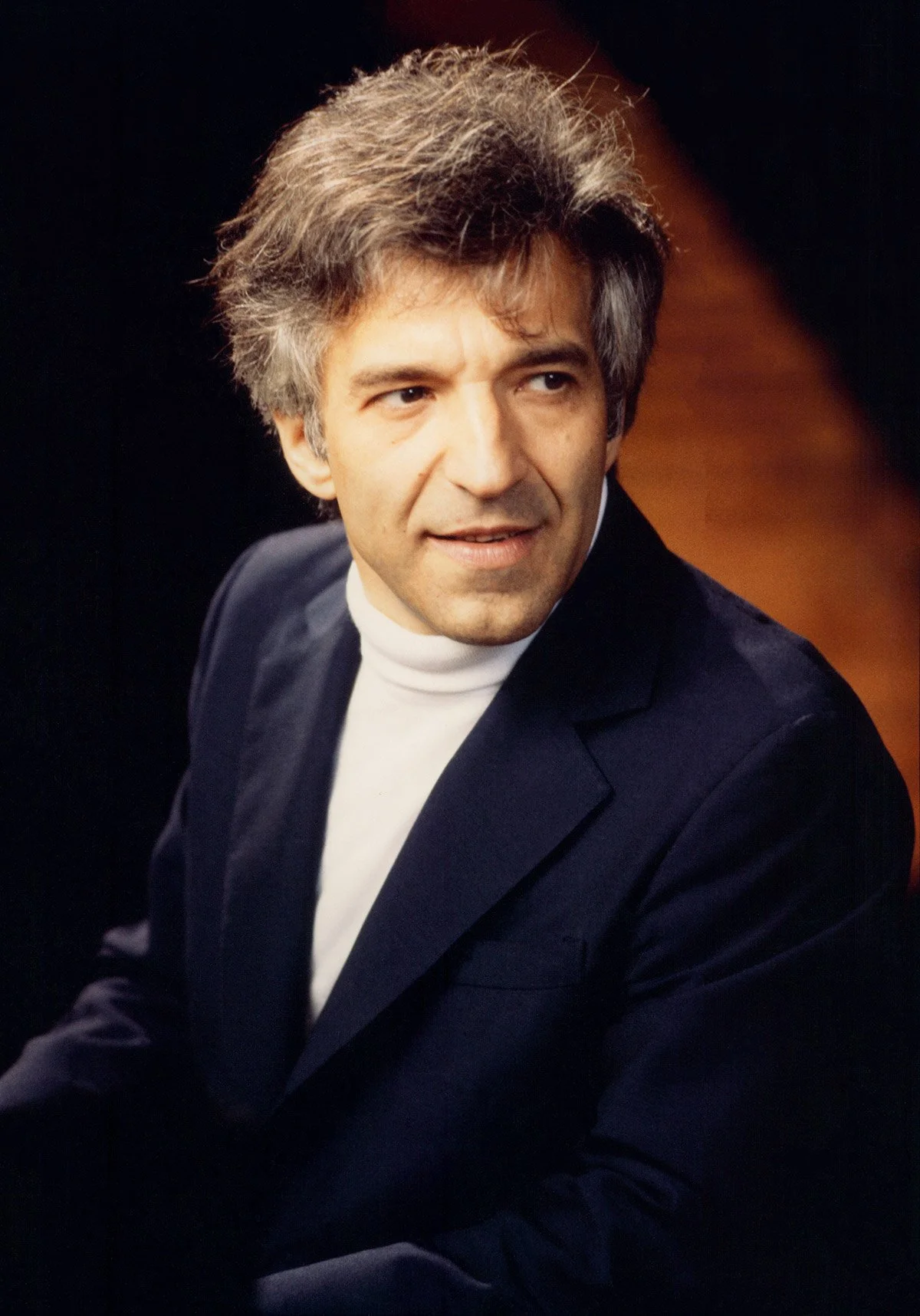
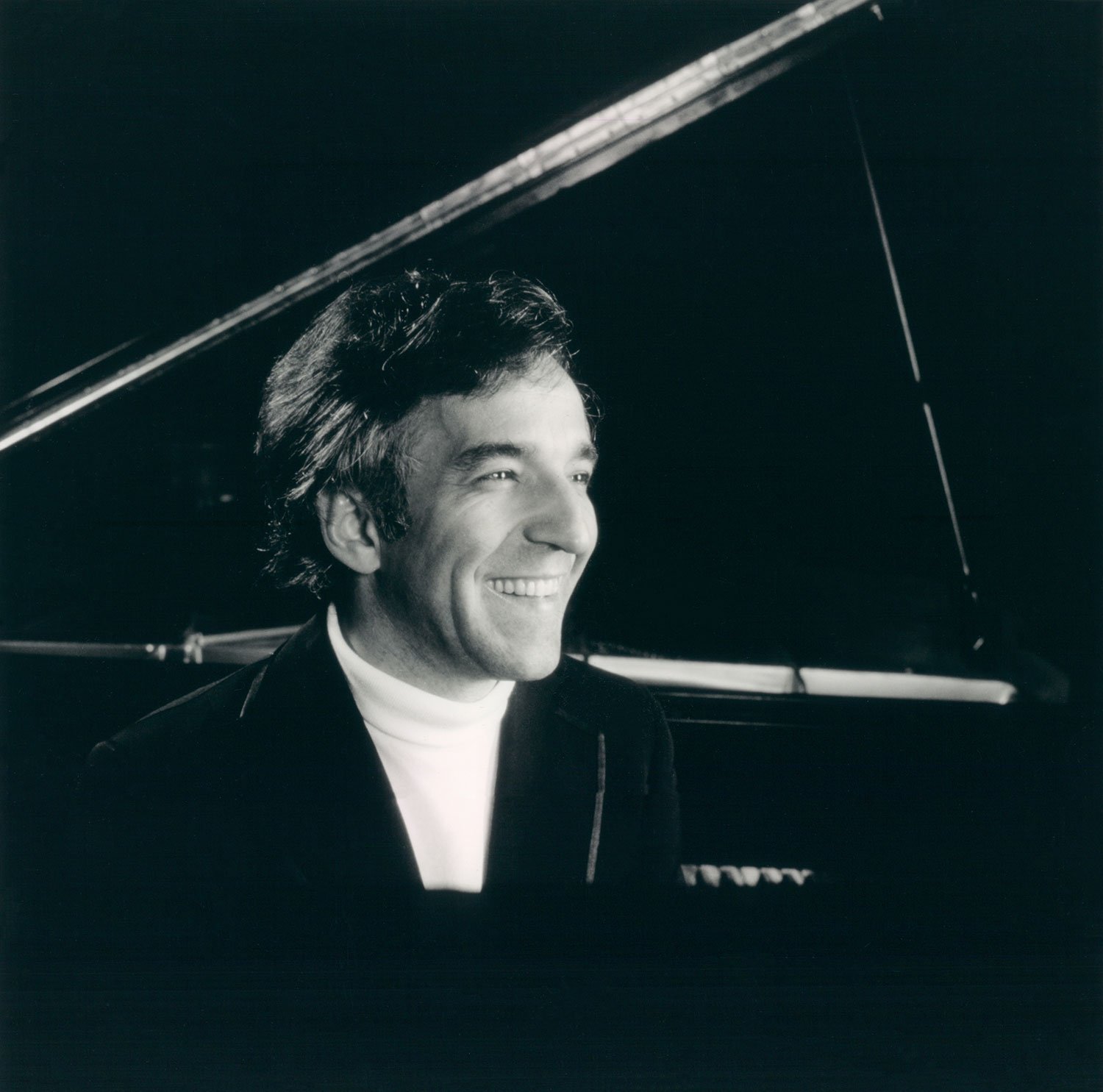
On the 8th of June 1968 Vladimir Ashkenazy, with his Icelandic wife and their two children, arrived at their new home in Reykjavik in Iceland. It was a crucial moment in their lives. They had left the Soviet Union, with the help of Nikita Kruschev, in 1963 and for five years had lived in London.
Coming to terms with living in the West and with the pressures of a high level international concert career had proved difficult however and they felt that they needed more space and more time, both for their private and for their professional lives.
In his teens Ashkenazy had won several major prizes including the Chopin International Prize in Brussels in 1956 and the Tchaikovsky Competition in Moscow in 1962. He nevertheless felt that he had been inadequately prepared by the Russian educational system. He felt strongly that while he was totally at home with Russian music he was not close enough to the great traditions of the West. As subsequent events have proved, those anxieties say more about his earnestness than about his abilities, but the worries were real enough at the time.
It seemed to us an ideal moment to make a film about this Russian-born master pianist, with his very particular personal appeal, adapting to life and music in the Western world and so we went with him to Iceland to film him and his family during their first days there.
-
After moving to the West, Ashkenazy's career had taken off at an almost alarming rate. It had been boosted, dramatically, by the international success of our film Double Concerto in which he and Daniel Barenboim had appeared together for the first time. That film, after winning both the Prague and Monte Carlo prizes, was shown in 18 countries within 12 months of its first broadcast and attracted, for both artists, an international public that might otherwise have taken them 20 years or more to build. The success, however, further increased the pressures.
Films of this kind depend heavily on being in the right place at the right time and we felt that we had begun at an auspicious moment. So we followed our couple from Iceland on a tour of Europe, to continue observing them at a time when they were deeply engaged in a process of dramatic change and reflecting daily on their situation and their problems.
The film includes sequences with Itzhak Perlman, Daniel Barenboim, Edo de Waart and the Rotterdam Philharmonic Orchestra. There is is music by Beethoven, Chopin, César Franck and Stravinsky.It is a closely observed account of one of the most demanding and rewarding of all professions and was described by Ingmar Bergman on Swedish television in 1972 as the best he had seen about a living musician.


Our Films on DVD

This DVD presents Vladimir Ashkenazy as pianist, conductor, musical guide and master musician - an intimate and engaging view of one of the world's most quietly successful musicians.
It contains the portrait film Vladimir Ashkenazy: The Vital Juices Are Russian, shot in 1968 when Ashkenazy moved with his wife and son from London to Iceland, an important turning point in his life and career.
Since that film was made, Ashkenazy the pianist (possibly the most frequently recorded pianist in history, his discography runs to 56 pages), has also become an international conductor of the highest rank and we include a montage of sequences from our composer films with Ashkenazy as conductor. It also contains a short interview with Ashkenazy who talks, in his modest but penetrating way, about musical gifts and their origins.
The DVD ends with a film about Rachmaninov's Corelli Variations. In it Ashkenazy discusses the piece at length, with great affection and some telling musical insights. It ends with a complete performance of the piece, filmed at a public concert in Lugano.

This DVD celebrates the musical quest of one of the great symphonists of the twentieth century; Jean Sibelius, as seen through his music, his letters and the words of his wife Aino, who was with him for more than sixty-four years. His quest was not an easy one. Living through the great turning point in Western music, many of his concerns were strikingly similar to those of Schoenberg and Stravinsky but each chose a different path.
Sibelius once said that while his colleagues were serving multicoloured cocktails, he offered only pure spring water. The metaphor is a good one but, as so often with artists who take an untrod path, critical opinion has fluctuated wildly. In 1935 Sibelius was voted the most popular composer of all time by the members of The New York Philharmonic Society, a view that was echoed by many of the leading critics and composers in England.
By the 1950s critical opinion had relegated Sibelius to a position of minor importance.
Views are changing again and the time seemed right for an intimate look at what Sibelius himself felt that he was trying to achieve. The film in two-parts on this DVD is an attempt to do just that.

The two pioneering films on this DVD do not use actors to represent the composer but are made entirely of Tchaikovsky's own words and music, plus the words of a few of his closest companions. The result gives an exceptionally intimate picture of the inner landscape of Tchaikovsky's work and artistic preoccupations. Scrupulously well researched, the films are a treasure trove for the enquiring Tchaikovsky fan.
The first film, Tchaikovsky's Women (70' 15"), looks at the women both in his private life and in his music. In his early years, almost all of his best work was inspired by a deep identification with the plight of his suffering young heroines, an identification so complete that it spilled over repeatedly into his personal life with dramatic consequences.
The second film, Fate (85' 35"), looks at Tchaikovsky's strange relationship with Nadezhda von Meck which was to become the most important attachment of his life, after his mother. It also follows Tchaikovsky's shift from the fate of his young heroines to his increasing concern with the idea of fate as a controlling influence in his own life and as a motivating force in his later symphonies. The progression is inexorable and nowhere more evident than in the fatal message within the last movement of the sixth symphony, his final and greatest masterpiece.