Info:
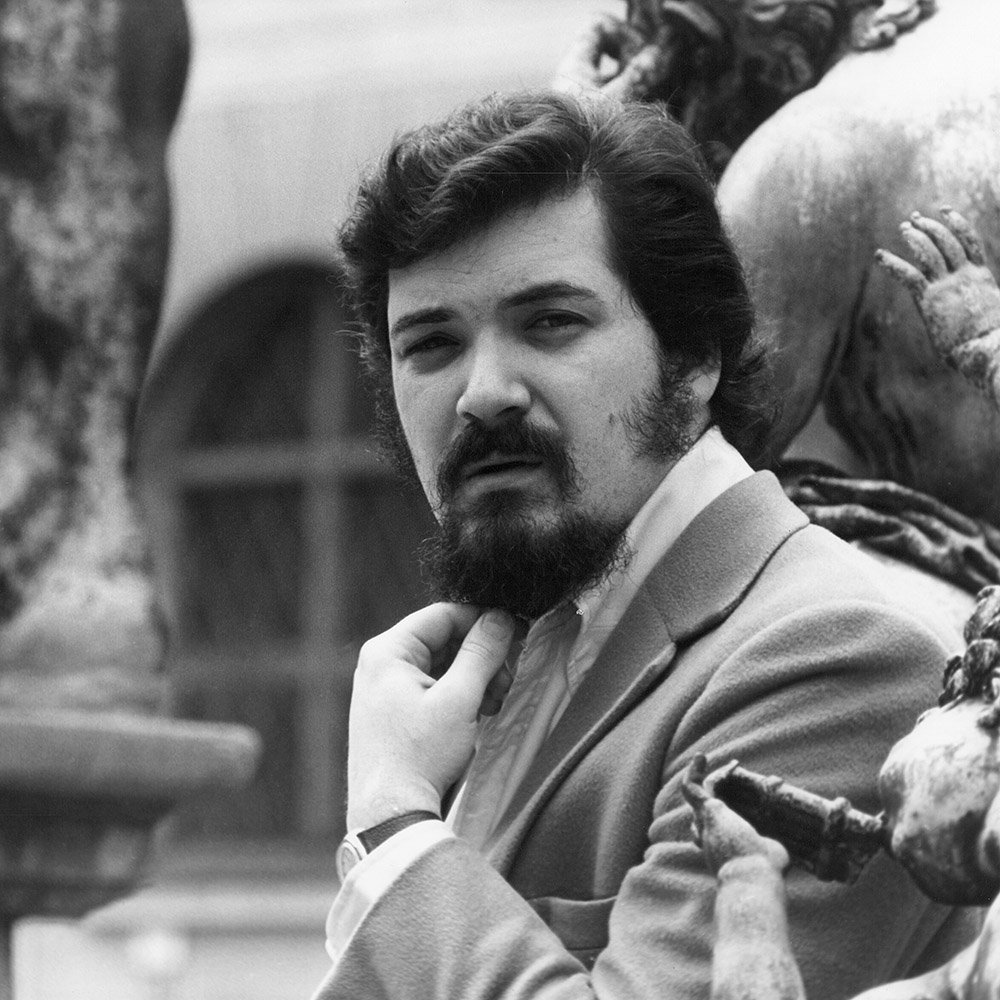
Narrated by Christopher Nupen
Year of production: 1983
Award:
Gold Medal winner (Music category), New York International Film and Television Festival, 1983
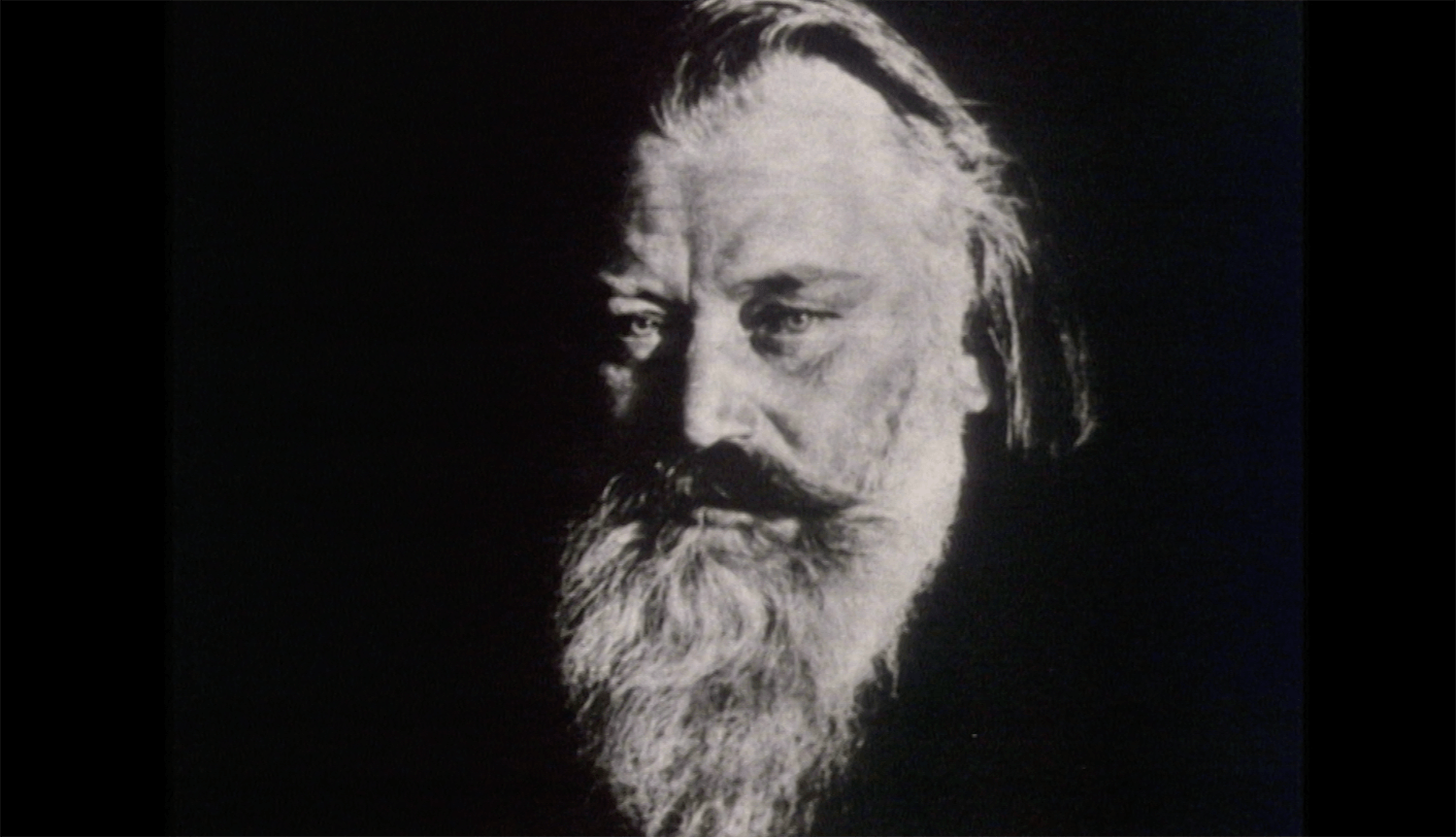
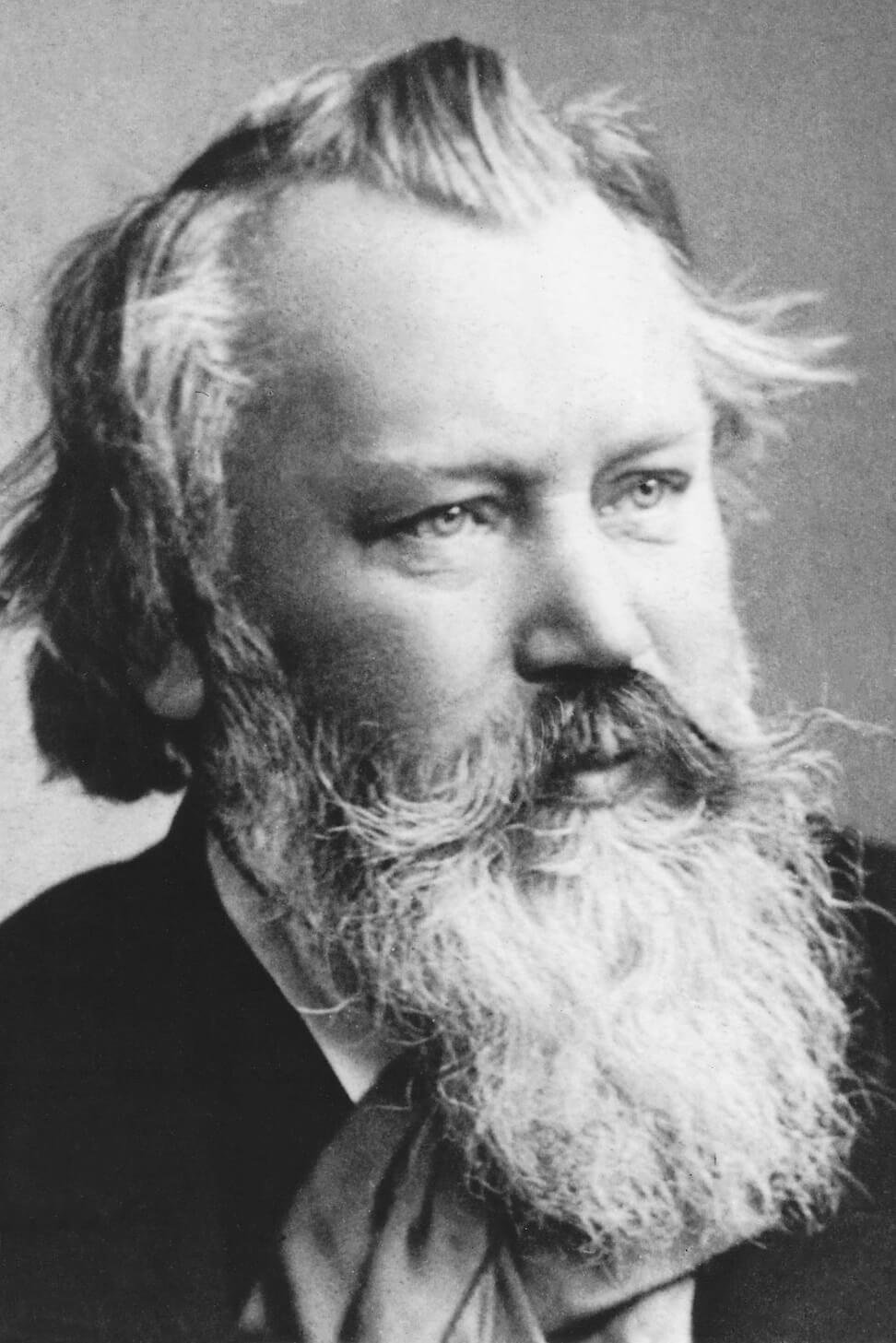
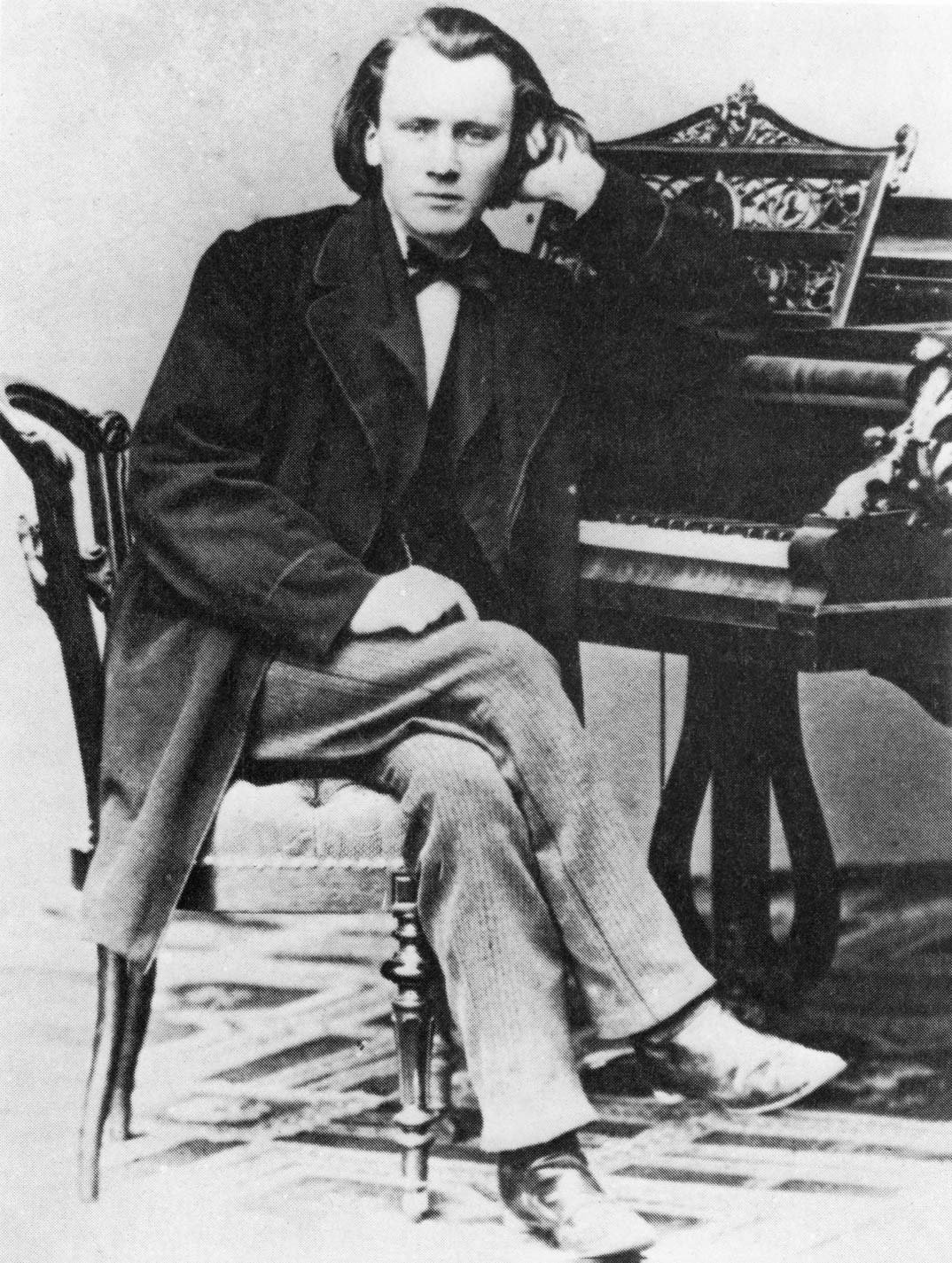
Three television programmes about the Brahms Violin and Viola Sonatas.
Part One: (FAE Scherzo Violin Sonata No 1 Op 78) - 57' 20"
Part Two: (Violin Sonatas No 2 Op 100 and No 3 Op 108) - 54' 28"
Part Three: (Viola Sonatas Op 120 No 1 and Op 120 No 2) - 57' 10"
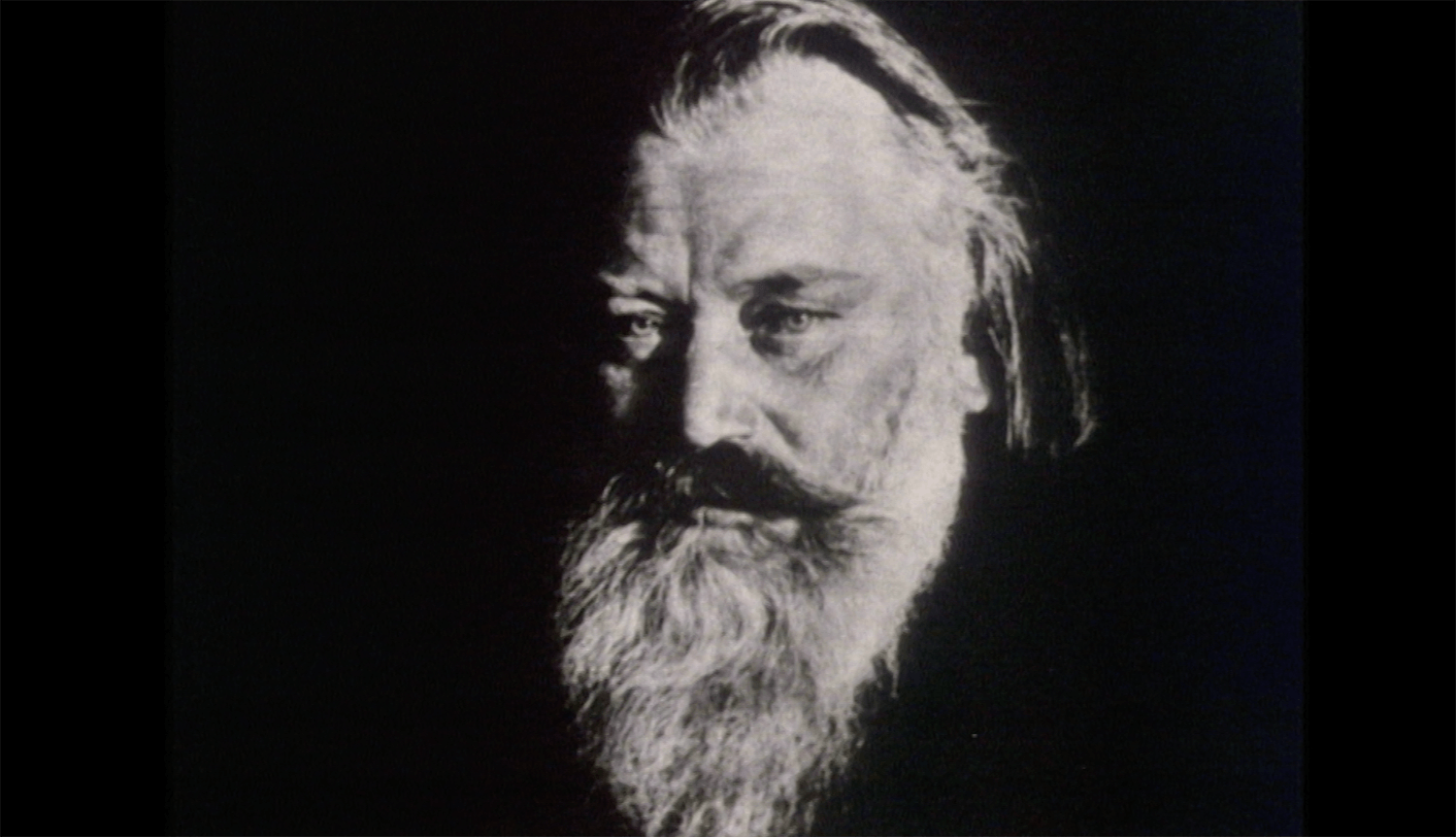
Each programme contains an introduction, shot on film (in Germany, Switzerland and Austria), describing some of the circumstances in which Brahms wrote these works which are performed complete by Pinchas Zukerman and Marc Neikrug.
-
The third Violin Sonata, written, like the second, during Brahms’s three exceptionally fertile summers on the shores of Lake Thun, is the most abstract and systematically constructed of the three; it is, however, dedicated to Brahms’s friend, Hans von Bülow and reflects something of Brahms’s appreciation of von Bülow’s virtuosity as a pianist.
The third programme introduces the Opus 120 Viola Sonatas. Written originally for the clarinet and transcribed by Brahms himself at the time of their composition, they were inspired by his relationship with Richard Mühlfeld, the clarinettist of the Meiningen Court Orchestra.
They were written when Brahms had already twice decided that he would publish nothing more, only to find himself irresistibly drawn by the exceptional quality of Mühlfeld’s sound and his skill as a chamber music performer. Fired by his enthusiasm for Mühlfeld’s playing, Brahms not only wrote the Opus 120 Sonatas and arranged them for the viola, but actually went on a performance tour with Mühlfeld at the age of sixty-two, less than two years before he died.

Our Films on DVD

This is a DVD about many things. It is about freedom and captivity, about emancipation, acculturation and assimilation; it is about the roles played by Moses and Felix Mendelssohn in the dream of fruitful, unproblematic integration of the Jews into German society after their liberation from the ghettos; it is about Richard Wagner, his essay Das Judenthum in der Musik (The Jews in Music) and his influence on the thinking of the Third Reich but, most of all, it is a DVD about how much music can mean to people, even in the direst of circumstances, or particularly in the direst circumstances.
The title, We Want the Light, is taken from a poem by a 12-year-old girl, Eva Pickova, written in the Theresienstadt concentration camp. Her words provide both the title and the climax - in a setting for two choruses and orchestra by the American composer Franz Waxman, in his work The Song of Terezin. The DVD also contains music by Mahler, Bach, Schoenberg, Bruch, Schumann, Mendelssohn, Wagner, Schubert, Bloch and Brahms.
With the Gürzenich Orchestra of Cologne, the Cologne Opera Chorus, and the Cologne Cathedral Children's Choir, conducted by Vladimir Ashkenazy.

This DVD contains two of the most famous Schubert films — each entirely different from the other in style, content and spirit.
The first, The Trout, presents a youthful explosion of exuberant talent; starting with Schubert himself — who wrote his Trout Quintet when he was 22 years old. His lead is picked up and brought to life by five extravagantly gifted young musicians when they were barely older than Schubert had been when he wrote the piece. Their names: Daniel Barenboim, Itzhak Perlman, Pinchas Zukerman, Jacqueline du Pré and Zubin Mehta.
The film was shot in a single week in August of 1969 and culminates with a performance of Schubert's Trout Quintet, filmed live on-stage at the new Queen Elizabeth Hall, on the south bank of the Thames, in London.
The second film, The Greatest Love and the Greatest Sorrow, looks at Schubert's astonishing achievements in the last 20 months of his life - after the death of his god, Beethoven. He asked the question, "Who would dare to do anything after Beethoven”? The answer, of course, was Franz Peter Schubert, in the music which he wrote after Beethoven's death.
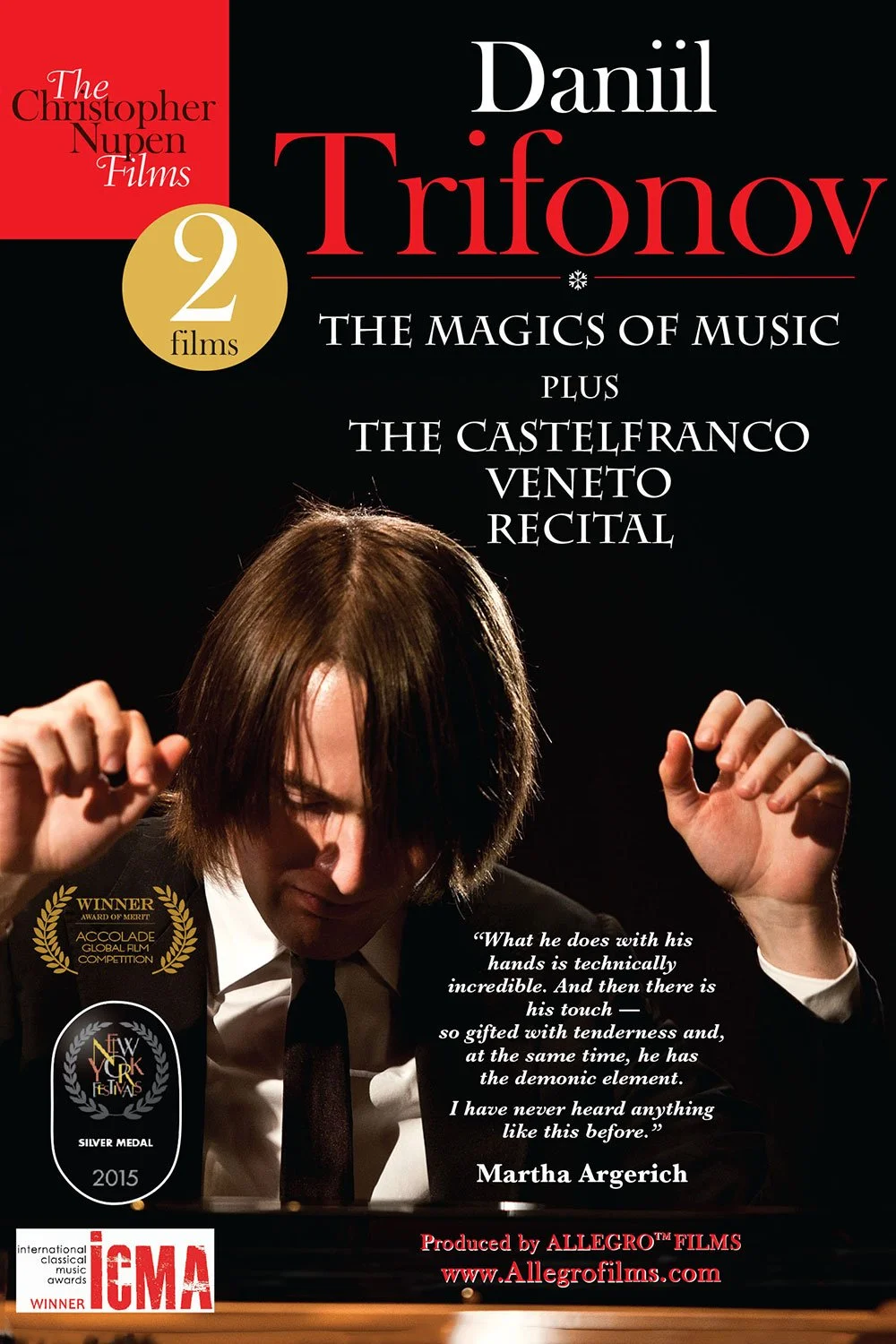
This DVD contains both a portrait film and an associated performance film offering an intimate view of the artist and his hardly-believable gifts. In conversation, he talks revealingly about his musical concerns but his modesty prevents him from saying anything at all about his extraordinary technique, "I am just playing the piano", he says. "There are people doing even more crazy things".
Danill Trifonov started to play the piano at the age of five, not because he wanted to play the piano but because he wanted to compose. That was unusual enough but it was only the beginning of a musical quest which led to his winning both the Tchaikovsky and Rubinstein competitions at the age of 20. The films contain a number of performances shot live on stage with cameras unusually close to the artist which adds considerably to the power of the images.
In the portrait film Trifonov plays music by Chopin, Ravel and Trifonov himself: part of his first piano Concerto, filmed at the world premiere performance which took place at the Cleveland Institute, in the United States, in April 2014.
In the performance film he plays music by Chopin, Scriabin, Johann Strauss (arranged Trifonov) and Rachmaninov - a performance of the rarely heard Variations on a Theme of Chopin, in the elegant Teatro Academico in Castelfranco Veneto, near Venice in Italy.