Info:
Duration: 39’ 52”
Narrated by Christopher Nupen
Year of production: 1979
Award:
BAFTA International Award - 1979 (Outright Winner)
The International Emmy Award - 1979 (Performing Arts category)
The RAI Prize at the Prix Italia - 1980
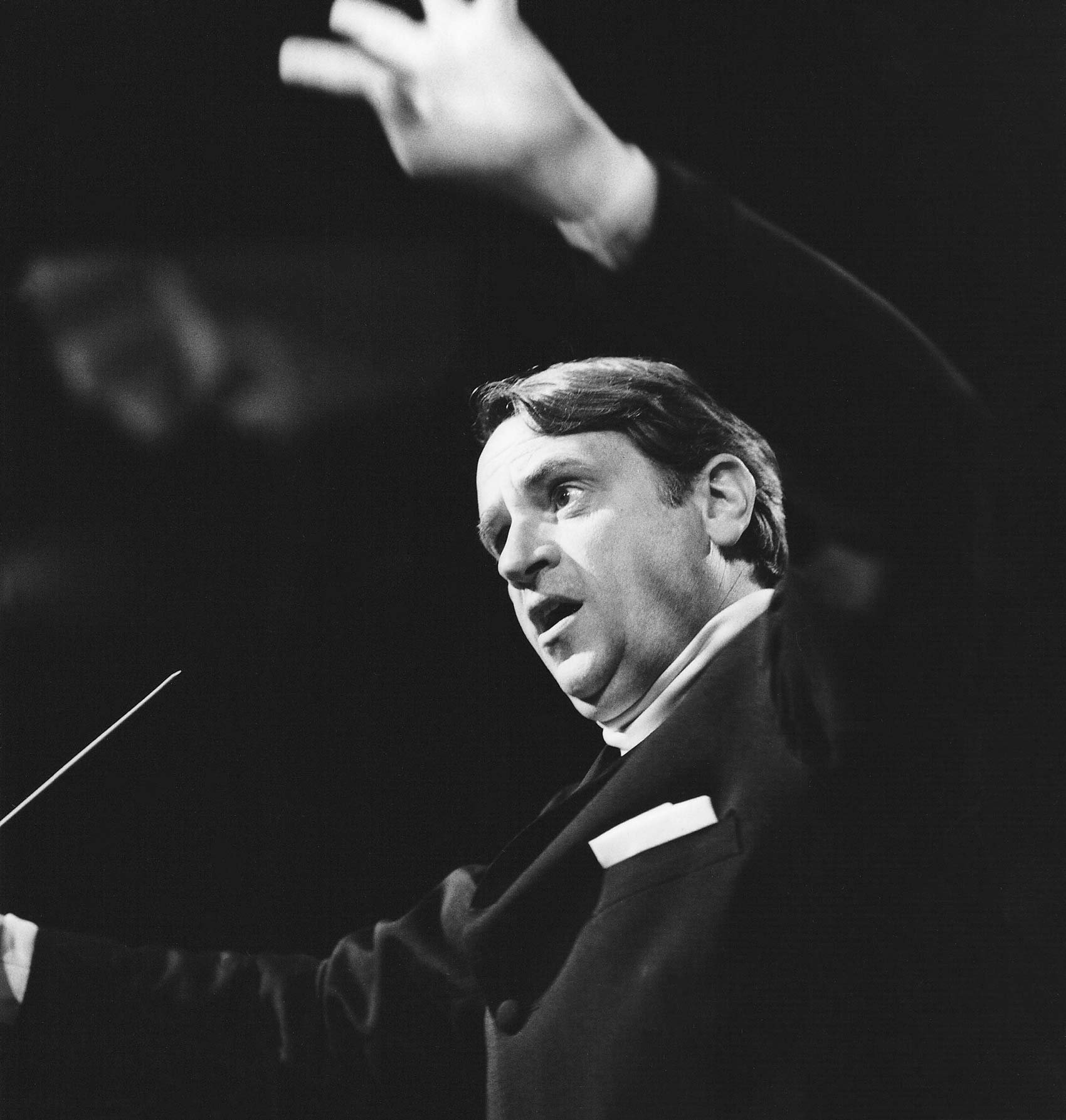
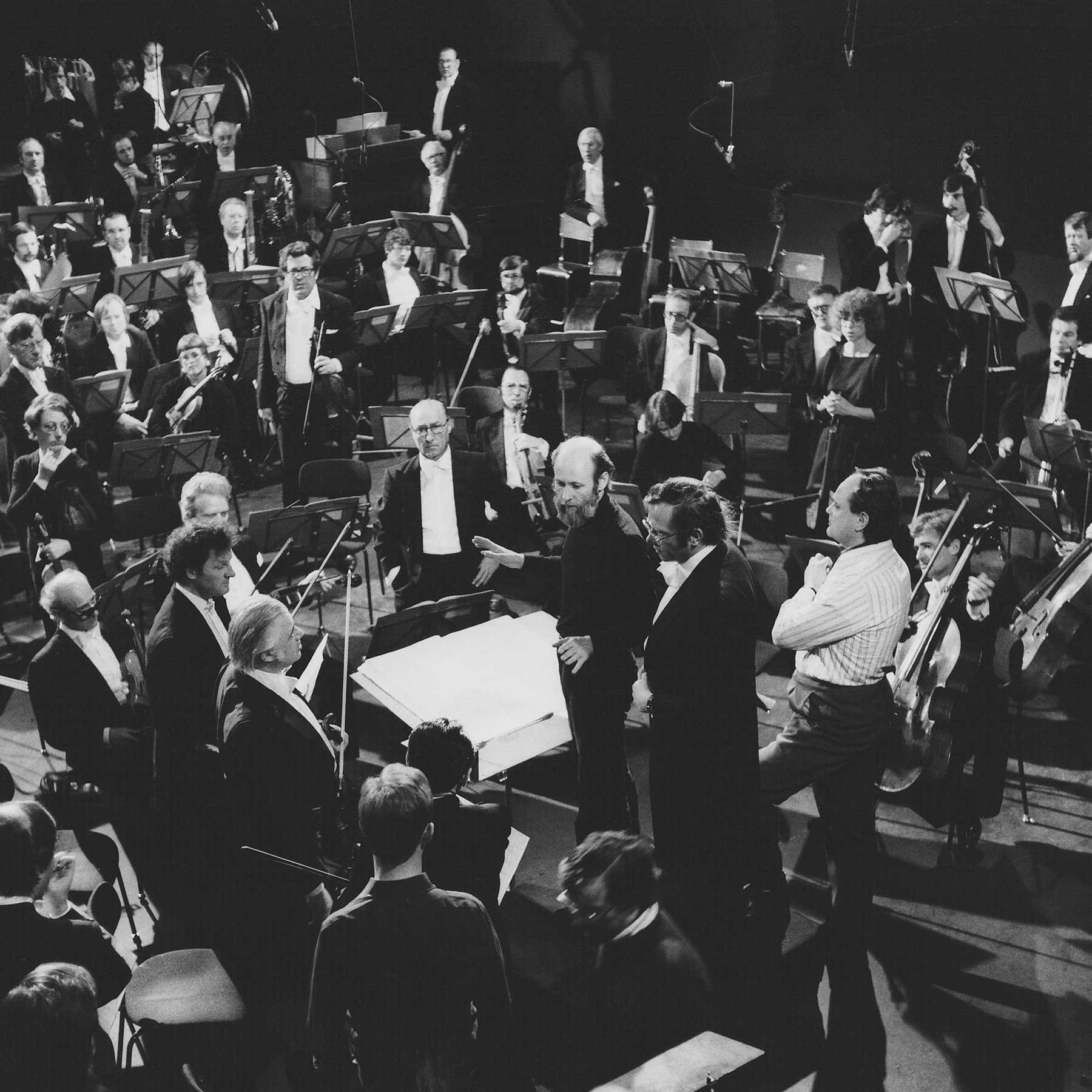
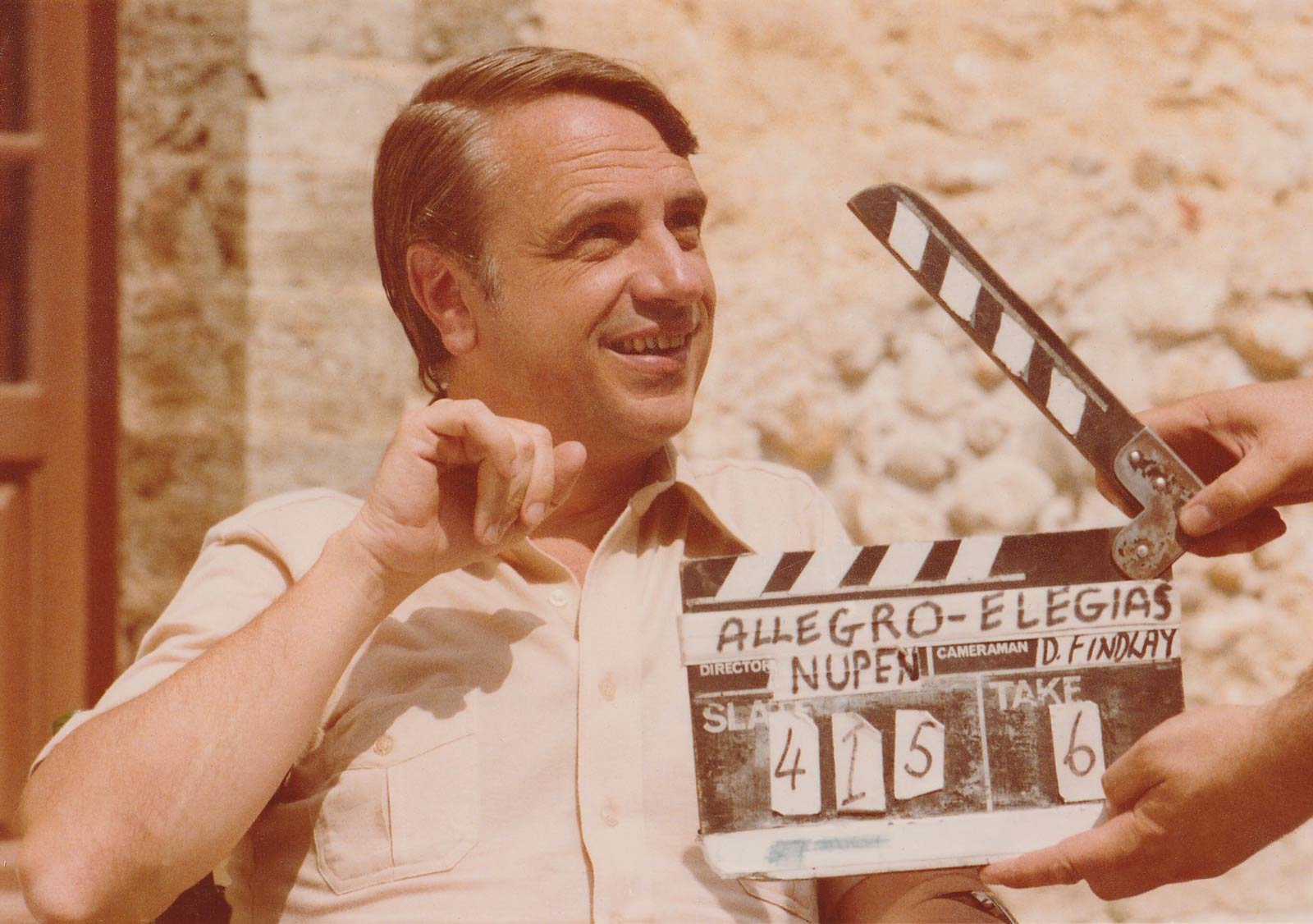
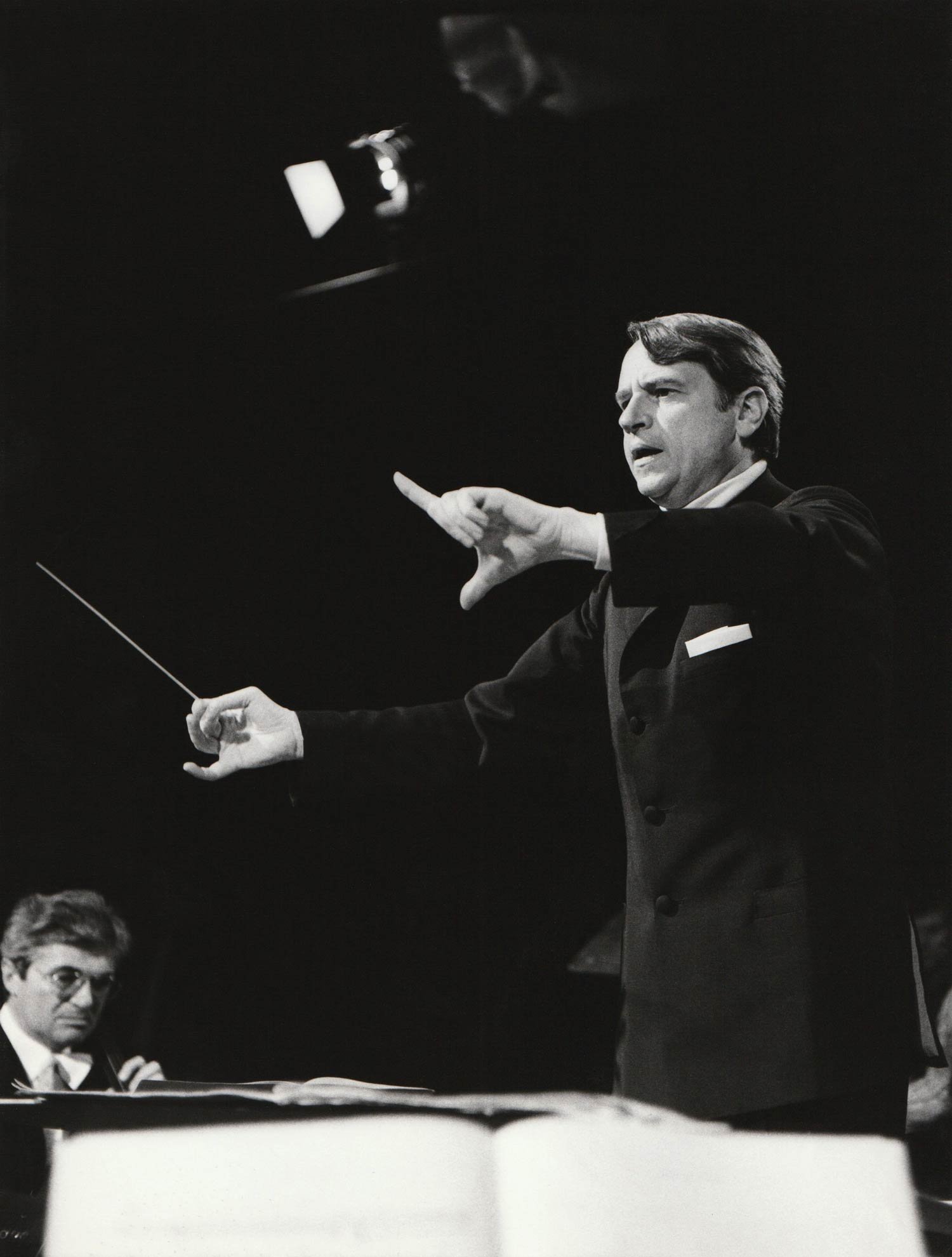
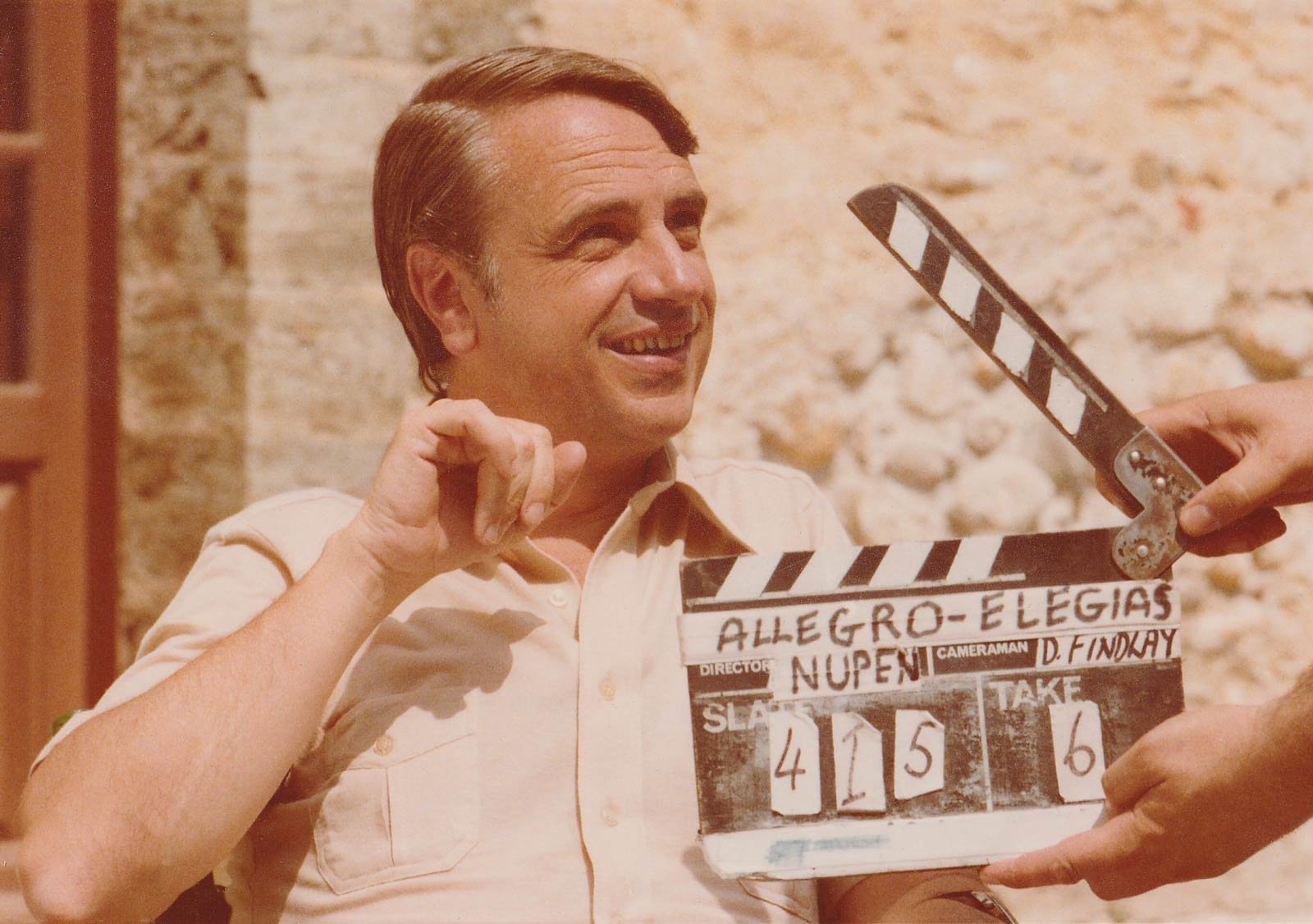
A television film directed by Christopher Nupen, based on Cristobal Halffter's three orchestral pieces "Elegias a la Muerte de Tres Poetas Españoles" composed in 1975.
Cristobal Halffter is recognised as Spain's leading contemporary composer. In 1968 he was commissioned by the United Nations to write a large orchestral work in celebration of the twentieth anniversary of the Declaration of Human Rights. He wrote his cantata "Yes. Speak out, yes", which has turned out to be a seminal work for him and has influenced the style and content of much of what he has written since then.
His three orchestral pieces "Elegias a la Muerte de Tres Poetas Españoles" were commissioned by Sudwestfunk, Baden-Baden in 1975. They are written in homage to three great Spanish poets who died as a result of the Spanish Civil War; Antonio Machado, Miguel Hernandez and Federico García Lorca. They are also written as a protest against political violence and as a plea for an end to the tragedies of war.
The Elegies are written for full symphony orchestra with five additional percussion groups. In this film they are performed complete by the Radio Symphony Orchestra of Berlin conducted by Cristobal Halffter himself. Each Elegy is preceded by a filmed introduction describing the circumstances which inspired the composition, the lives of each of the three poets and the tragedies of their deaths.
-
From BAFTA jury member, Mark Zakharov at the awards presentation:
The idea of uniting several images into one shot, the idea of synthesizing music, words and movement, the brave use of electronic effects - all that is of great interest to all people working in television today. We have seen quite a few attempts at achieving such a synthesis: some of them were very interesting.
However, in ELEGIES FOR THE DEATHS OF THREE SPANISH POETS I saw something new, which excited me and forced me to think about things I had stopped thinking about. For me, this musical film became a discovery in the field of truth: a political film without politics: a happy story about the suffering of man.
To make such a film one must get closer to a higher intelligence, to look up and not down and to think about God. For me this film asks the earth, on which we live, to forgive us for the wounds which we inflict on it.
Spain is not unique in our common history. The earth of Russia, Germany, Japan, China, England, France and other countries, which has suffered so much, remembers the catastrophies of our recent history; and if we listen carefully to the silence of this earth, it will remind us of our common guilt.
The film is almost without words. There is only mourning and reflection about the fate of people who lived before me on this earth and who, by their suffering, atoned for my steps on this planet, which has suffered so much: which is so small and so full of wonder.
Produced by: Allegro Films, London, in association with Clasart, Munich

Our Films on DVD

The two very different films on this DVD celebrate, in different ways, the extraordinary quest of Andrés Segovia. He was an Andalusian, par excellence, who, in his childhood, fell in love with the beauties of the Alhambra and the melancholy voices of the Spanish guitar and, within the space of 20 years, had taught himself the instrument, revolutionised the technique and elevated the guitar to the highest levels of the international concert platform - an achievement unique in the history of Western music.
The titles of the films are, Segovia at Los Olivos, which we shot in his new home on the Costa del Sol in Andalucia when the Grand Master was 75 and, Andrés Segovia: The Song of the Guitar which we shot in Granada and the glorious Palaces of the Alhambra, when he was 84.
Near the end of his life Segovia said that the first of them was the best thing that he ever did for television. The second won the Prix du Public at the Besançon Festival in 1977.
Music by Bach, Granados, Torroba, Llobet, Tarrega, Castelnuovo-Tedesco, Scarlatti, Ponce, Rameau, Sor, Aguado, Chopin and Albeniz.

Evgeny Igorevich Kissin was born in Moscow on the 10th of October 1971.
He started to play the piano at the age of two, as soon as he was tall enough to reach the keyboard and he has not looked back from that day to this. His is a very rare story of continued success that has had the simultaneous blessing of critics, the public and musicians alike.
The Gift of Music is a film which shows Kissin in preparation, interview, rehearsal and performance, with several dazzling performances shot live on stage, in true concert conditions. It also contains all the encores from Kissin's memorable Promenade concert at the Royal Albert Hall, London, in August 1997.
This was the first Prom in the 103-year history of the celebrated Promenade Concerts to be given by a solo recitalist and it attracted the biggest audience in all of those 103 years; very nearly six thousand people.
The music is by Liszt, Gluck, Haydn, Beethoven, Schubert, Paganini, Kissin himself and Chopin, the composer for whom Kissin feels the closest affinity.
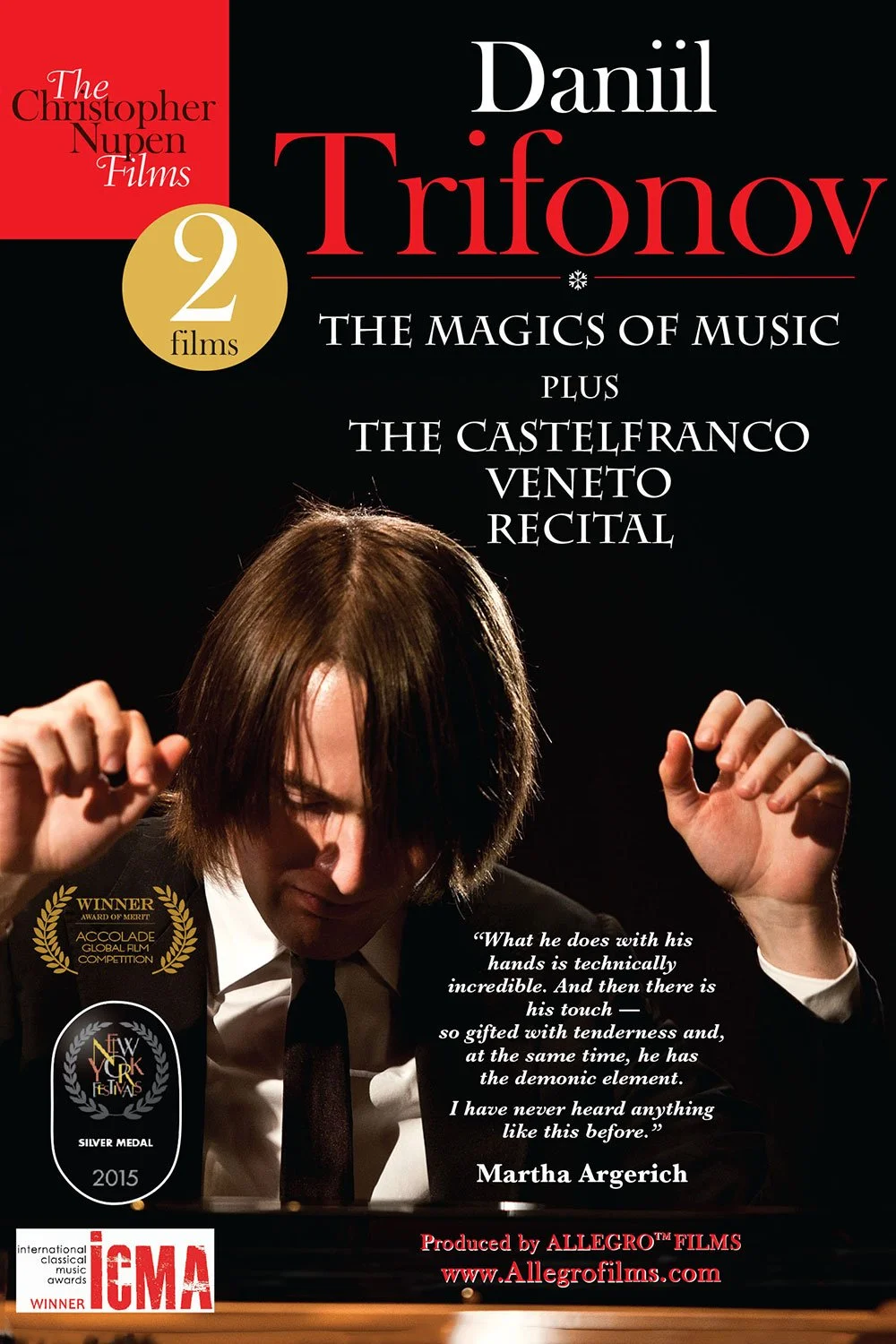
This DVD contains both a portrait film and an associated performance film offering an intimate view of the artist and his hardly-believable gifts. In conversation, he talks revealingly about his musical concerns but his modesty prevents him from saying anything at all about his extraordinary technique, "I am just playing the piano", he says. "There are people doing even more crazy things".
Danill Trifonov started to play the piano at the age of five, not because he wanted to play the piano but because he wanted to compose. That was unusual enough but it was only the beginning of a musical quest which led to his winning both the Tchaikovsky and Rubinstein competitions at the age of 20. The films contain a number of performances shot live on stage with cameras unusually close to the artist which adds considerably to the power of the images.
In the portrait film Trifonov plays music by Chopin, Ravel and Trifonov himself: part of his first piano Concerto, filmed at the world premiere performance which took place at the Cleveland Institute, in the United States, in April 2014.
In the performance film he plays music by Chopin, Scriabin, Johann Strauss (arranged Trifonov) and Rachmaninov - a performance of the rarely heard Variations on a Theme of Chopin, in the elegant Teatro Academico in Castelfranco Veneto, near Venice in Italy.