Info
Duration: 85’ 35”
Narrated by Yo-Yo Ma
Year of production: 2024
Interviewees include:
Jacqueline du Pré
Daniel Barenboim
Itzhak Perlman
Pinchas Zukerman
Zubin Mehta
Sheku Kanneh-Mason
Sir and Lady Barbirolli
RuthAnn Cannings
Katharine, Duchess of Kent
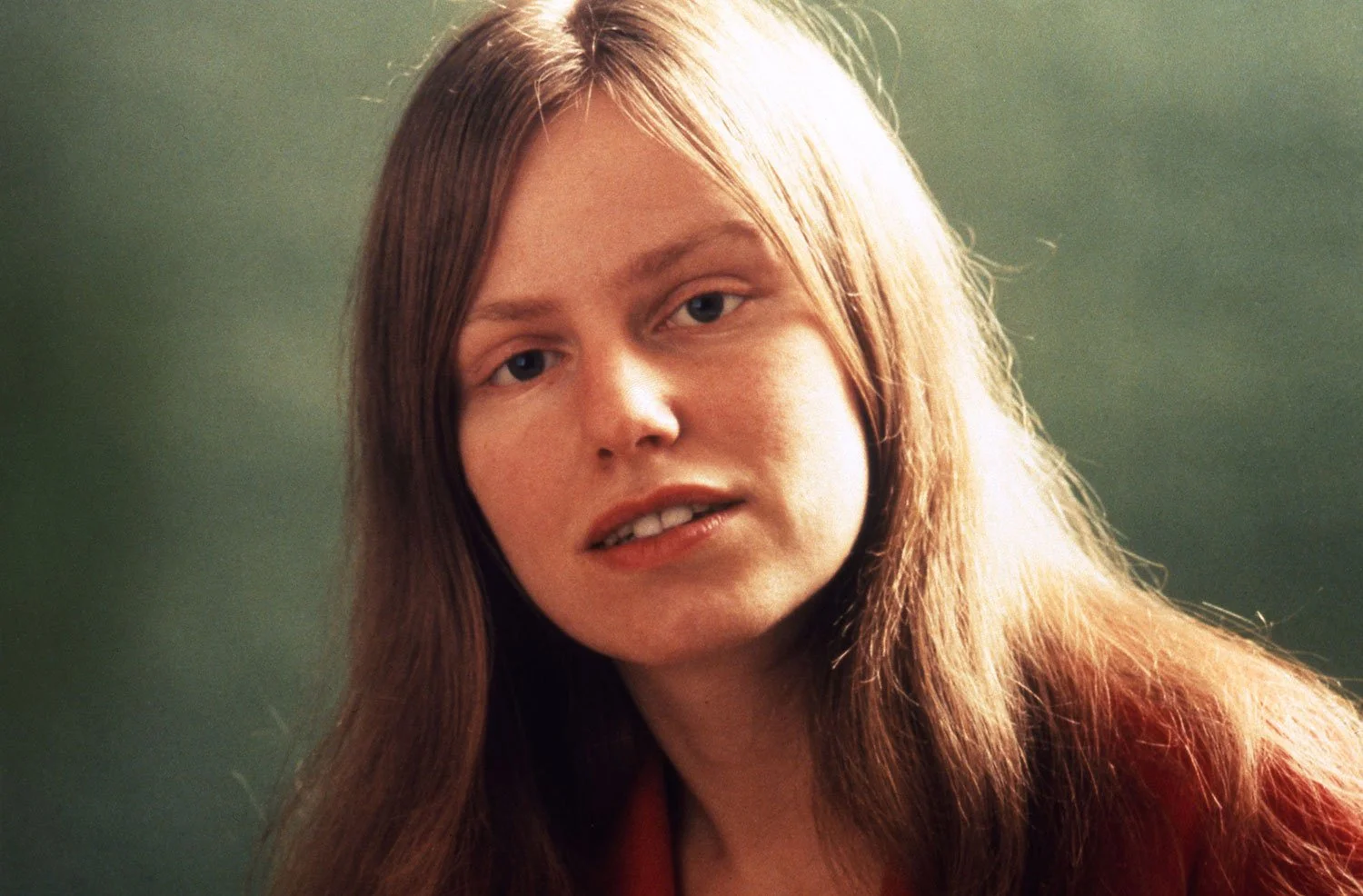
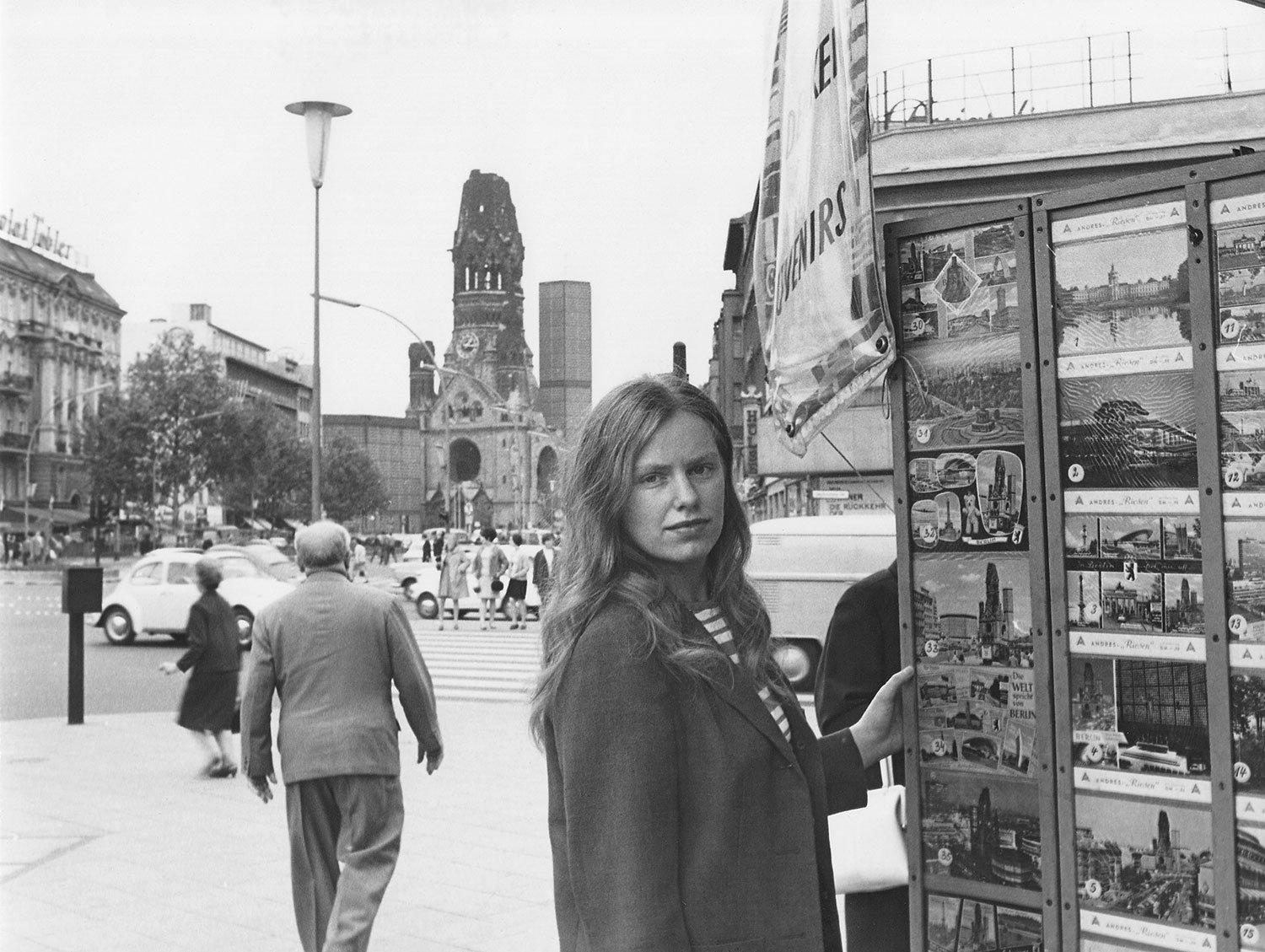
Those who know, consider Jacqueline du Pré one of the greatest cellists of all time – certainly in the top three - despite a career that was cruelly curtailed by multiple sclerosis when she was just twenty-eight years old. The force of nature took away her prodigious gift and her love of performing and she endured fourteen years of unremitting illness. However, during her short time on the international concert platform - about a decade - she had the musical world at her feet, with an expressive style that cast a spell on anyone who saw her perform.
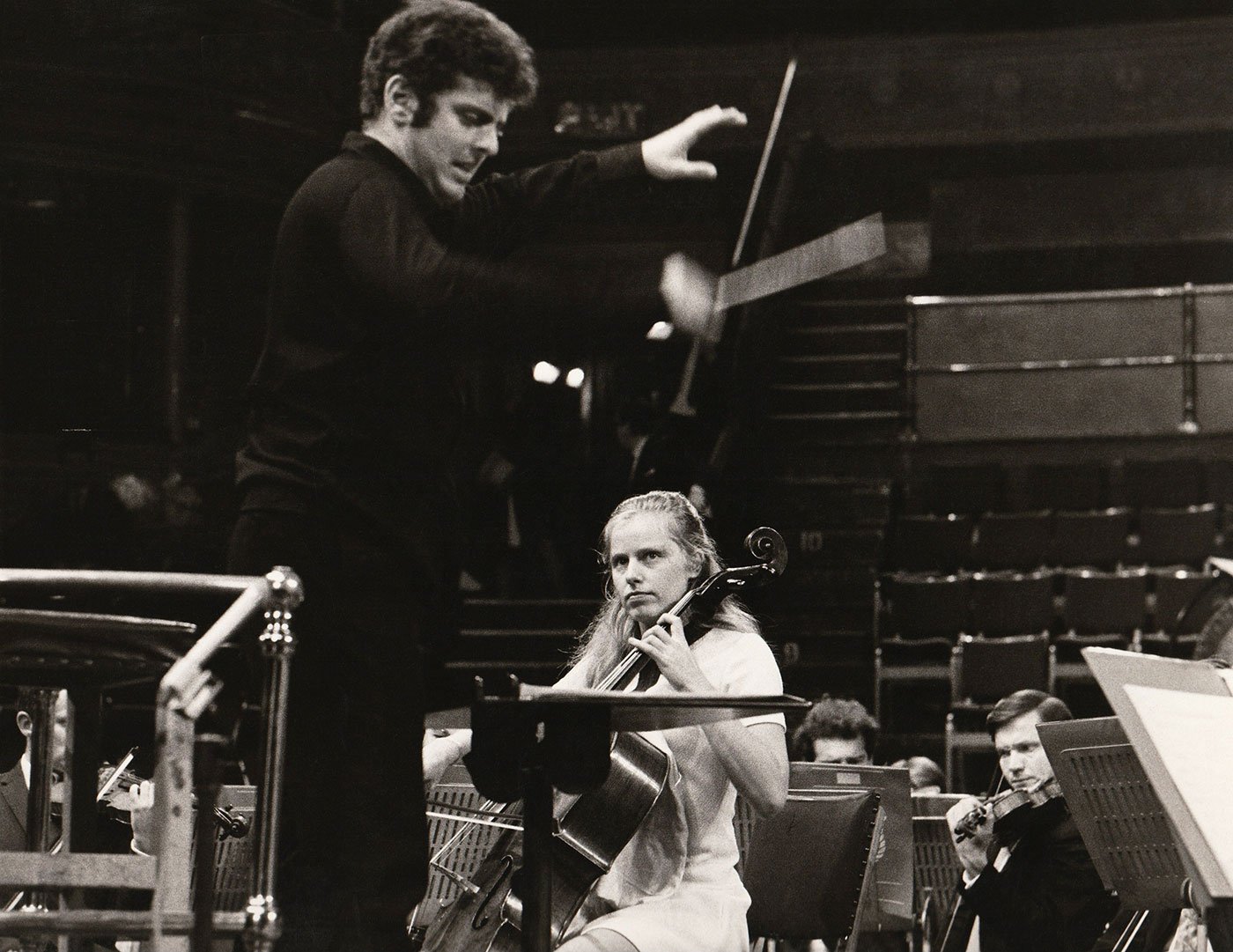
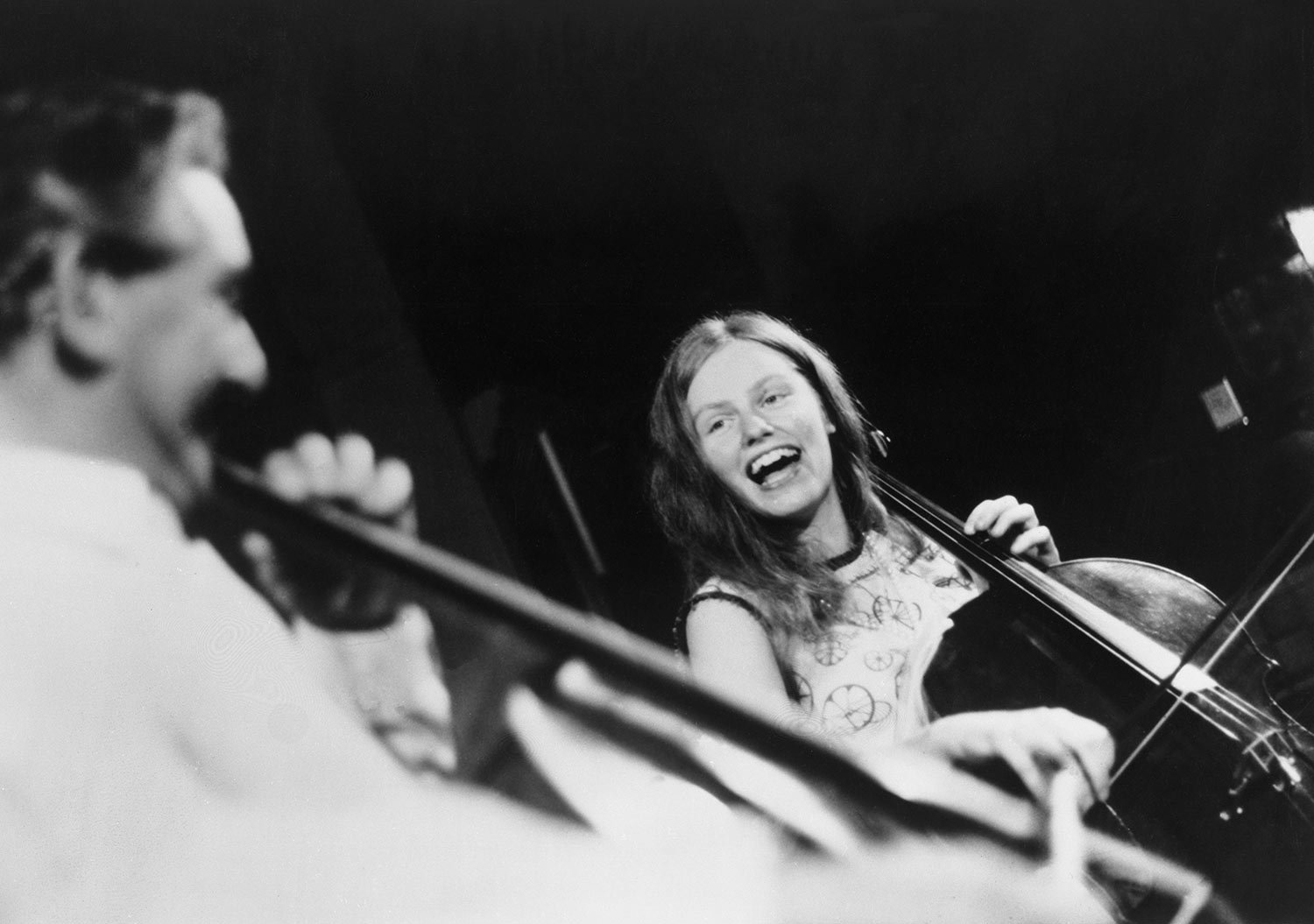
Had she still been alive, du Pré would have celebrated her 80th birthday in January 2025. Our film, Jacqueline du Pré: Genius and Tragedy, digs into the original film archives to tell the definitive story of who she was and why she was such an extraordinary musician. It is full of candid moments off-stage and in rehearsal, together with powerful concert performances. It is Introduced and narrated by Grammy-winning cellist Yo-Yo Ma, who acquired du Pré’s famous cello, the Davidov Stradivarius, made in 1712. He says, “Whenever I play it, I feel the privilege of being tangibly and tactilely connected to her, to her cello sound and to her soul”.
-
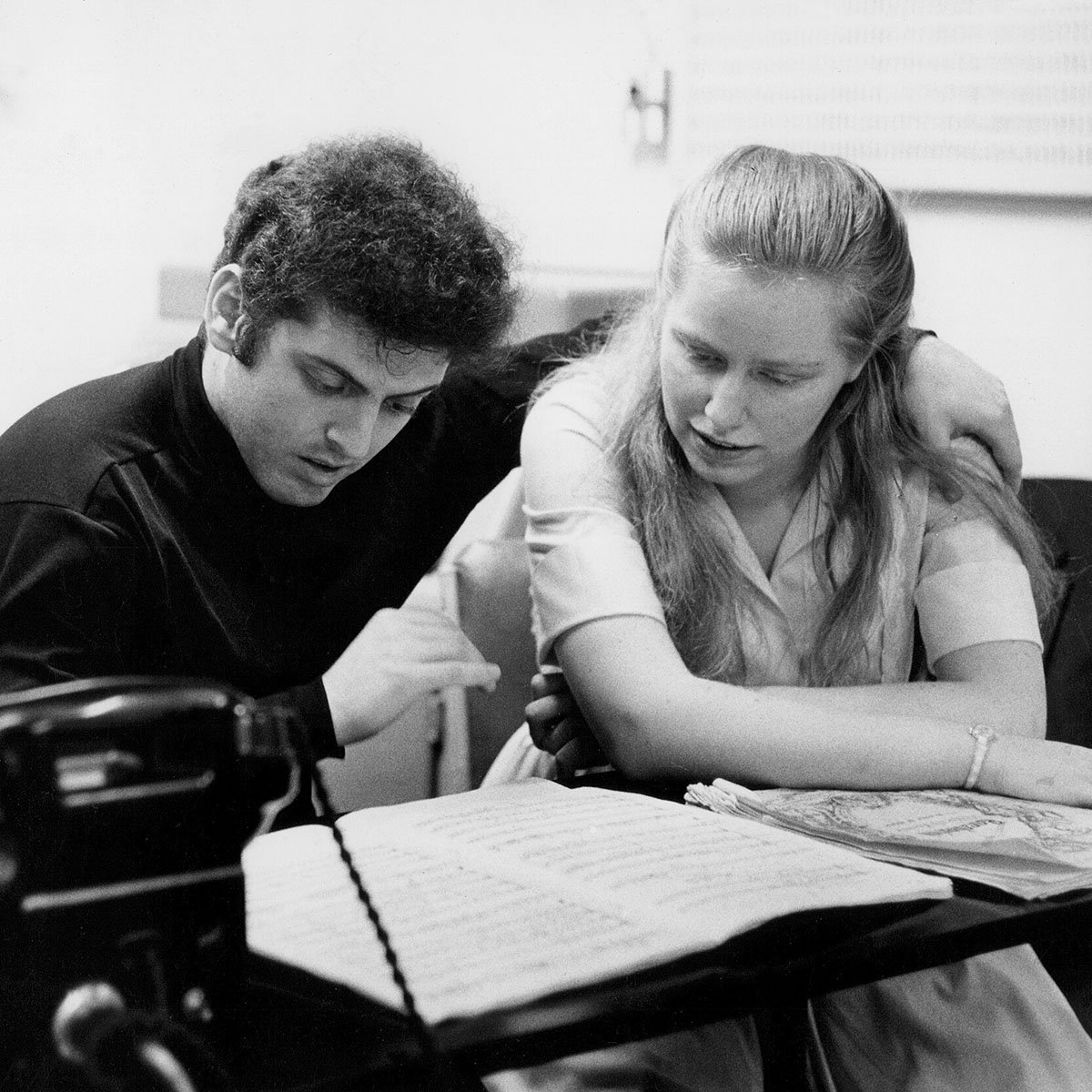
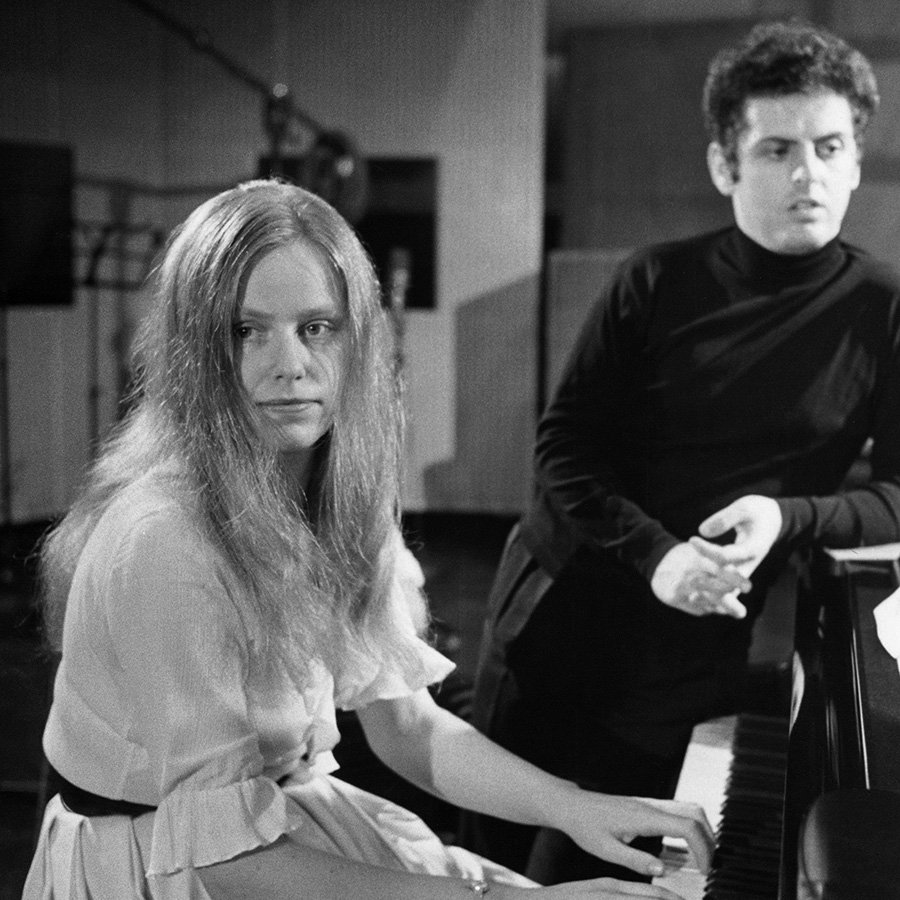
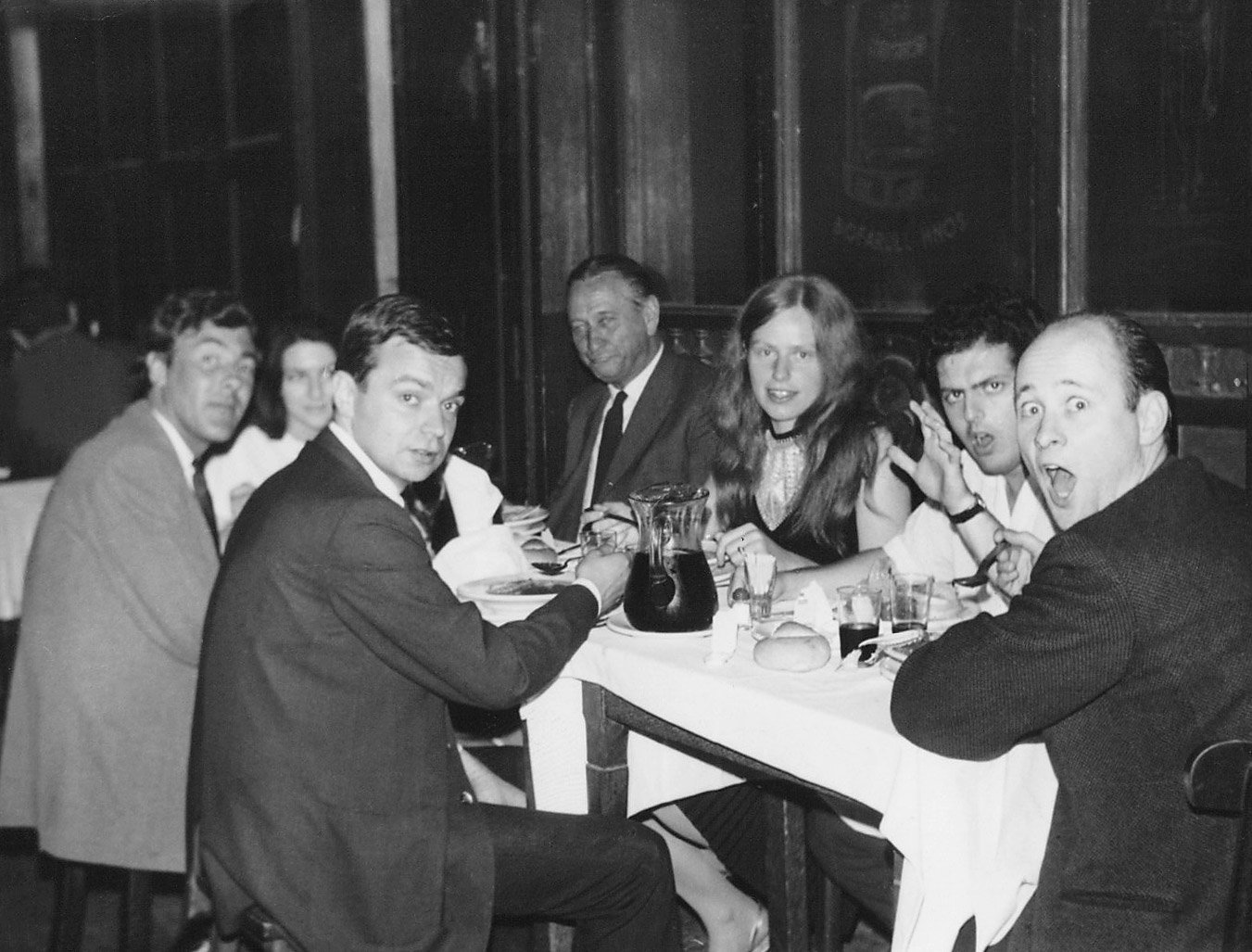
In swinging 1960s London, the Beatles were topping the pop charts, but Jacqueline du Pré was the poster child for a new golden generation of artists and friends, who injected a youthful excitement into an industry steeped in tradition – a classical ‘rat pack’ that included Pinchas Zukerman, Itzhak Perlman, Zubin Mehta and her husband, Daniel Barenboim. As a glamorous and musically-charged couple, Barenboim and du Pré were like a modern version of Clara and Robert Schumann: together, they devoured the cello and piano repertoire and the recordings they made continue to delight audiences across the globe.
Du Pré was a blithe spirit, known to her friends as ‘Smiley’ but, on stage with her cello, she possessed an intensity that communicated the most profound feelings rooted in the depths of great music. Our interviews provide an incomparable insight from those who knew du Pré best, including RuthAnn Cannings, who cared for her throughout her illness. Described as, “beyond words”, du Pré’s innate abilities confounded even her fellow musicians, who struggled to rationalise how music flowed so naturally from her. She studied under the greats – Casals, Tortelier, and Rostropovich – but it is sequences with her teacher William Pleeth, her “cello daddy”, that provide some of our most intimate and engaging footage. The affection for Jacqueline du Pré and the wonder at her playing remains undiminished, nearly forty years after her death in 1987.


Our Films on DVD

This DVD contains a re-release of two of our most cherished Jacqueline du Pré films. The first is a portrait film which was epoch-making when it premiered; the second is a performance film which was described by the French opera and film director Jean-Pierre Ponelle as the most successful translation of musical performance onto the screen that he had ever seen. Both were pioneering films, made possible by the newly invented lightweight, silent 16mm film cameras.
We were lucky to be there in the right place, at the right time, and with the right relationship with Jacqueline du Pré to preserve something of her magic on film. There is an aura which radiates from the great performers and when it comes to remembering the artistic persona, the camera sees things which the other media do not see and it remembers them with an intimacy which nothing else can equal.
The titles of the two films are Jacqueline du Pré and the Elgar cello Concerto, which contains a complete filmed performance of the work with the new Philharmonia Orchestra, conducted by Daniel Barenboim and The Ghost, which is a filmed performance of Beethoven's piano Trio Opus 70 No. 1 played by Daniel Barenboim, Pinchas Zukerman and Jacqueline du Pré.

There cannot be too many films made of our great performers, provided they are produced with an honest intention and true to the subject. Why? Because film remembers the artistic persona as nothing else can do in quite the same way. This is particularly true in the case of Jacqueline du Pré where so many myths have been invented to explain the unexplainable.
Happily, DVD does not need to explain, it can show the artist just as she was and in a way that was never possible before the invention of the first silent 16mm cameras in the 1960s - just in time for her. First, we present Jacqueline du Pré as seen through the eyes, the ears and the words of the people who knew her best - Who was Jacqueline du Pré? - and second, to present her through her music - Remembering Jacqueline du Pré.
Between those two films the DVD contains a montage of images of Jacqueline du Pré and Daniel Barenboim in action, taken from our archives and accompanied by an audio recording, made by us, of the first movement of the Brahms E minor cello sonata (Interlude with Johannes Brahms) and an interview with Jacqueline du Pré, shot in 1980, which has never been previously released on television, nor on home video.

This DVD contains two of the most famous Schubert films — each entirely different from the other in style, content and spirit.
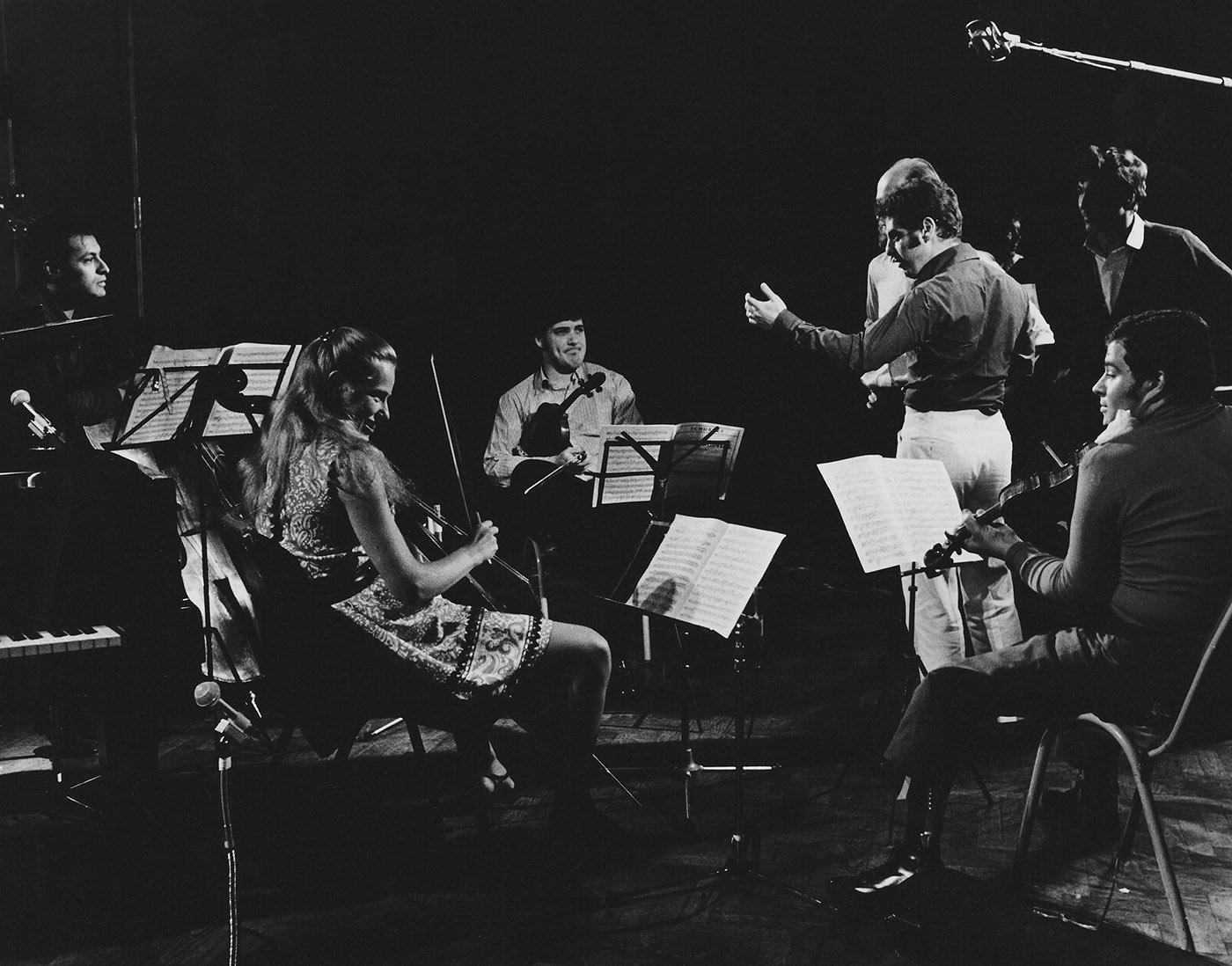
The first, The Trout, presents a youthful explosion of exuberant talent; starting with Schubert himself — who wrote his Trout Quintet when he was 22 years old. His lead is picked up and brought to life by five extravagantly gifted young musicians when they were barely older than Schubert had been when he wrote the piece. Their names: Daniel Barenboim, Itzhak Perlman, Pinchas Zukerman, Jacqueline du Pré and Zubin Mehta.
The film was shot in a single week in August of 1969 and culminates with a performance of Schubert's Trout Quintet, filmed live on-stage at the new Queen Elizabeth Hall, on the south bank of the Thames, in London.
The second film, The Greatest Love and the Greatest Sorrow, looks at Schubert's astonishing achievements in the last 20 months of his life - after the death of his god, Beethoven. He asked the question, "Who would dare to do anything after Beethoven”? The answer, of course, was Franz Peter Schubert, in the music which he wrote after Beethoven's death.