Info:
Duration: 70’ 28”
Narrated by Christopher Nupen
Year of production: 1982
Contributors include:
Jacqueline du Pré
New Philharmonia Orchestra
Daniel Barenboim
Iris du Pré & Derek du Pré
Sir John Barbirolli
Charles Beare
William Pleeth
Jacqueline du Pré had a very unusual and elevated relationship with the Elgar cello Concerto. For critics and public alike, her performances focused new attention on the inherent pathos in Elgar's melancholy masterpiece and had a ringing authority that has never been matched by anyone else.
She played it first at the Royal Festival Hall in London on 21 March 1962 when she was just seventeen years old. On the following morning, Neville Cardus, one of England's most distinguished writers on music, described the work in The Guardian newspaper as, "A swan-song of rare and vanishing beauty", and he reviewed her performance of it in such strong and poetic terms as any seventeen year old has ever received from a senior critic. He concluded his review with these words:
"Those actually present were witness, on the first day of spring, to an early blossoming in Miss du Pré's playing, and such a beautiful blossoming as this year, or any other year, is likely to know for a long time to come.”
In the next few years, Jacqueline du Pré won an enthusiastic audience for this concerto, not only in the United Kingdom but in the rest of Europe, in the United States and in the Soviet Union.
-
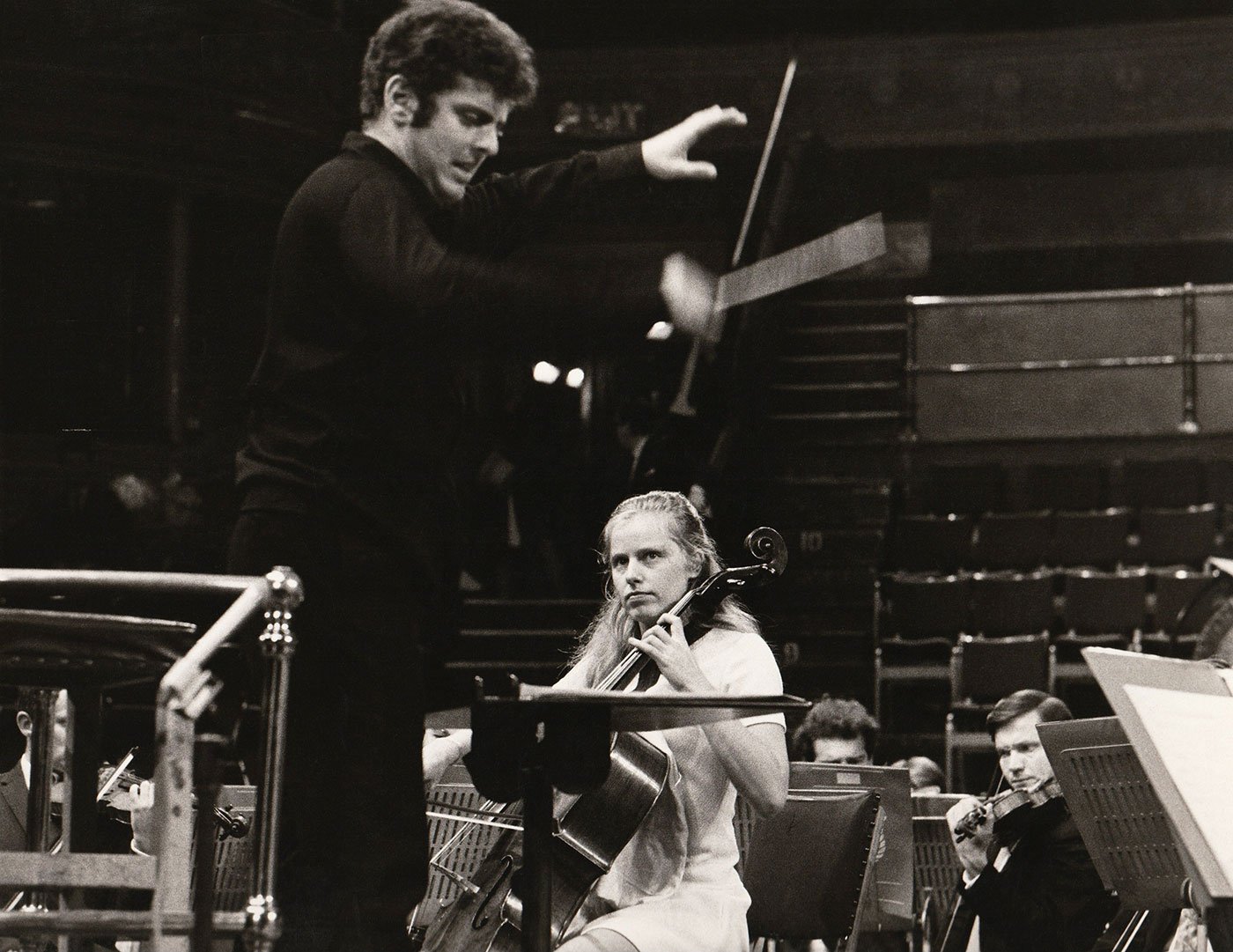
This film begins with an account of her activities after the onset of her illness. It ends, at Jacqueline du Pré's request, with the film which we made with her in 1967, a film which sketches her childhood and the development of her musical talent, her meeting with Daniel Barenboim and their marriage in 1967, her relationship with the Elgar Concerto and, finally, a complete performance of the work with the New Philharmonia Orchestra conducted by Daniel Barenboim: a performance that is remarkable by any standards and, for many, quite unforgettable.
There are contributions by Daniel Barenboim, Sir John Barbirolli, Charles Beare, William Pleeth, Iris du Pré and Derek du Pré with music by Camille Saint-Saëns, Iris du Pré, William de Fesch, Enrique Granados, Max Bruch, Johannes Brahms and Edward Elgar.
The first nine minutes are in colour and the rest is in black and white, which seems actually to enhance the viewer's awareness of the historical character of the film.


Our Films on DVD

There cannot be too many films made of our great performers, provided they are produced with an honest intention and true to the subject. Why? Because film remembers the artistic persona as nothing else can do in quite the same way. This is particularly true in the case of Jacqueline du Pré where so many myths have been invented to explain the unexplainable.
Happily, DVD does not need to explain, it can show the artist just as she was and in a way that was never possible before the invention of the first silent 16mm cameras in the 1960s - just in time for her. First, we present Jacqueline du Pré as seen through the eyes, the ears and the words of the people who knew her best - Who was Jacqueline du Pré? - and second, to present her through her music - Remembering Jacqueline du Pré.
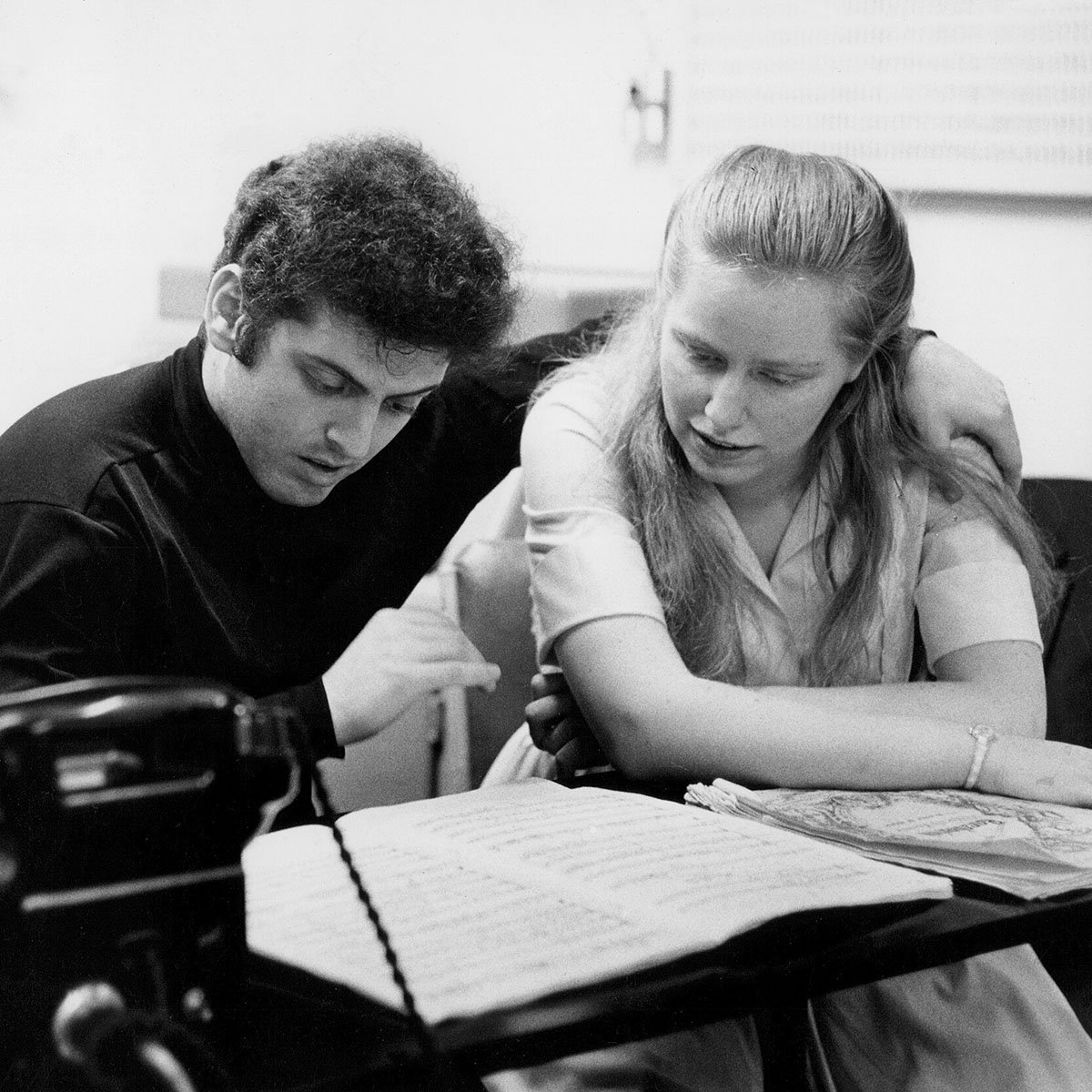
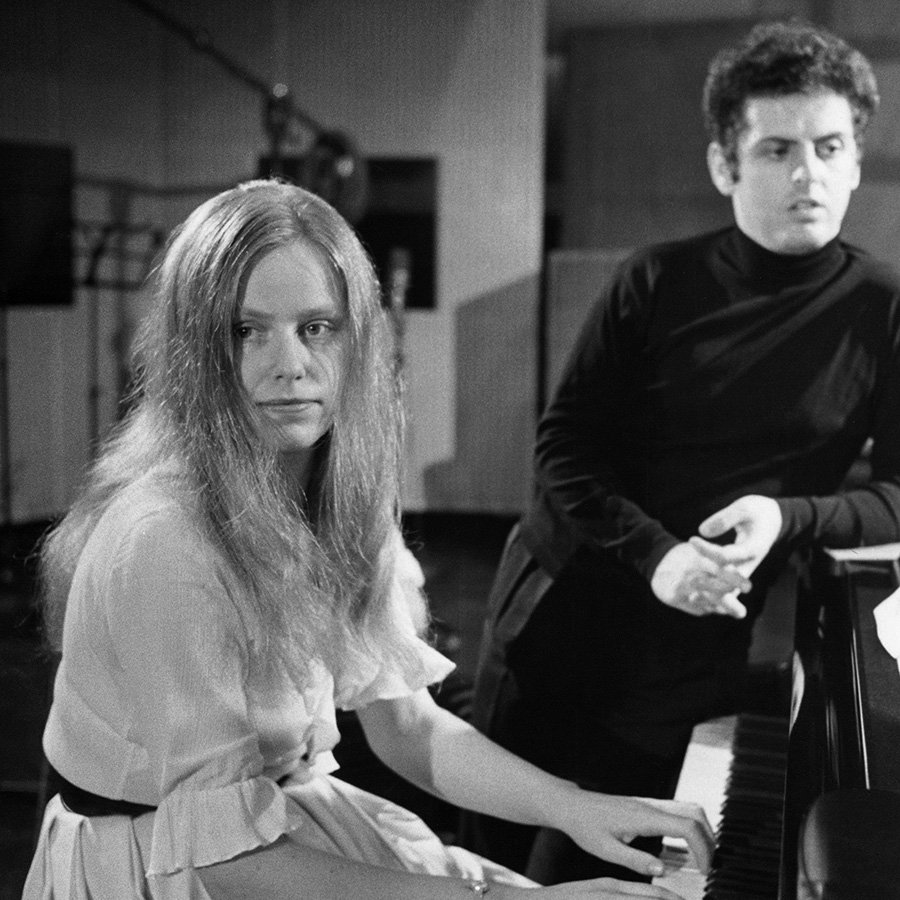
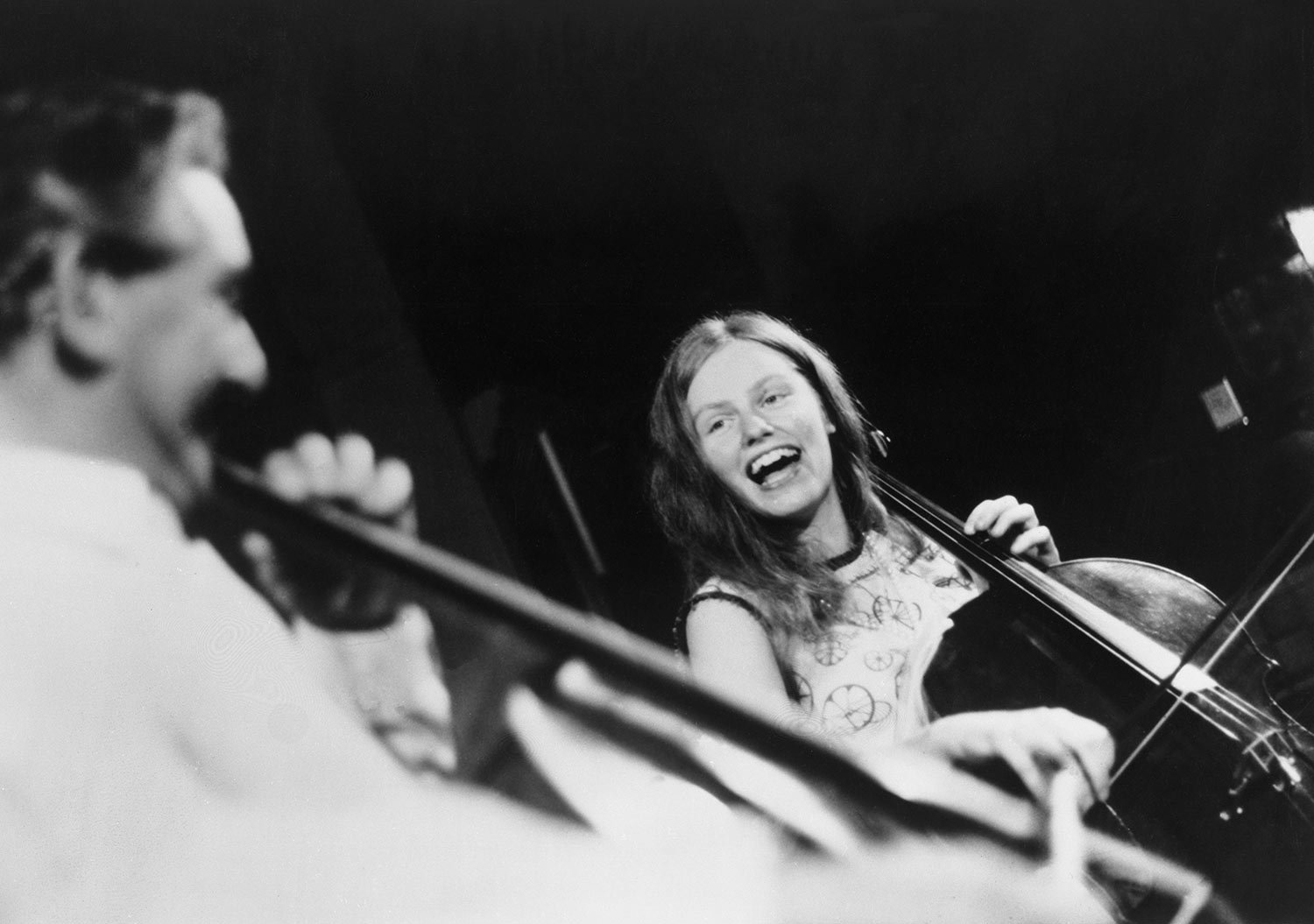
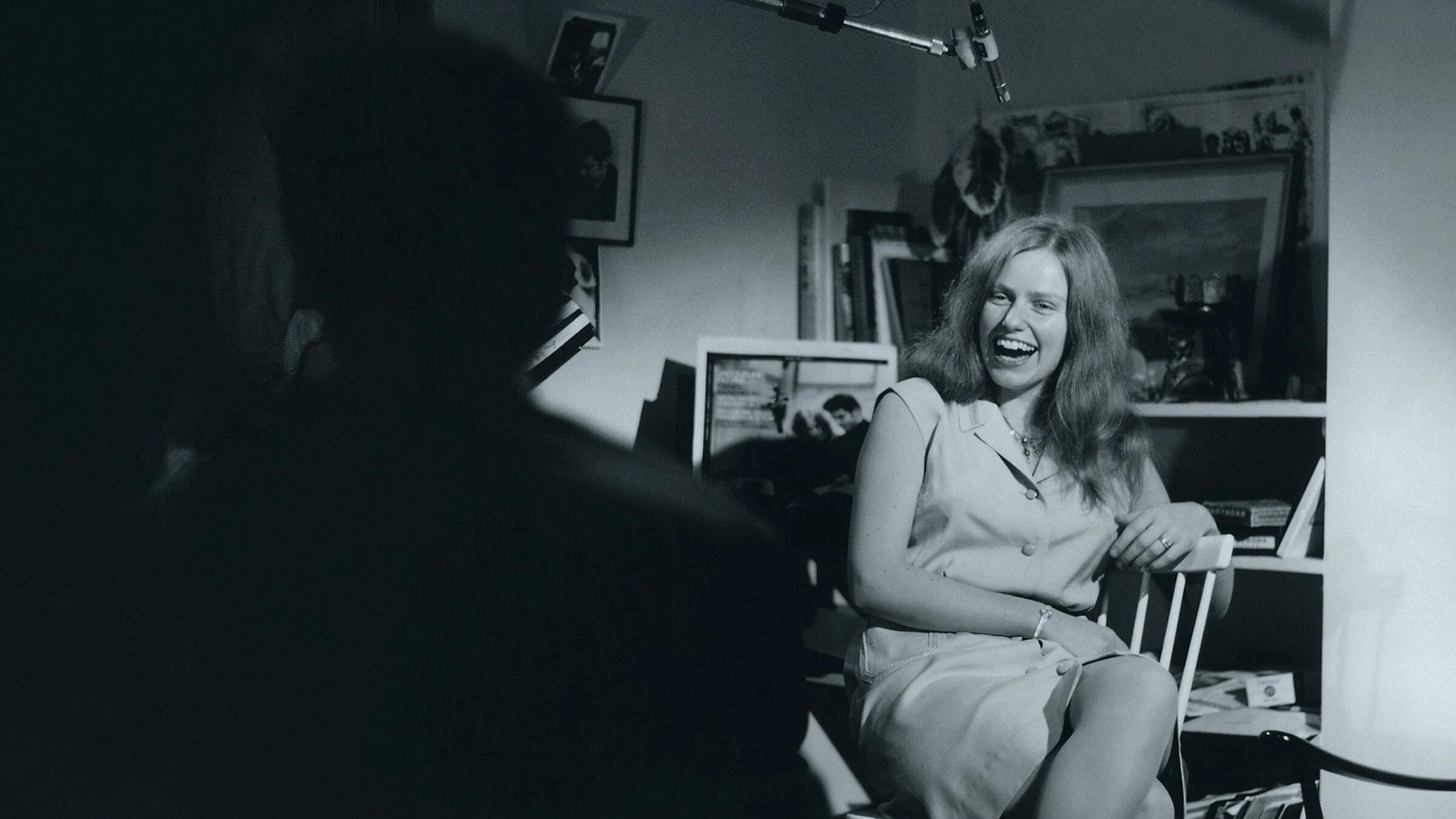
Between those two films the DVD contains a montage of images of Jacqueline du Pré and Daniel Barenboim in action, taken from our archives and accompanied by an audio recording, made by us, of the first movement of the Brahms E minor cello sonata (Interlude with Johannes Brahms) and an interview with Jacqueline du Pré, shot in 1980, which has never been previously released on television, nor on home video.

This DVD contains two of the most famous Schubert films — each entirely different from the other in style, content and spirit.
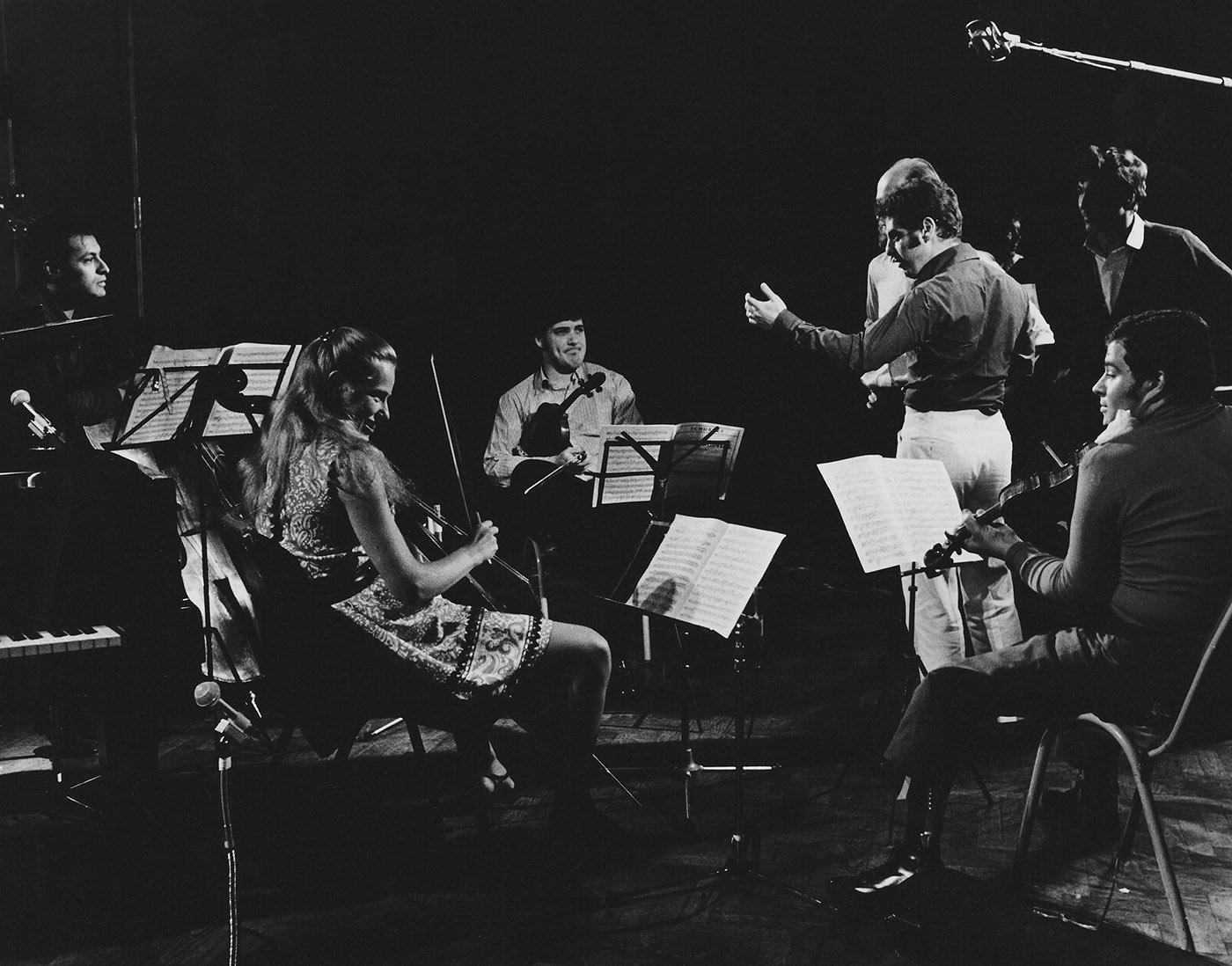
The first, The Trout, presents a youthful explosion of exuberant talent; starting with Schubert himself — who wrote his Trout Quintet when he was 22 years old. His lead is picked up and brought to life by five extravagantly gifted young musicians when they were barely older than Schubert had been when he wrote the piece. Their names: Daniel Barenboim, Itzhak Perlman, Pinchas Zukerman, Jacqueline du Pré and Zubin Mehta.
The film was shot in a single week in August of 1969 and culminates with a performance of Schubert's Trout Quintet, filmed live on-stage at the new Queen Elizabeth Hall, on the south bank of the Thames, in London.
The second film, The Greatest Love and the Greatest Sorrow, looks at Schubert's astonishing achievements in the last 20 months of his life - after the death of his god, Beethoven. He asked the question, "Who would dare to do anything after Beethoven”? The answer, of course, was Franz Peter Schubert, in the music which he wrote after Beethoven's death.

This DVD contains a re-release of two of our most cherished Jacqueline du Pré films. The first is a portrait film which was epoch-making when it premiered; the second is a performance film which was described by the French opera and film director Jean-Pierre Ponelle as the most successful translation of musical performance onto the screen that he had ever seen. Both were pioneering films, made possible by the newly invented lightweight, silent 16mm film cameras.
We were lucky to be there in the right place, at the right time, and with the right relationship with Jacqueline du Pré to preserve something of her magic on film. There is an aura which radiates from the great performers and when it comes to remembering the artistic persona, the camera sees things which the other media do not see and it remembers them with an intimacy which nothing else can equal.
The titles of the two films are Jacqueline du Pré and the Elgar cello Concerto, which contains a complete filmed performance of the work with the new Philharmonia Orchestra, conducted by Daniel Barenboim and The Ghost, which is a filmed performance of Beethoven's piano Trio Opus 70 No. 1 played by Daniel Barenboim, Pinchas Zukerman and Jacqueline du Pré.