Info:
Ashkenazy Plays Chopin - duration: 47’ 00”
Ashkenazy Plays Beethoven - duration: 52’ 00”
Year of production: 1972
-
In the event, the experiment proved an unqualified success and the soundtrack of Ashkenazy Plays Chopin was released by Decca Records on a commercial disc.
In each film there is a brief introduction followed by an interview with Ashkenazy about his thoughts on the pieces that he is about to perform. The first film continues with the two Nocturnes Opus 15 Nos 1 and 2 and the B minor Funeral March Sonata Opus 35. It ends with two encores, the Mazurka in A flat Opus 59 no 2 and the Grand Valse Brillante in E flat Opus 18.
In the second film, Ashkenazy plays Beethoven’s sonata No. 8 in C minor Opus 13 (The Pathétique) and Sonata No. 31 in A flat Opus 110.
These are historic documents of a great musician at a significant moment in his career.
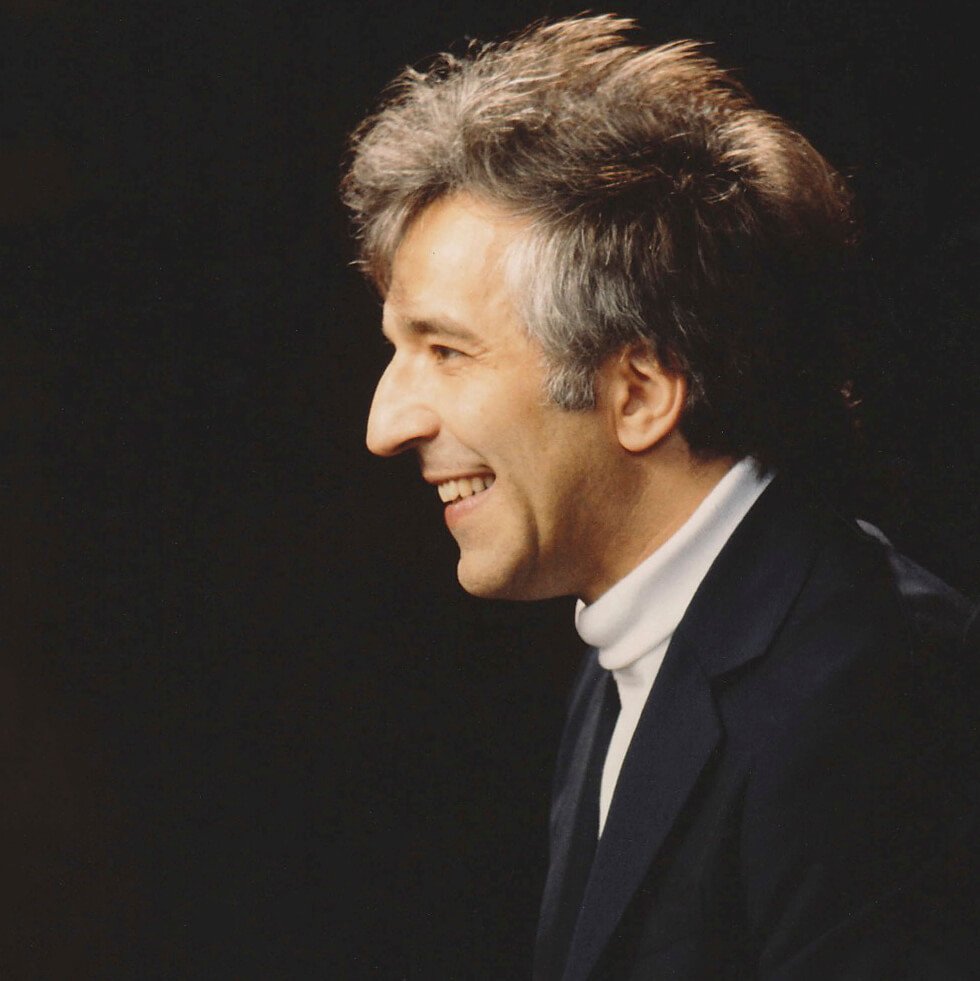
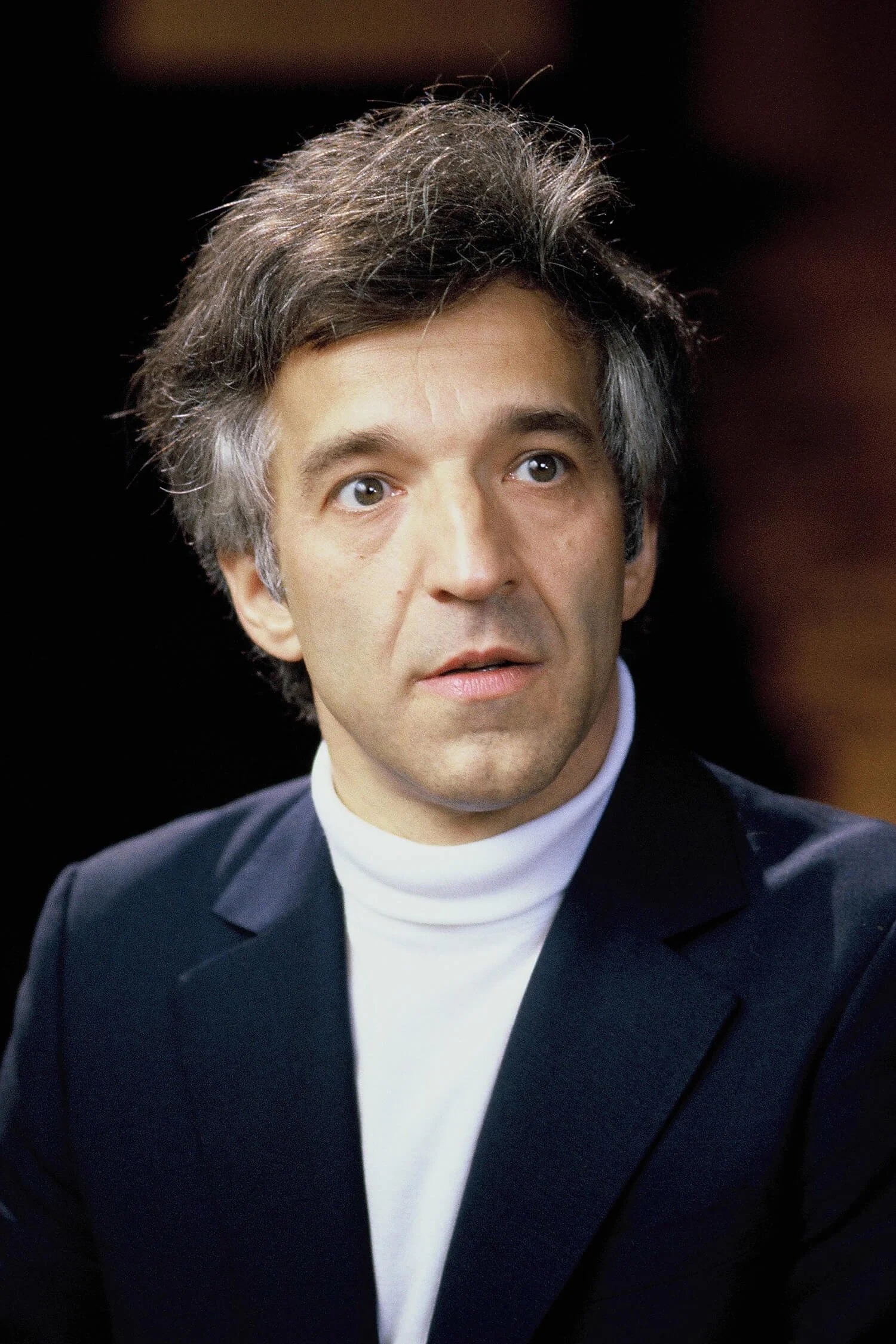
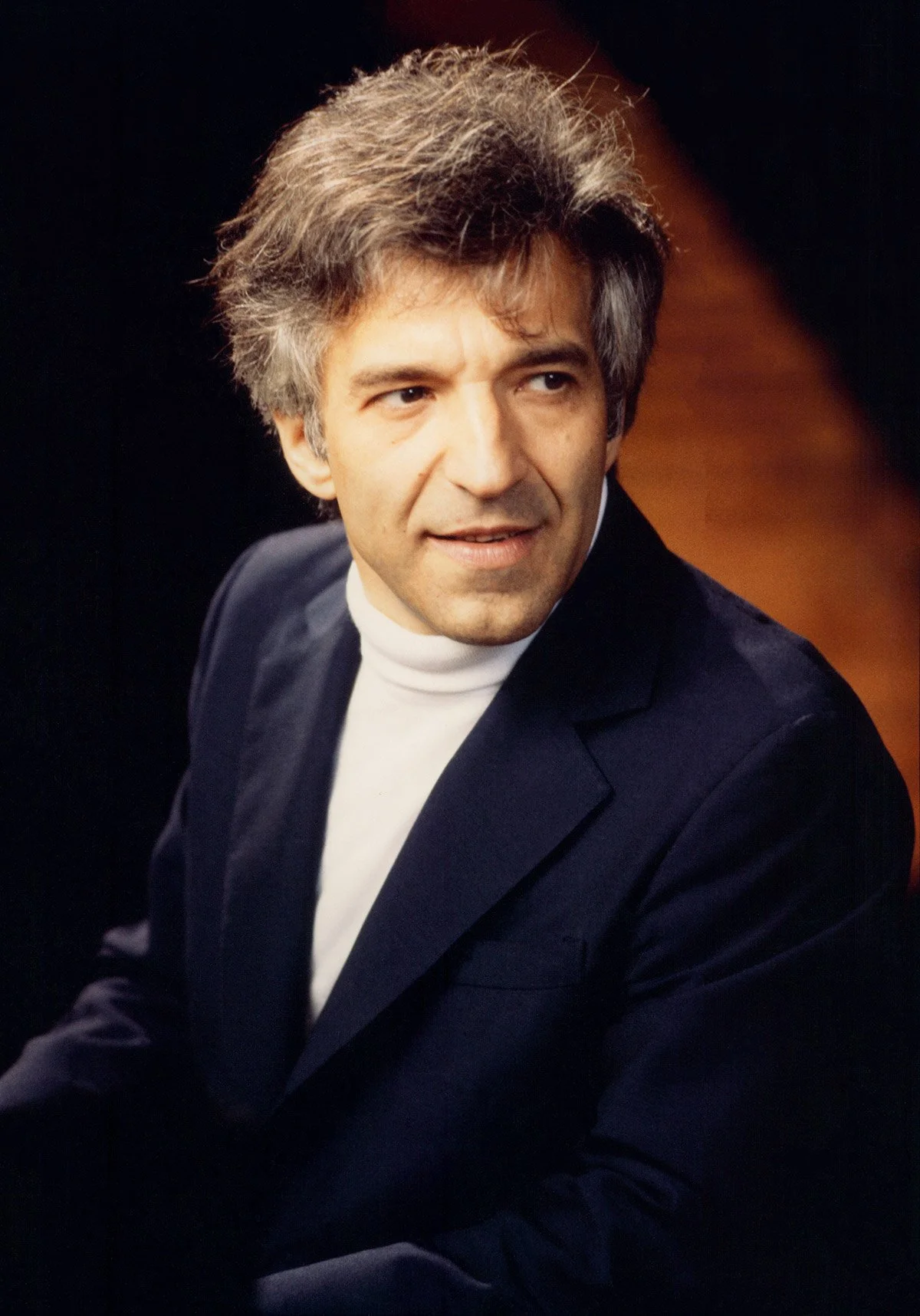
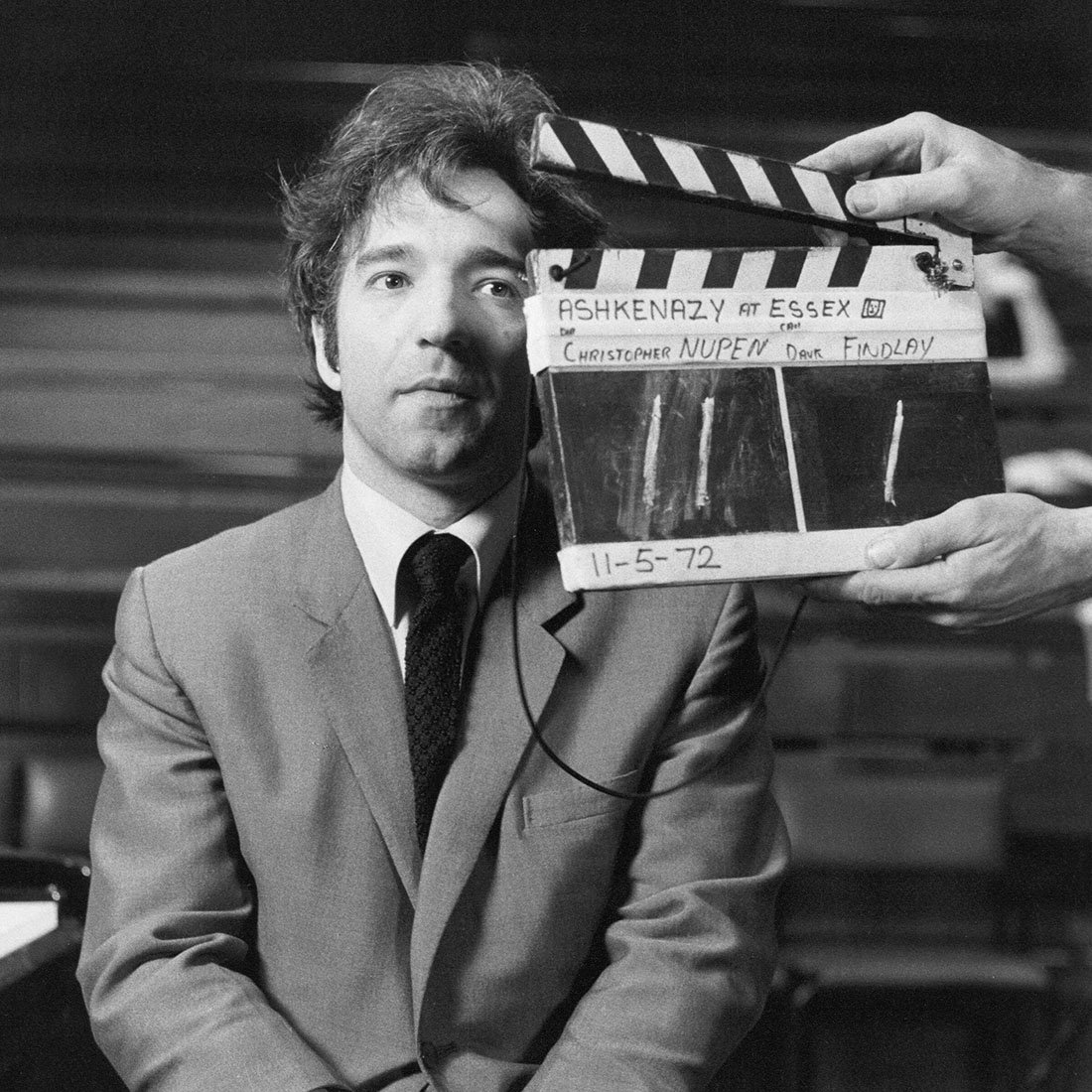
In 1972, when Vladimir Ashkenazy was at a new peak both in his playing and in his career, we planned with him to shoot two recitals for television, one Chopin and one Beethoven.
For quite some time, Ashkenazy had been extremely reluctant to perform in television studios, and rightly so, since they are not the best places in which to make music.
Beethoven’s Piano Sonata No. 31 in A-flat Major, Op. 110
1st movement: Moderato cantabile molto espressivo


Chopin’s, Piano Sonata No. 2 in B flat Minor, Op. 35
3rd movement: Marche funèbre


Our Films on DVD

This DVD presents Vladimir Ashkenazy as pianist, conductor, musical guide and master musician - an intimate and engaging view of one of the world's most quietly successful musicians.
It contains the portrait film Vladimir Ashkenazy: The Vital Juices Are Russian, shot in 1968 when Ashkenazy moved with his wife and son from London to Iceland, an important turning point in his life and career.
Since that film was made, Ashkenazy the pianist (possibly the most frequently recorded pianist in history, his discography runs to 56 pages), has also become an international conductor of the highest rank and we include a montage of sequences from our composer films with Ashkenazy as conductor. It also contains a short interview with Ashkenazy who talks, in his modest but penetrating way, about musical gifts and their origins.
The DVD ends with a film about Rachmaninov's Corelli Variations. In it Ashkenazy discusses the piece at length, with great affection and some telling musical insights. It ends with a complete performance of the piece, filmed at a public concert in Lugano.

This is a DVD about many things. It is about freedom and captivity, about emancipation, acculturation and assimilation; it is about the roles played by Moses and Felix Mendelssohn in the dream of fruitful, unproblematic integration of the Jews into German society after their liberation from the ghettos; it is about Richard Wagner, his essay Das Judenthum in der Musik (The Jews in Music) and his influence on the thinking of the Third Reich but, most of all, it is a DVD about how much music can mean to people, even in the direst of circumstances, or particularly in the direst circumstances.
The title, We Want the Light, is taken from a poem by a 12-year-old girl, Eva Pickova, written in the Theresienstadt concentration camp. Her words provide both the title and the climax - in a setting for two choruses and orchestra by the American composer Franz Waxman, in his work The Song of Terezin. The DVD also contains music by Mahler, Bach, Schoenberg, Bruch, Schumann, Mendelssohn, Wagner, Schubert, Bloch and Brahms.
With the Gürzenich Orchestra of Cologne, the Cologne Opera Chorus, and the Cologne Cathedral Children's Choir, conducted by Vladimir Ashkenazy.

This DVD celebrates the musical quest of one of the great symphonists of the twentieth century; Jean Sibelius, as seen through his music, his letters and the words of his wife Aino, who was with him for more than sixty-four years. His quest was not an easy one. Living through the great turning point in Western music, many of his concerns were strikingly similar to those of Schoenberg and Stravinsky but each chose a different path.
Sibelius once said that while his colleagues were serving multicoloured cocktails, he offered only pure spring water. The metaphor is a good one but, as so often with artists who take an untrod path, critical opinion has fluctuated wildly. In 1935 Sibelius was voted the most popular composer of all time by the members of The New York Philharmonic Society, a view that was echoed by many of the leading critics and composers in England.
By the 1950s critical opinion had relegated Sibelius to a position of minor importance.
Views are changing again and the time seemed right for an intimate look at what Sibelius himself felt that he was trying to achieve. The film in two-parts on this DVD is an attempt to do just that.