Info:
Duration: 44’ 46”
Narrated by Christopher Nupen
Year of production: 1985
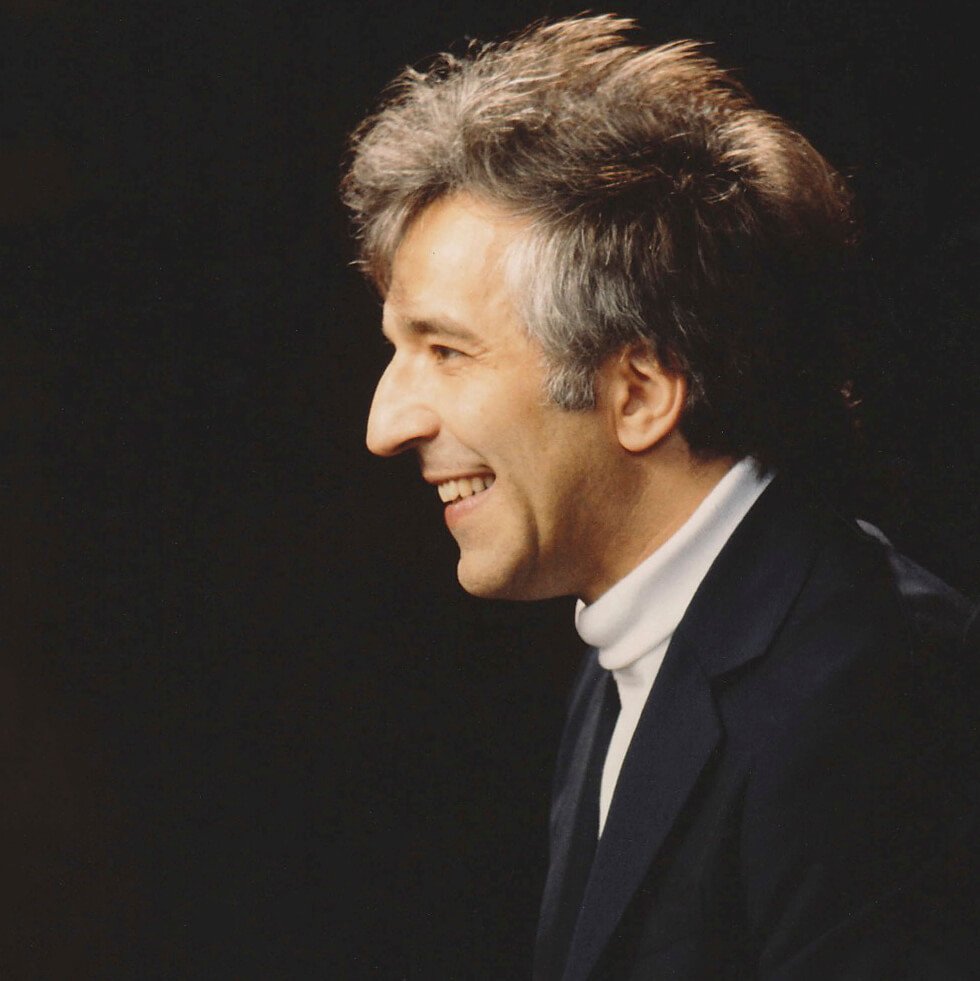
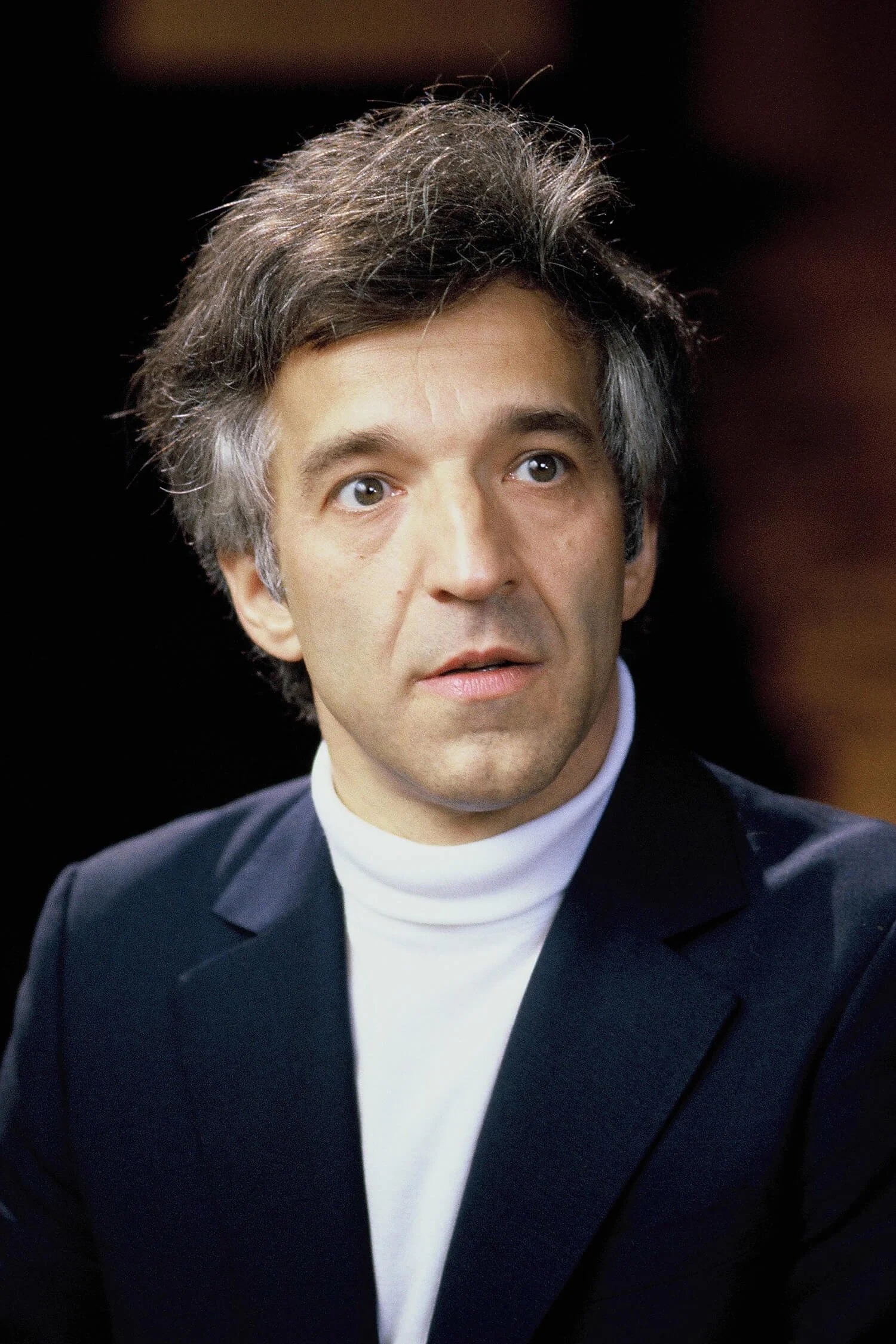
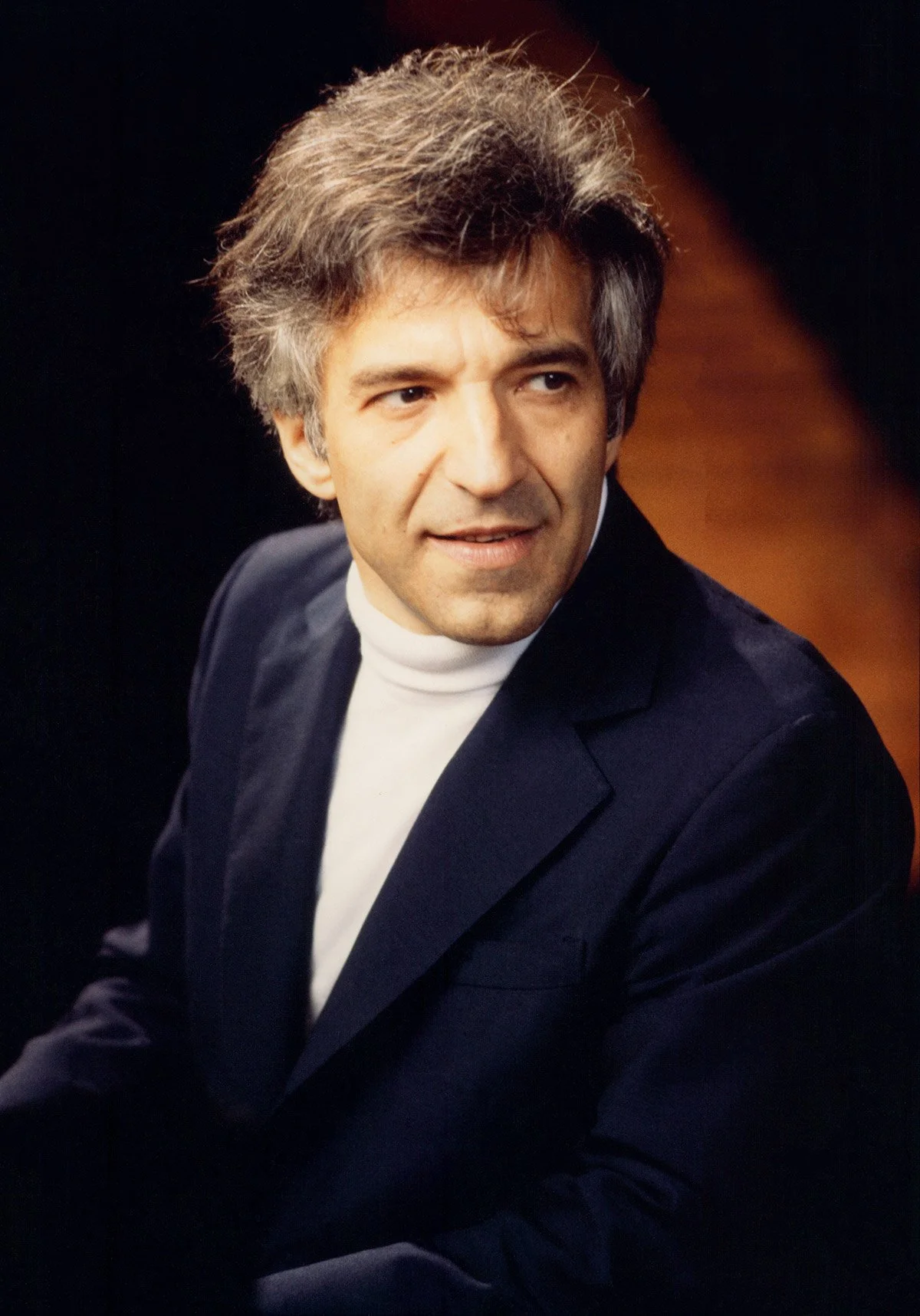
Vladimir Ashkenazy has had a particular affection for the music of Rachmaninoff throughout his professional life, and his performances have long had the ring both of authenticity and of deep commitment.
This is not surprising in a Russian-born and Russian-trained musician of Ashkenazy’s stature, but it is worth remembering that for many years after his emigration from the Soviet Union his interest in Russian music was somewhat eclipsed by his concern to master the music of the Western European traditions.
By common consent Ashkenazy is recognised as one of the leading pianists of our time, as much at home in the music of the West as of his native Russia. So the time seemed right for a television programme in which he would both introduce and perform one of Rachmaninoff’s greatest works for the piano:the Variations on a Theme of Corelli.
-
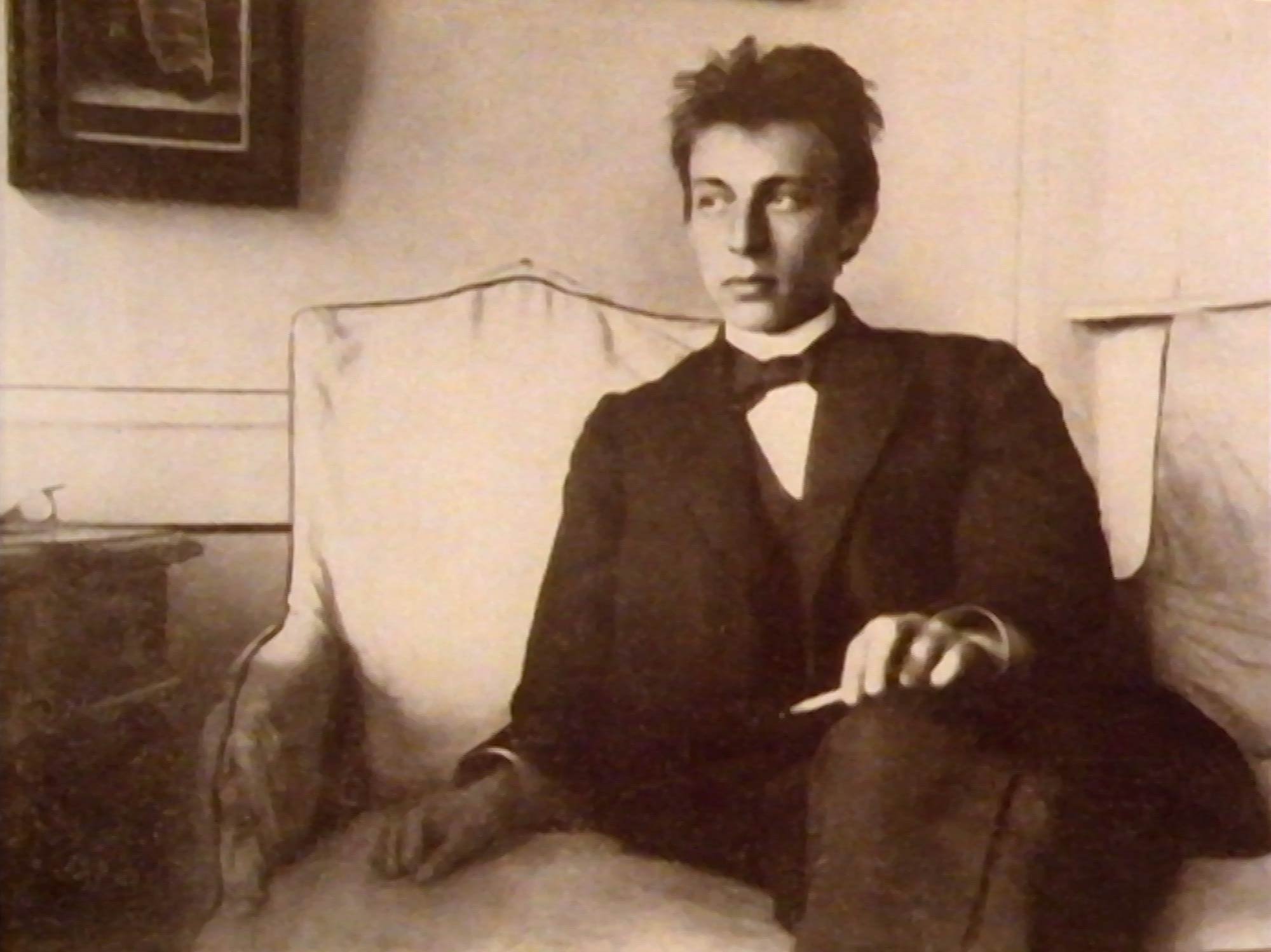
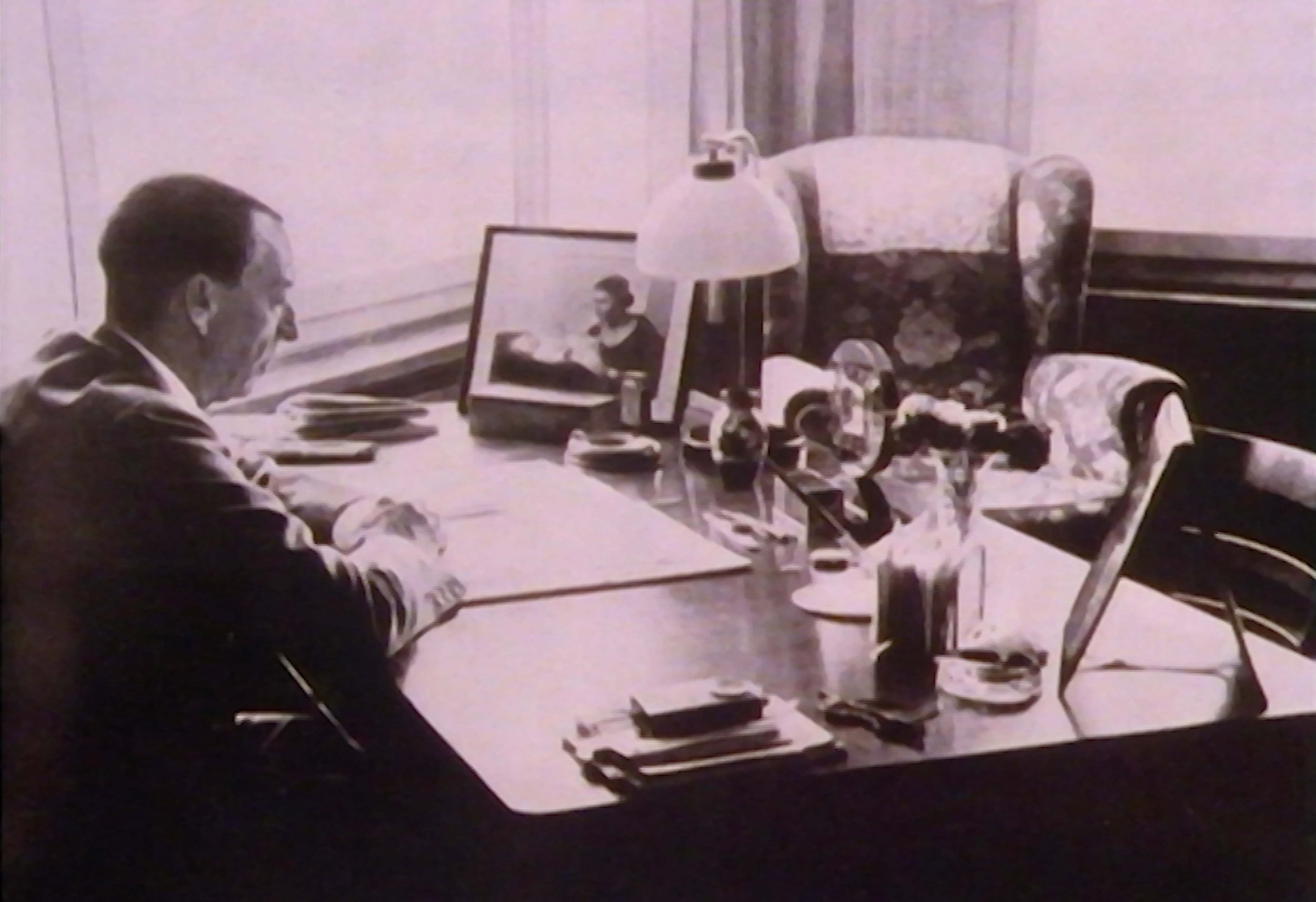
Rachmaninoff wrote the Corelli Variations piece in 1931. At the time he was widely regarded as the leading pianist of his day and one of the most gifted composers for the instrument, and yet, largely as a consequence of his exile and his increasing melancholy, he had published nothing for the piano in sixteen years. It was to be his last work for the instrument which he had played with such mastery from childhood and which had sustained him in exile through long periods of silence as a composer; not surprisingly it is one of his finest and one of his most intimately revealing compositions.
In an introduction which lasts about 25 minutes, Ashkenazy introduces the piece with examples at the keyboard and with many revealing touches about his own attitude to Rachmaninoff and to this music. The programme ends with a complete performance of the Variations recorded at a public concert which Ashkenazy gave in Lugano, Switzerland. There are few, if any, pianists on the concert platform today who are able to surpass his mastery of this music.

Our Films on DVD

This DVD presents Vladimir Ashkenazy as pianist, conductor, musical guide and master musician - an intimate and engaging view of one of the world's most quietly successful musicians.
It contains the portrait film Vladimir Ashkenazy: The Vital Juices Are Russian, shot in 1968 when Ashkenazy moved with his wife and son from London to Iceland, an important turning point in his life and career.
Since that film was made, Ashkenazy the pianist (possibly the most frequently recorded pianist in history, his discography runs to 56 pages), has also become an international conductor of the highest rank and we include a montage of sequences from our composer films with Ashkenazy as conductor. It also contains a short interview with Ashkenazy who talks, in his modest but penetrating way, about musical gifts and their origins.
The DVD ends with a film about Rachmaninov's Corelli Variations. In it Ashkenazy discusses the piece at length, with great affection and some telling musical insights. It ends with a complete performance of the piece, filmed at a public concert in Lugano.

This DVD celebrates the musical quest of one of the great symphonists of the twentieth century; Jean Sibelius, as seen through his music, his letters and the words of his wife Aino, who was with him for more than sixty-four years. His quest was not an easy one. Living through the great turning point in Western music, many of his concerns were strikingly similar to those of Schoenberg and Stravinsky but each chose a different path.
Sibelius once said that while his colleagues were serving multicoloured cocktails, he offered only pure spring water. The metaphor is a good one but, as so often with artists who take an untrod path, critical opinion has fluctuated wildly. In 1935 Sibelius was voted the most popular composer of all time by the members of The New York Philharmonic Society, a view that was echoed by many of the leading critics and composers in England.
By the 1950s critical opinion had relegated Sibelius to a position of minor importance.
Views are changing again and the time seemed right for an intimate look at what Sibelius himself felt that he was trying to achieve. The film in two-parts on this DVD is an attempt to do just that.

The two pioneering films on this DVD do not use actors to represent the composer but are made entirely of Tchaikovsky's own words and music, plus the words of a few of his closest companions. The result gives an exceptionally intimate picture of the inner landscape of Tchaikovsky's work and artistic preoccupations. Scrupulously well researched, the films are a treasure trove for the enquiring Tchaikovsky fan.
The first film, Tchaikovsky's Women (70' 15"), looks at the women both in his private life and in his music. In his early years, almost all of his best work was inspired by a deep identification with the plight of his suffering young heroines, an identification so complete that it spilled over repeatedly into his personal life with dramatic consequences.
The second film, Fate (85' 35"), looks at Tchaikovsky's strange relationship with Nadezhda von Meck which was to become the most important attachment of his life, after his mother. It also follows Tchaikovsky's shift from the fate of his young heroines to his increasing concern with the idea of fate as a controlling influence in his own life and as a motivating force in his later symphonies. The progression is inexorable and nowhere more evident than in the fatal message within the last movement of the sixth symphony, his final and greatest masterpiece.