Info:
Duration: 70’ 14”
Narrated by Christopher Nupen
Year of production: 1988
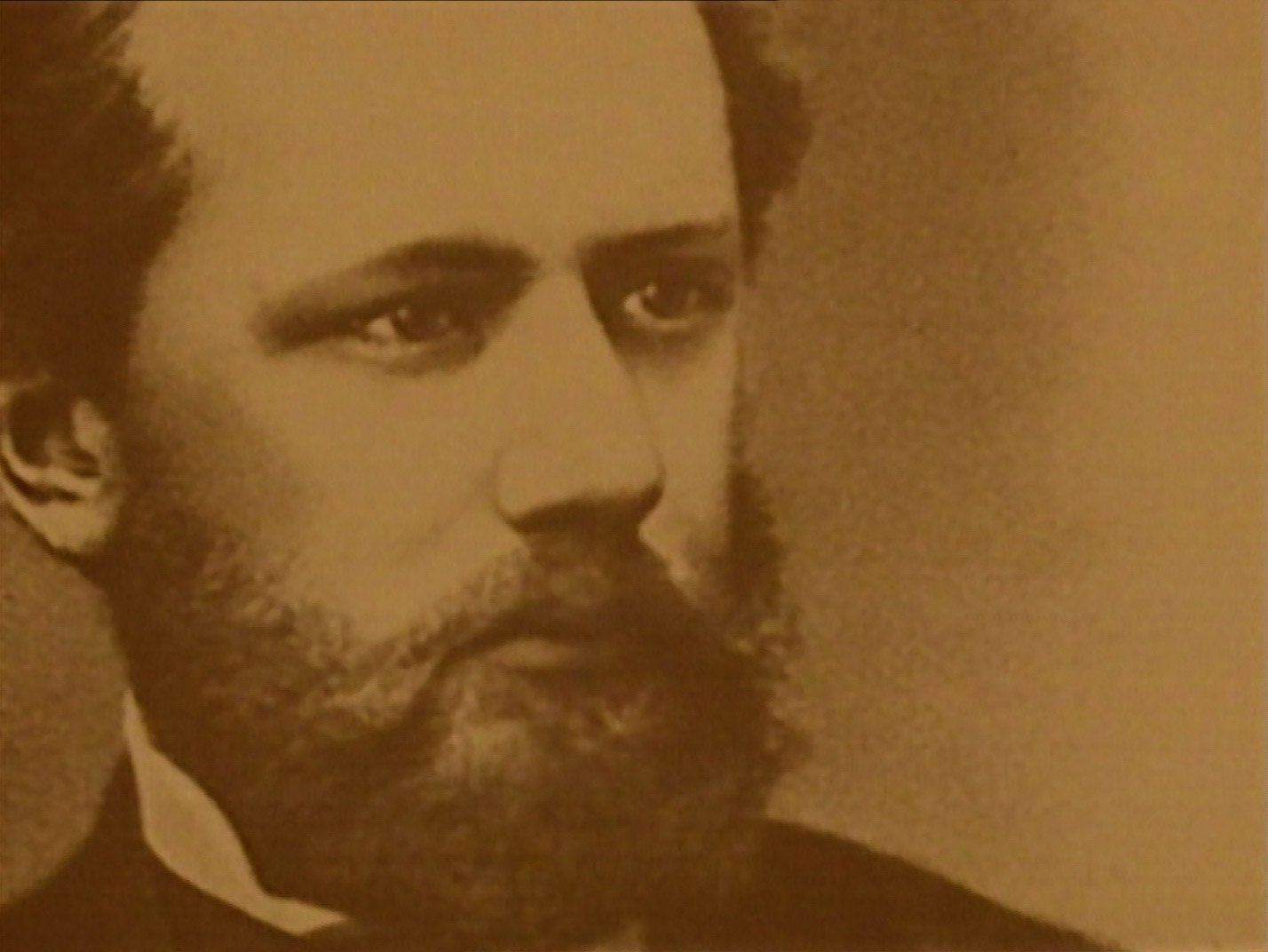
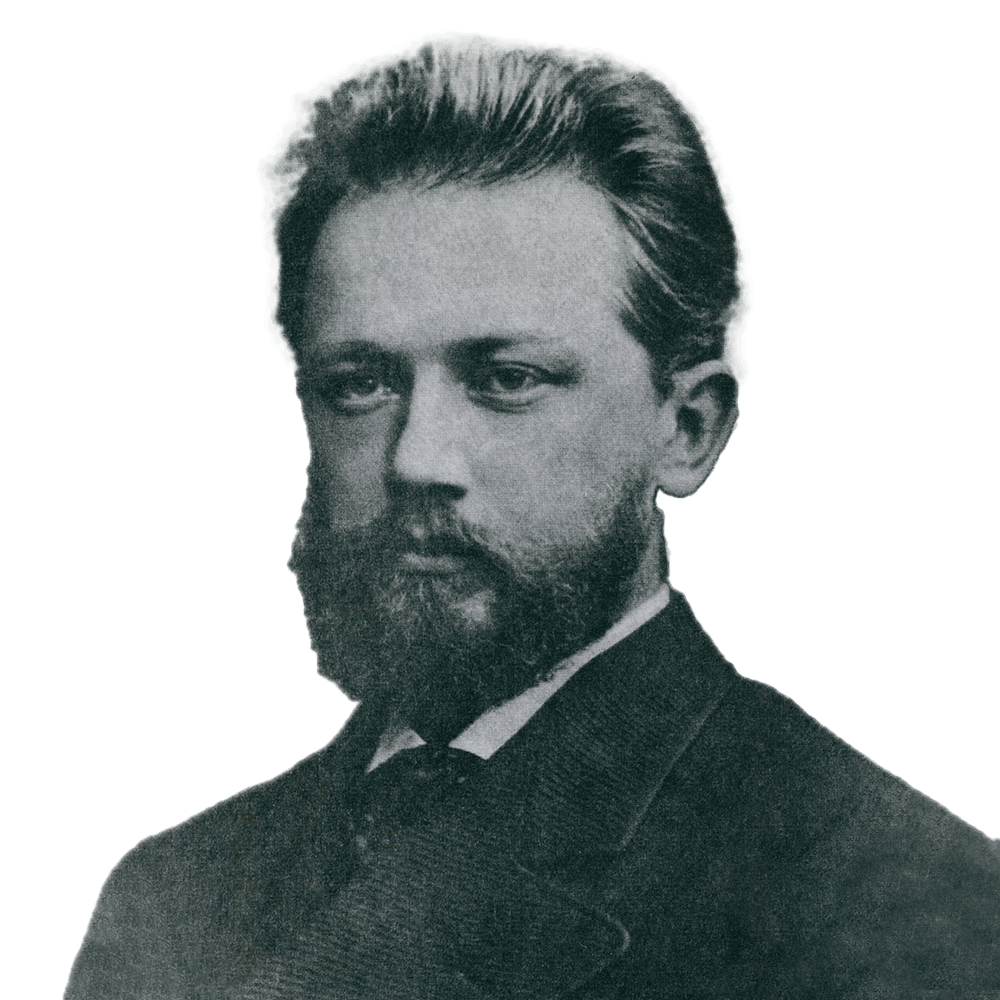
This is the first of two films about the music of Tchaikovsky, written and directed by Christopher Nupen.
It covers the period from the first tentative stirrings of Tchaikovsky's musical talent to the time of the composition of Eugene Onegin and the disastrous failure of his marriage to Antonina Milyukova.
-
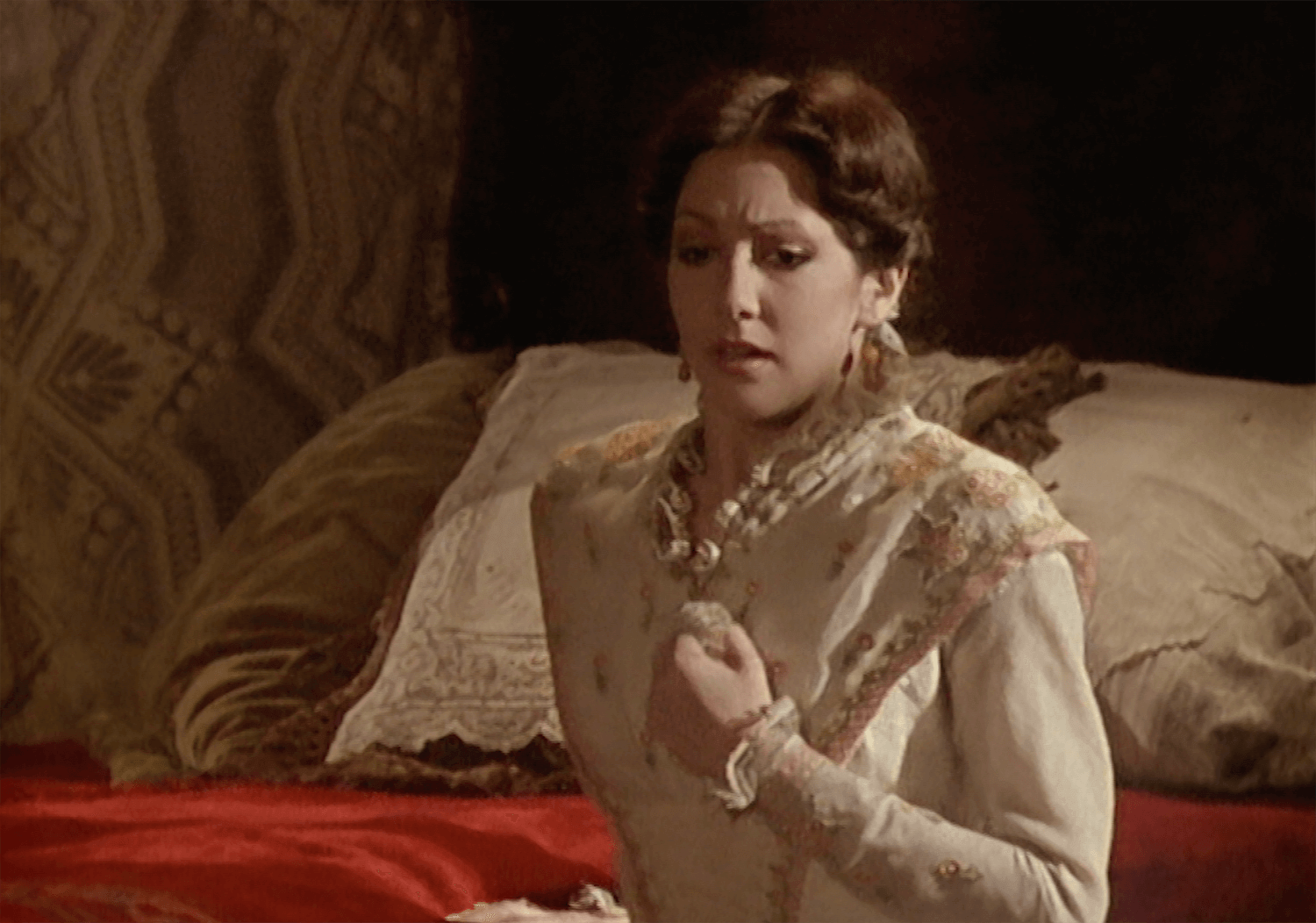
Up to the time of his marriage the prime source of inspiration for much of his best music lay in Tchaikovsky's deep identification with the fate of his vulnerable young heroines. All through his life he was preoccupied with the idea of fate and in the early years it was the fate of these young women that touched him most; Katerina in The Storm, Juliet in Romeo and Juliet, Francesca in Francesca da Rimini and above all Tatyana in Eugene Onegin. His identification with Tatyana was so complete that it had a direct influence on his decision to marry Antonina Milyukova with such desperately unhappy consequences.
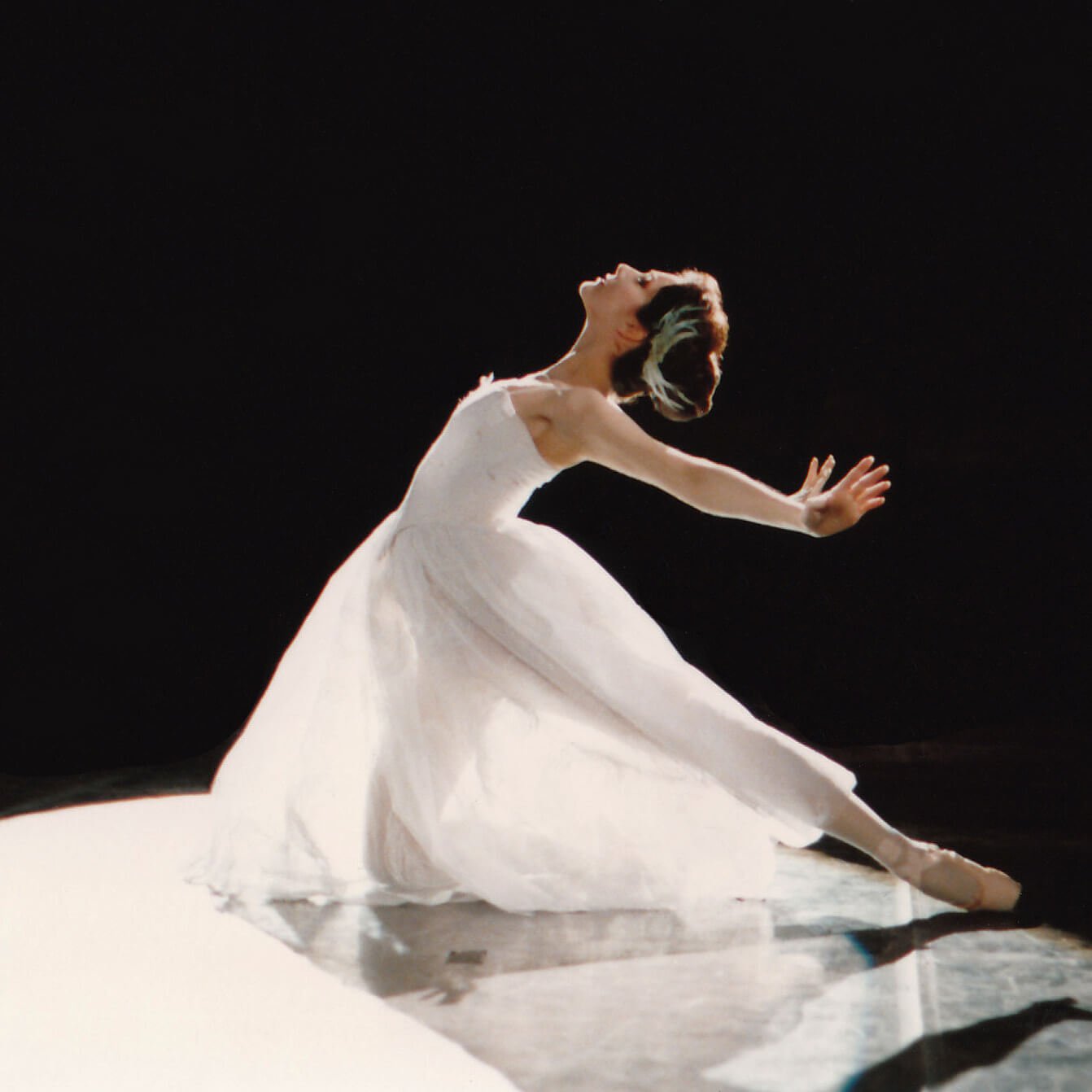
The American dancer Cynthia Harvey who is a principal with the Royal Ballet plays Katerina, Juliet and Odette. The Welsh soprano Helen Field who is a principal singer with the Welsh National Opera sings Tatyana in Eugene Onegin. Cynthia Harvey is partnered by Mark Silver who is also a principal with the Royal Ballet. Choreography is by Graham Lustig.
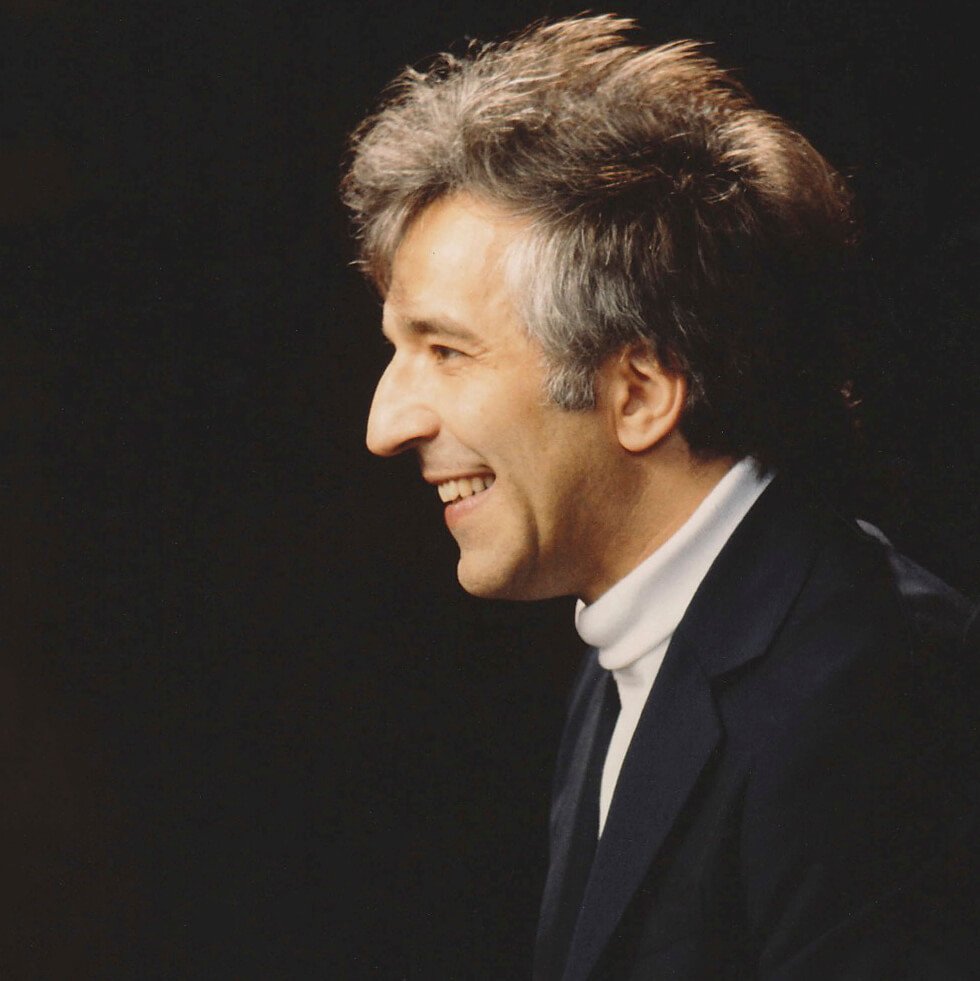
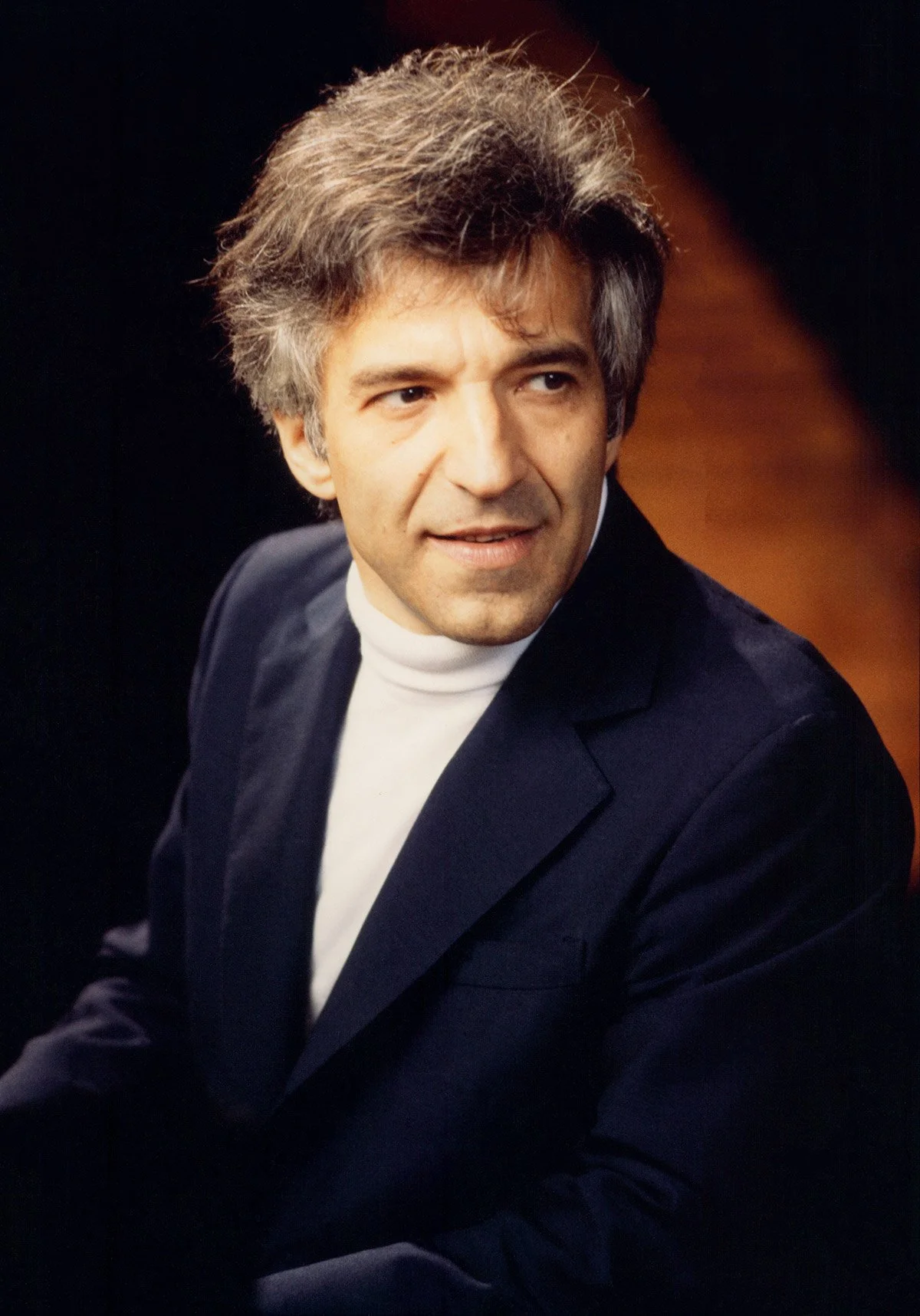
The music is performed by the Swedish Radio Symphony Orchestra conducted by Vladimir Ashkenazy who has appeared in so many Allegro films during the past 22 years.
Mozart's Donna Anna, who touched Tchaikovsky so deeply at the age of ten, makes a brief appearance, sung by the Swedish soprano Clarry Bartha.
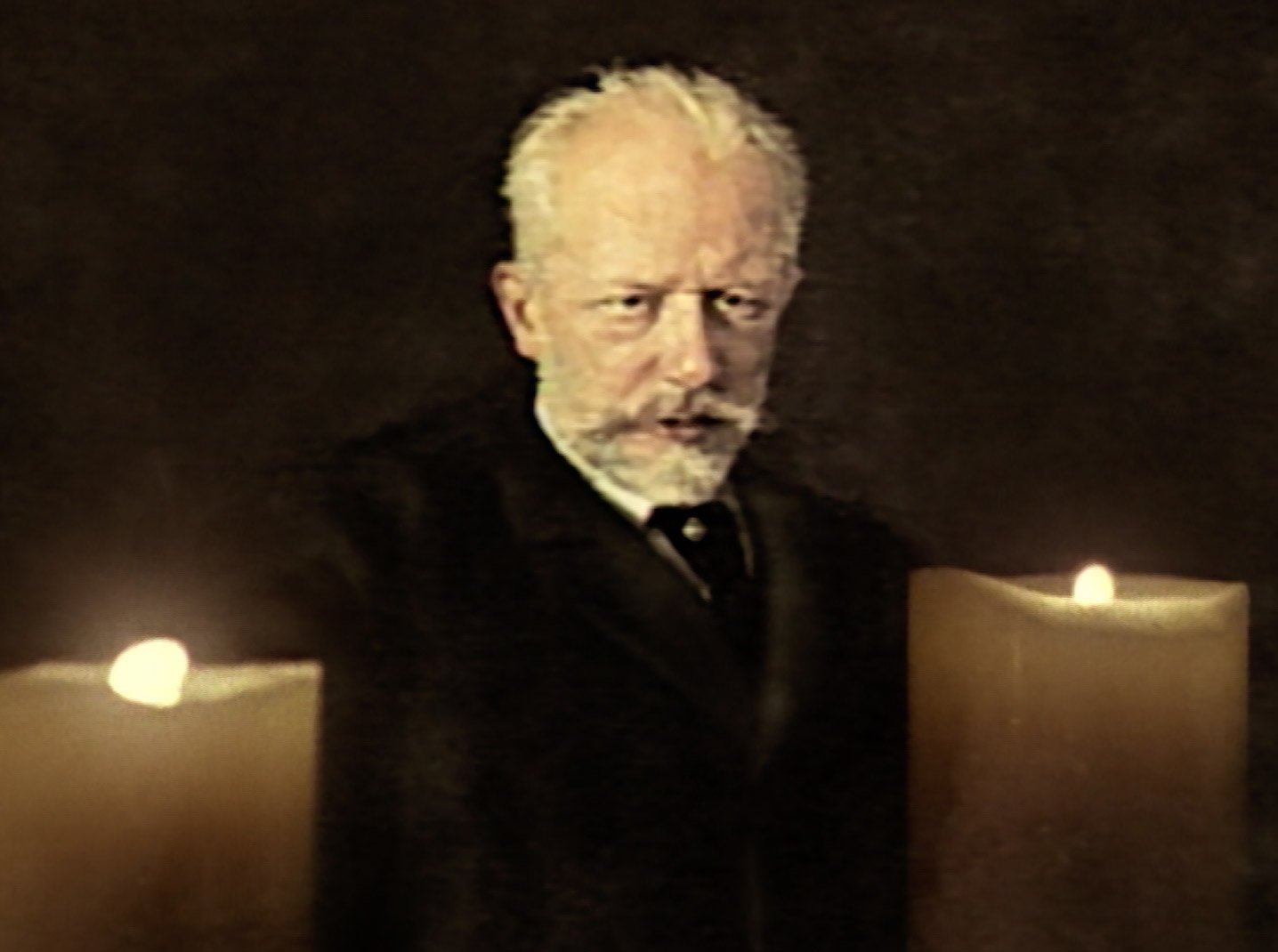
The second film will be concerned with Tchaikovsky's preoccupation with his own fate in the composition of the later symphonies.
Tchaikovsky’s Women - part one

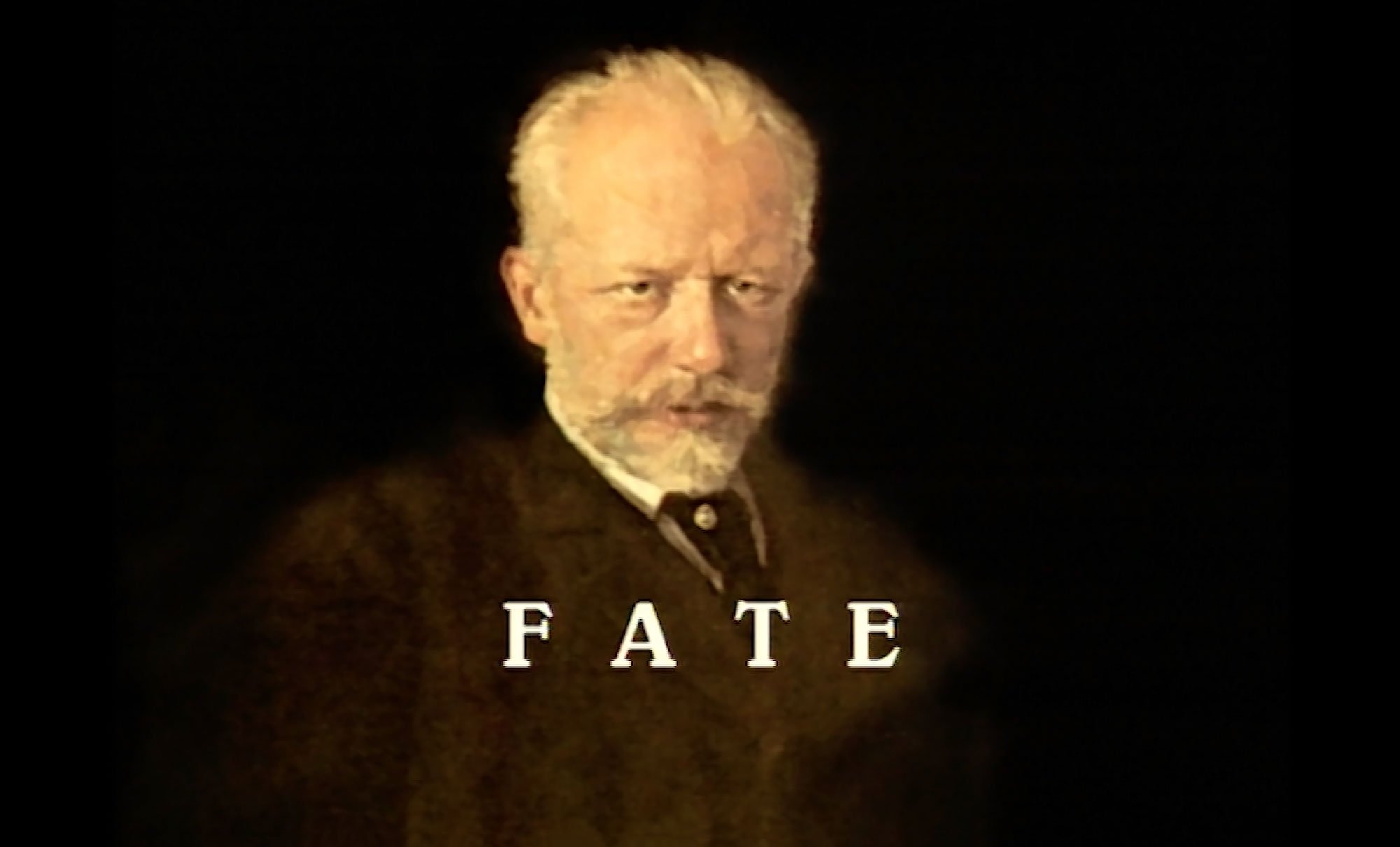
Tchaikovsky: Fate - part two
Info:
Duration: 85’ 35”
Narrated by Christopher Nupen
Year of production: 1988
Part two continues the examination of Tchaikovsky's preoccupation with the idea of fate as a governing force in our lives.
The first film (Tchaikovsky's Women) focused on the young composer's identification with the fate of his vulnerable young heroines, from Katerina in his first orchestral work, The Storm, to his dearly beloved Tatanya in Eugene Onegin. It ended with the composition of that Opera and its close connections to the disastrous failure of Tchaikovsky's marriage to Antonina Milyukova.
-
After his mother, Nadezhda von Meck was the most important person in Tchaikovsky's life and she became his most intimate confidante. They never met and came face to face only once, by accident (to the acute embarrassment of both parties), but their long and highly charged correspondence is full of the most intimately revealing details of Tchaikovsky's innermost concerns.
So important was the relationship that when von Meck withdrew her support both as patron and as friend it dealt Tchaikovsky a blow from which he never recovered. This dramatic event contributed to an increasing depression which made him so vulnerable - only three years later - to the demands for his enforced suicide.
The orchestra once again is the Swedish Radio Symphony Orchestra conducted by Vladimir Ashkenazy and the film ends with a complete performance of the last movement of the Sixth Symphony; that most powerful augury of the composer's own death.
Our Films on DVD

The two pioneering films on this DVD do not use actors to represent the composer but are made entirely of Tchaikovsky's own words and music, plus the words of a few of his closest companions. The result gives an exceptionally intimate picture of the inner landscape of Tchaikovsky's work and artistic preoccupations. Scrupulously well researched, the films are a treasure trove for the enquiring Tchaikovsky fan.
The first film, Tchaikovsky's Women (70' 15"), looks at the women both in his private life and in his music. In his early years, almost all of his best work was inspired by a deep identification with the plight of his suffering young heroines, an identification so complete that it spilled over repeatedly into his personal life with dramatic consequences.
The second film, Fate (85' 35"), looks at Tchaikovsky's strange relationship with Nadezhda von Meck which was to become the most important attachment of his life, after his mother. It also follows Tchaikovsky's shift from the fate of his young heroines to his increasing concern with the idea of fate as a controlling influence in his own life and as a motivating force in his later symphonies. The progression is inexorable and nowhere more evident than in the fatal message within the last movement of the sixth symphony, his final and greatest masterpiece.

This DVD contains two of the most famous Schubert films — each entirely different from the other in style, content and spirit.
The first, The Trout, presents a youthful explosion of exuberant talent; starting with Schubert himself — who wrote his Trout Quintet when he was 22 years old. His lead is picked up and brought to life by five extravagantly gifted young musicians when they were barely older than Schubert had been when he wrote the piece. Their names: Daniel Barenboim, Itzhak Perlman, Pinchas Zukerman, Jacqueline du Pré and Zubin Mehta.
The film was shot in a single week in August of 1969 and culminates with a performance of Schubert's Trout Quintet, filmed live on-stage at the new Queen Elizabeth Hall, on the south bank of the Thames, in London.
The second film, The Greatest Love and the Greatest Sorrow, looks at Schubert's astonishing achievements in the last 20 months of his life - after the death of his god, Beethoven. He asked the question, "Who would dare to do anything after Beethoven”? The answer, of course, was Franz Peter Schubert, in the music which he wrote after Beethoven's death.

This DVD presents Vladimir Ashkenazy as pianist, conductor, musical guide and master musician - an intimate and engaging view of one of the world's most quietly successful musicians.
It contains the portrait film Vladimir Ashkenazy: The Vital Juices Are Russian, shot in 1968 when Ashkenazy moved with his wife and son from London to Iceland, an important turning point in his life and career.
Since that film was made, Ashkenazy the pianist (possibly the most frequently recorded pianist in history, his discography runs to 56 pages), has also become an international conductor of the highest rank and we include a montage of sequences from our composer films with Ashkenazy as conductor. It also contains a short interview with Ashkenazy who talks, in his modest but penetrating way, about musical gifts and their origins.
The DVD ends with a film about Rachmaninov's Corelli Variations. In it Ashkenazy discusses the piece at length, with great affection and some telling musical insights. It ends with a complete performance of the piece, filmed at a public concert in Lugano.