Info:
Duration: 75’ 00”
Year of production: 1982
Accolade:
International Emmy Nomination, New York 1982
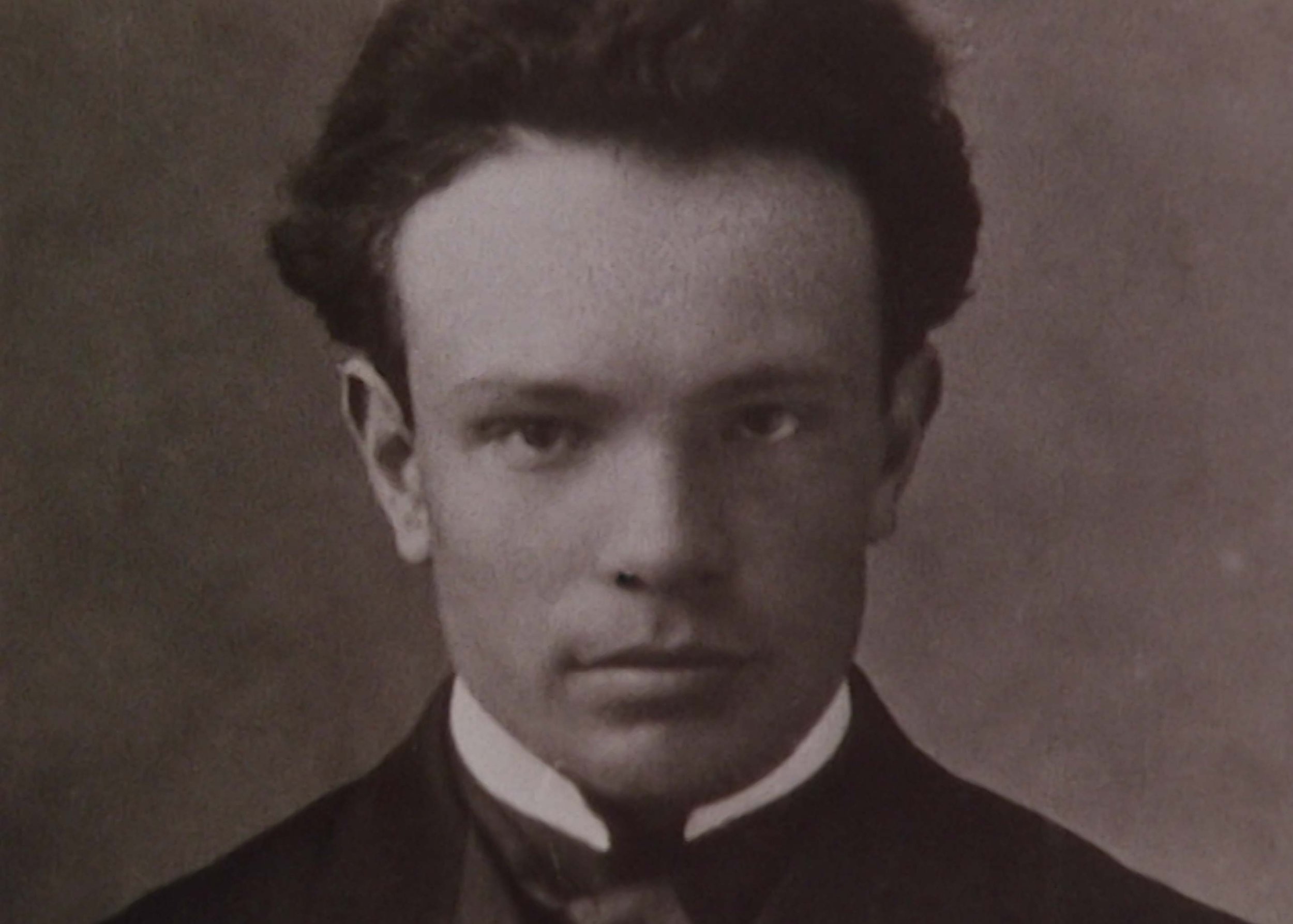
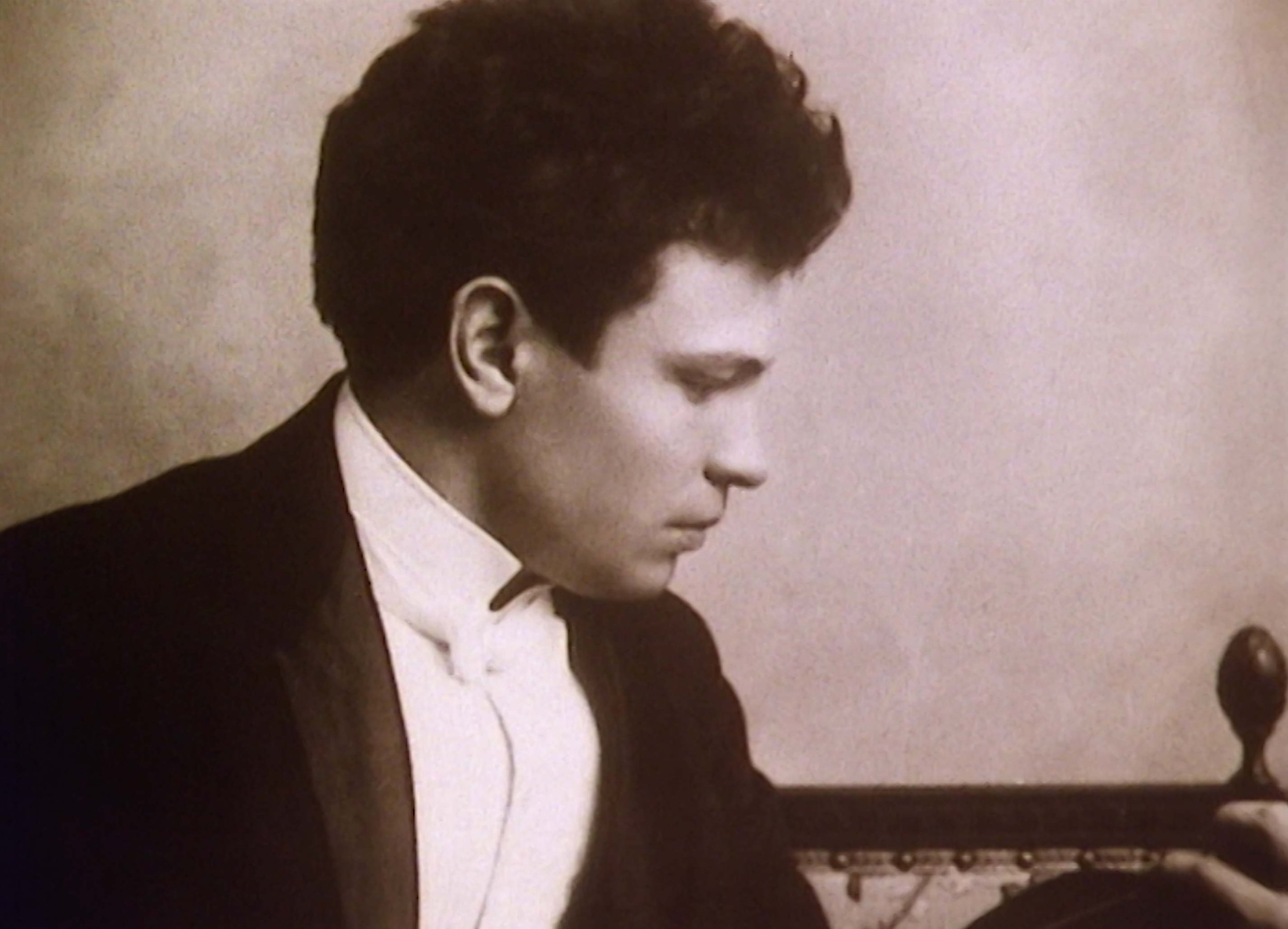
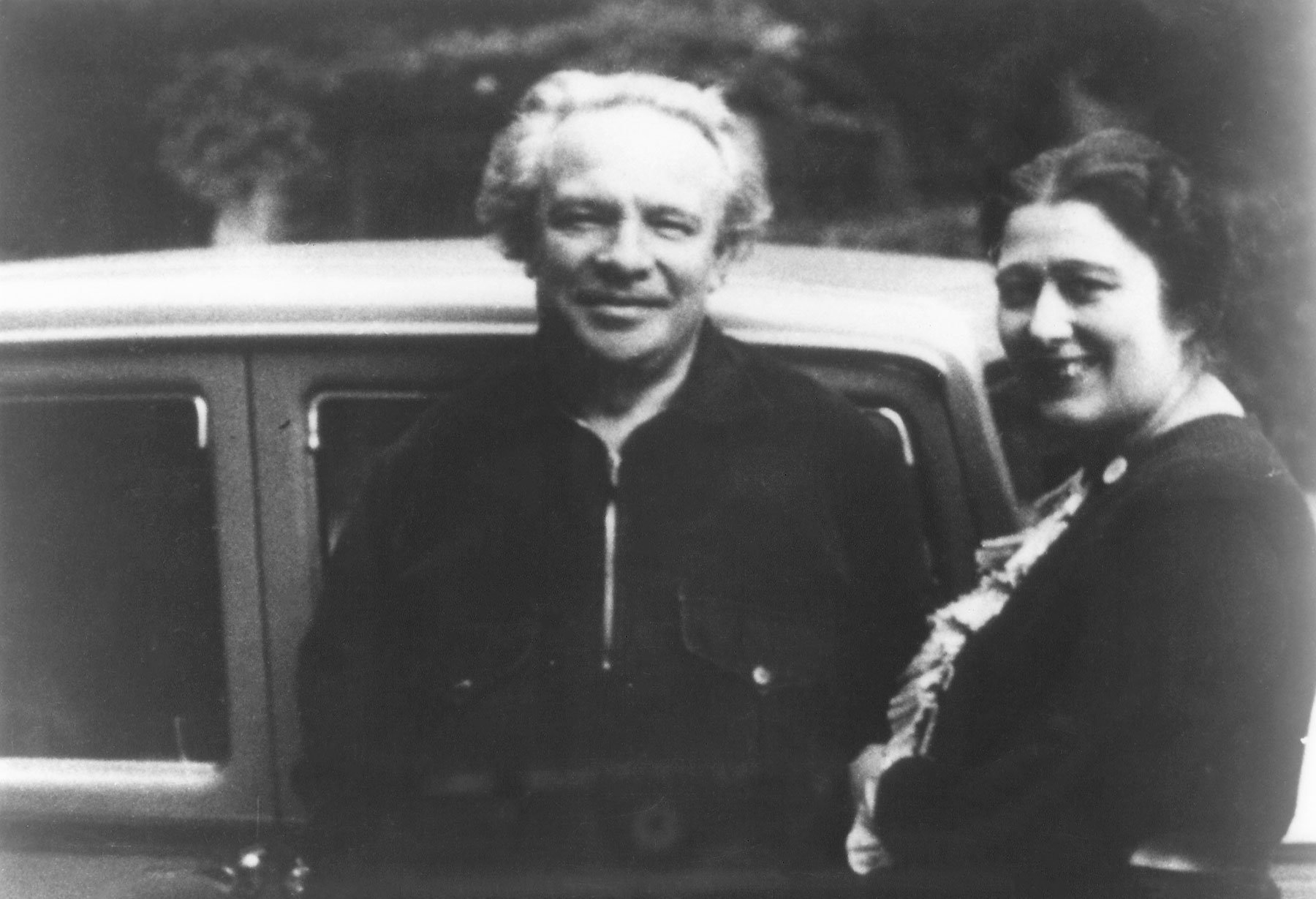
Who was Ottorino Respighi? An Italian composer, born in Bologna in 1879. Nature endowed him with the most prodigious gifts and he quickly became the leading Italian Symphonist in the first half of the 20th century. But today he is generally thought of as the composer of large scale descriptive works, because of his brilliant use of orchestral colours, his skilful evocation of mood, and the international success of his three Roman Tone Poems; the Feste Romane, the Pines of Rome, and Fountains of Rome.
These are not his best works, nor are they his most characteristic music, but they caught the spirit of the age in which they were written, even if they have tended to obscure both the range and the quality of his compositions.
"I use nature," he said, "as a point of departure; so that I may recall memories and visions." But he added: "I am only a composer – always a composer. I could never have been anything else."
-
Insofar as Respighi is known at all to the general public today, it is mostly through the three Roman Tone Poems, “The Fountains of Rome”, “The Pines of Rome” and “The Feste Romane”.
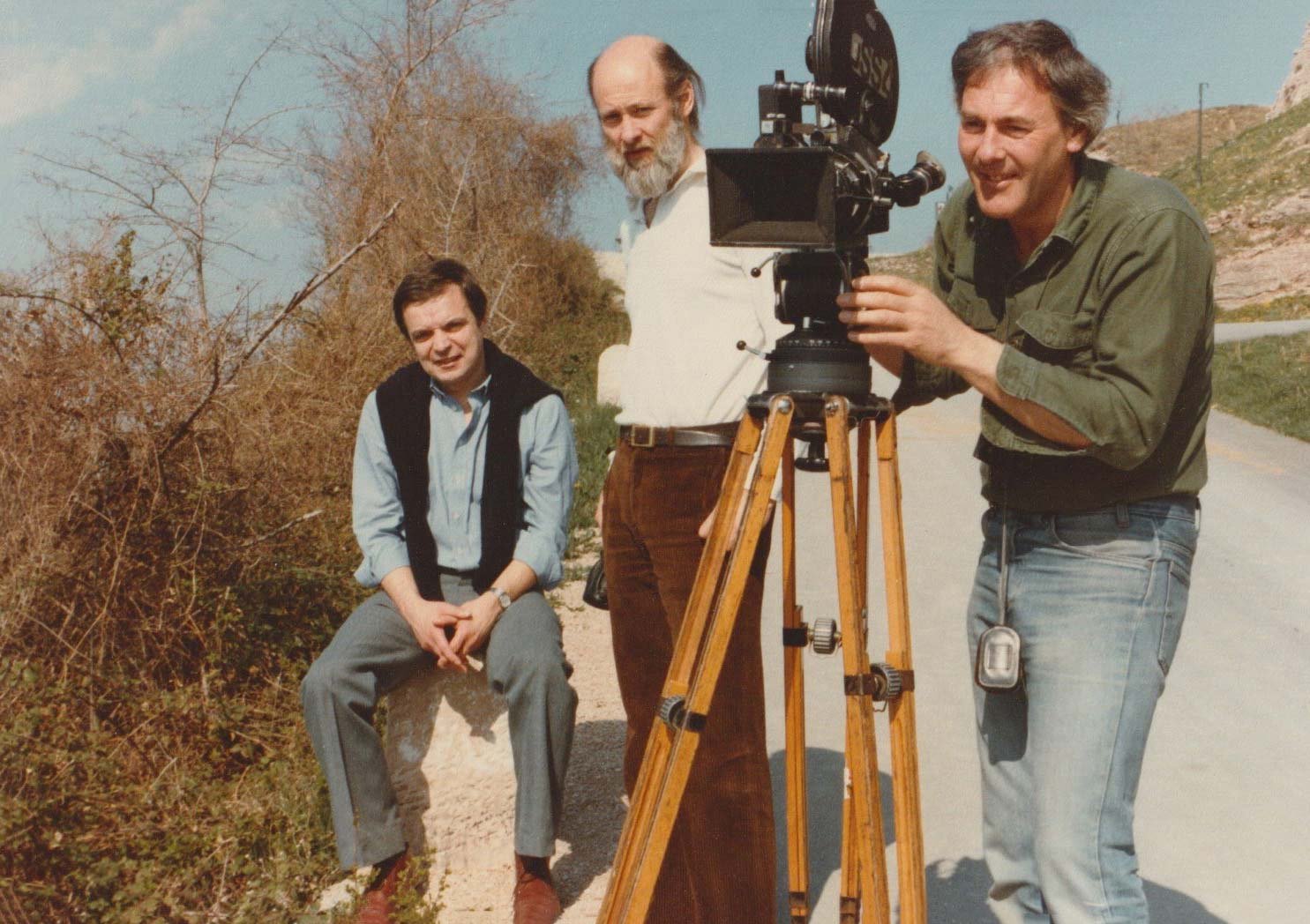
There are no interviews in the film. It consists of sequences shot in Italy (which so profoundly influenced Respighi’s creative spirit), a commentary written by Michael and Christopher Nupen and the music, filmed and edited in an unusual and colourful way.
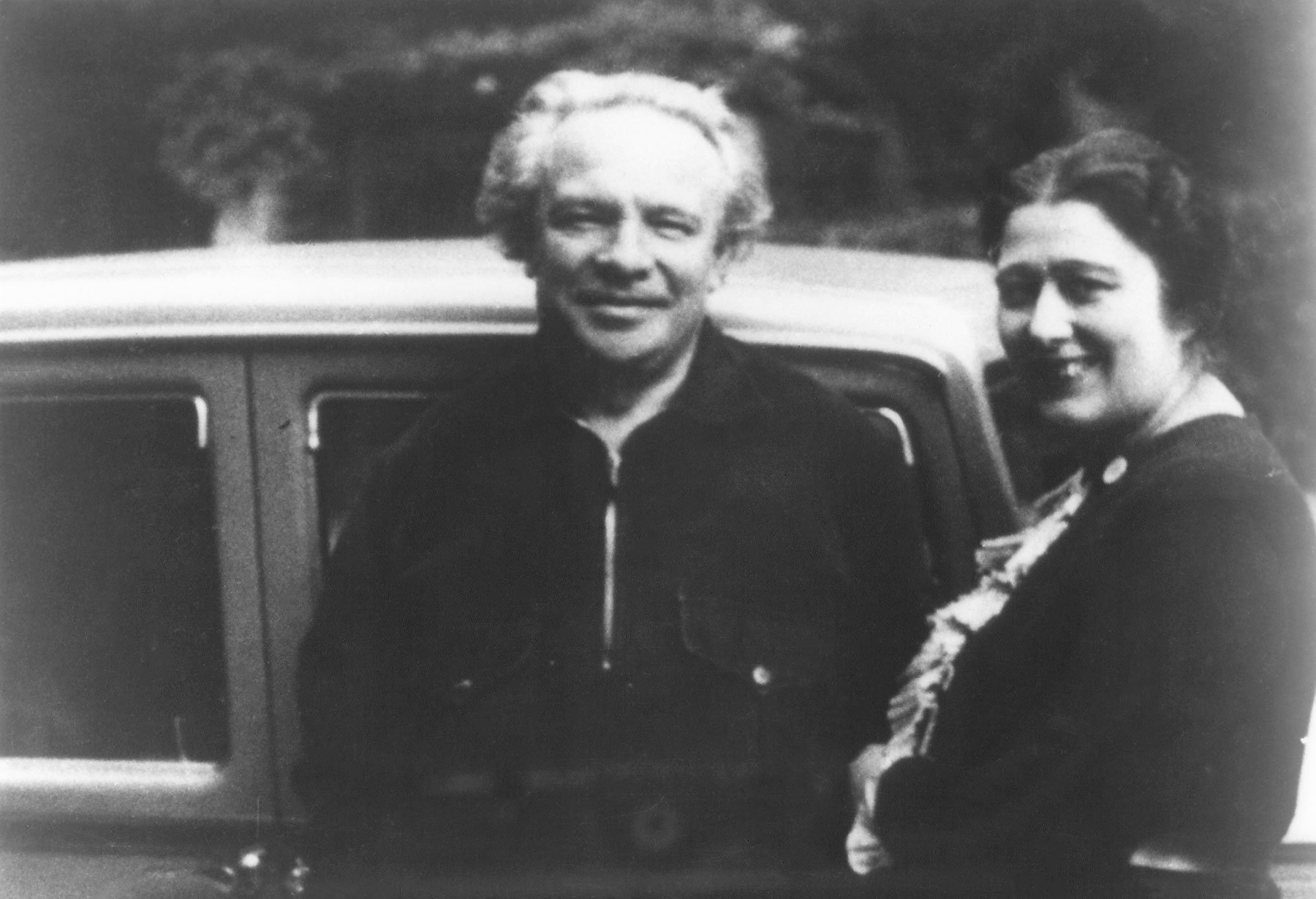
The film is also a tribute to Respighi’s wife, Elsa Sangiacomo, who, forty-seven years after Respighi’s death, was still a major figure in Italian musical life, devoted to her memories, both of the man and of his music.
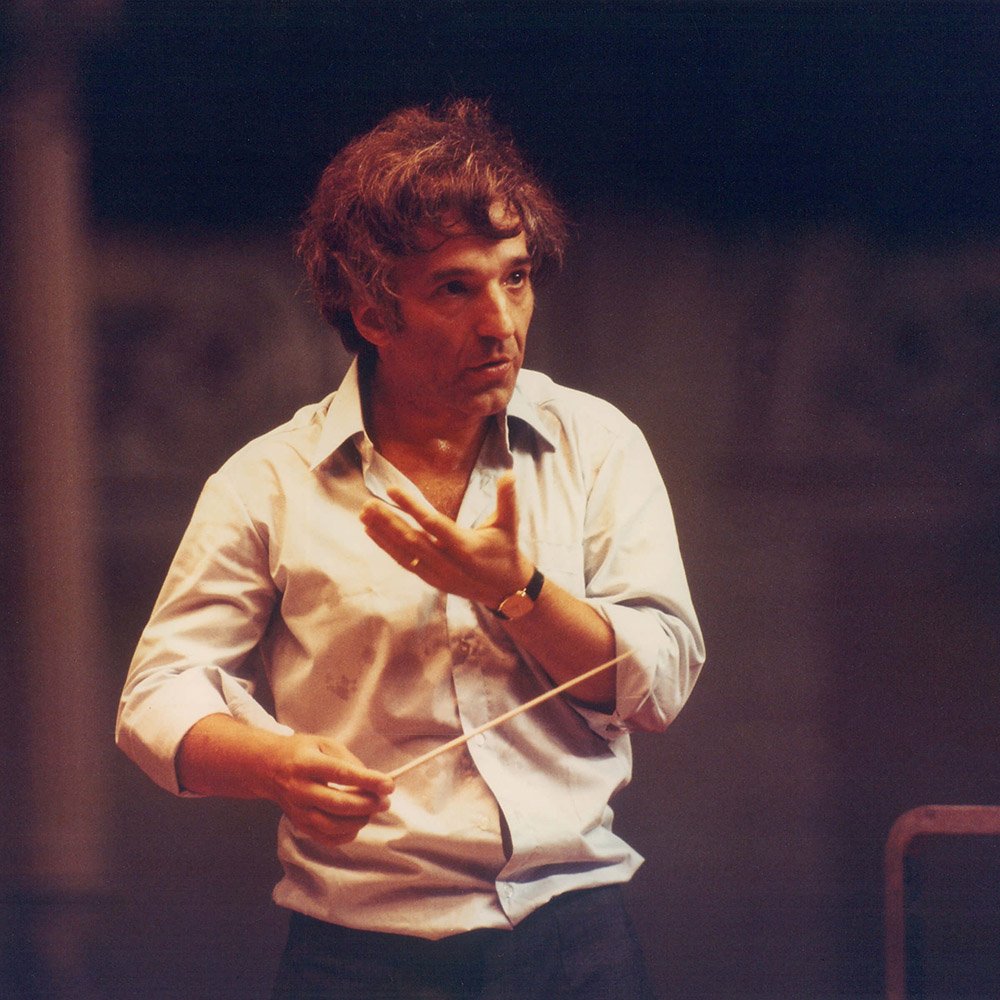
The performers are: Vladimir Ashkenazy, the Swedish Radio Orchestra, the Allegri String Quartet, Raphael Sommer, Zehava Gal and Christina Falk.

Our Films on DVD

This DVD celebrates the musical quest of one of the great symphonists of the twentieth century; Jean Sibelius, as seen through his music, his letters and the words of his wife Aino, who was with him for more than sixty-four years. His quest was not an easy one. Living through the great turning point in Western music, many of his concerns were strikingly similar to those of Schoenberg and Stravinsky but each chose a different path.
Sibelius once said that while his colleagues were serving multicoloured cocktails, he offered only pure spring water. The metaphor is a good one but, as so often with artists who take an untrod path, critical opinion has fluctuated wildly. In 1935 Sibelius was voted the most popular composer of all time by the members of The New York Philharmonic Society, a view that was echoed by many of the leading critics and composers in England.
By the 1950s critical opinion had relegated Sibelius to a position of minor importance.
Views are changing again and the time seemed right for an intimate look at what Sibelius himself felt that he was trying to achieve. The film in two-parts on this DVD is an attempt to do just that.

The two pioneering films on this DVD do not use actors to represent the composer but are made entirely of Tchaikovsky's own words and music, plus the words of a few of his closest companions. The result gives an exceptionally intimate picture of the inner landscape of Tchaikovsky's work and artistic preoccupations. Scrupulously well researched, the films are a treasure trove for the enquiring Tchaikovsky fan.
The first film, Tchaikovsky's Women (70' 15"), looks at the women both in his private life and in his music. In his early years, almost all of his best work was inspired by a deep identification with the plight of his suffering young heroines, an identification so complete that it spilled over repeatedly into his personal life with dramatic consequences.
The second film, Fate (85' 35"), looks at Tchaikovsky's strange relationship with Nadezhda von Meck which was to become the most important attachment of his life, after his mother. It also follows Tchaikovsky's shift from the fate of his young heroines to his increasing concern with the idea of fate as a controlling influence in his own life and as a motivating force in his later symphonies. The progression is inexorable and nowhere more evident than in the fatal message within the last movement of the sixth symphony, his final and greatest masterpiece.

This DVD contains two of the most famous Schubert films — each entirely different from the other in style, content and spirit.
The first, The Trout, presents a youthful explosion of exuberant talent; starting with Schubert himself — who wrote his Trout Quintet when he was 22 years old. His lead is picked up and brought to life by five extravagantly gifted young musicians when they were barely older than Schubert had been when he wrote the piece. Their names: Daniel Barenboim, Itzhak Perlman, Pinchas Zukerman, Jacqueline du Pré and Zubin Mehta.
The film was shot in a single week in August of 1969 and culminates with a performance of Schubert's Trout Quintet, filmed live on-stage at the new Queen Elizabeth Hall, on the south bank of the Thames, in London.
The second film, The Greatest Love and the Greatest Sorrow, looks at Schubert's astonishing achievements in the last 20 months of his life - after the death of his god, Beethoven. He asked the question, "Who would dare to do anything after Beethoven”? The answer, of course, was Franz Peter Schubert, in the music which he wrote after Beethoven's death.