Info:
Durations:
Itzhak Perlman and Pinchas Zukerman (Duo 1) - 48’ 00”
Pinchas Zukerman and Itzhak Perlman (Duo 2) - 42’ 00”
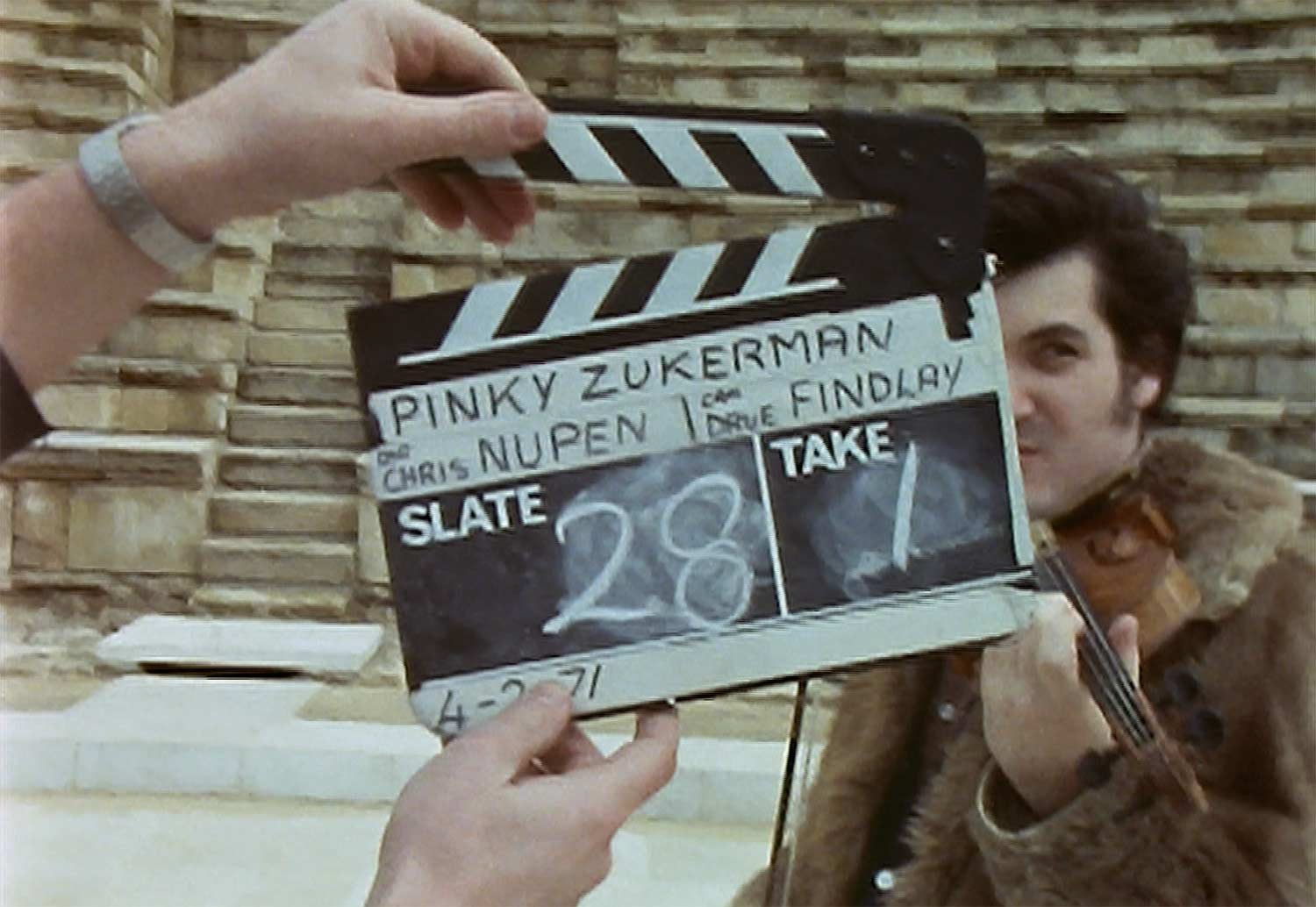
Narrated by: Christopher Nupen
Year of production: 1978
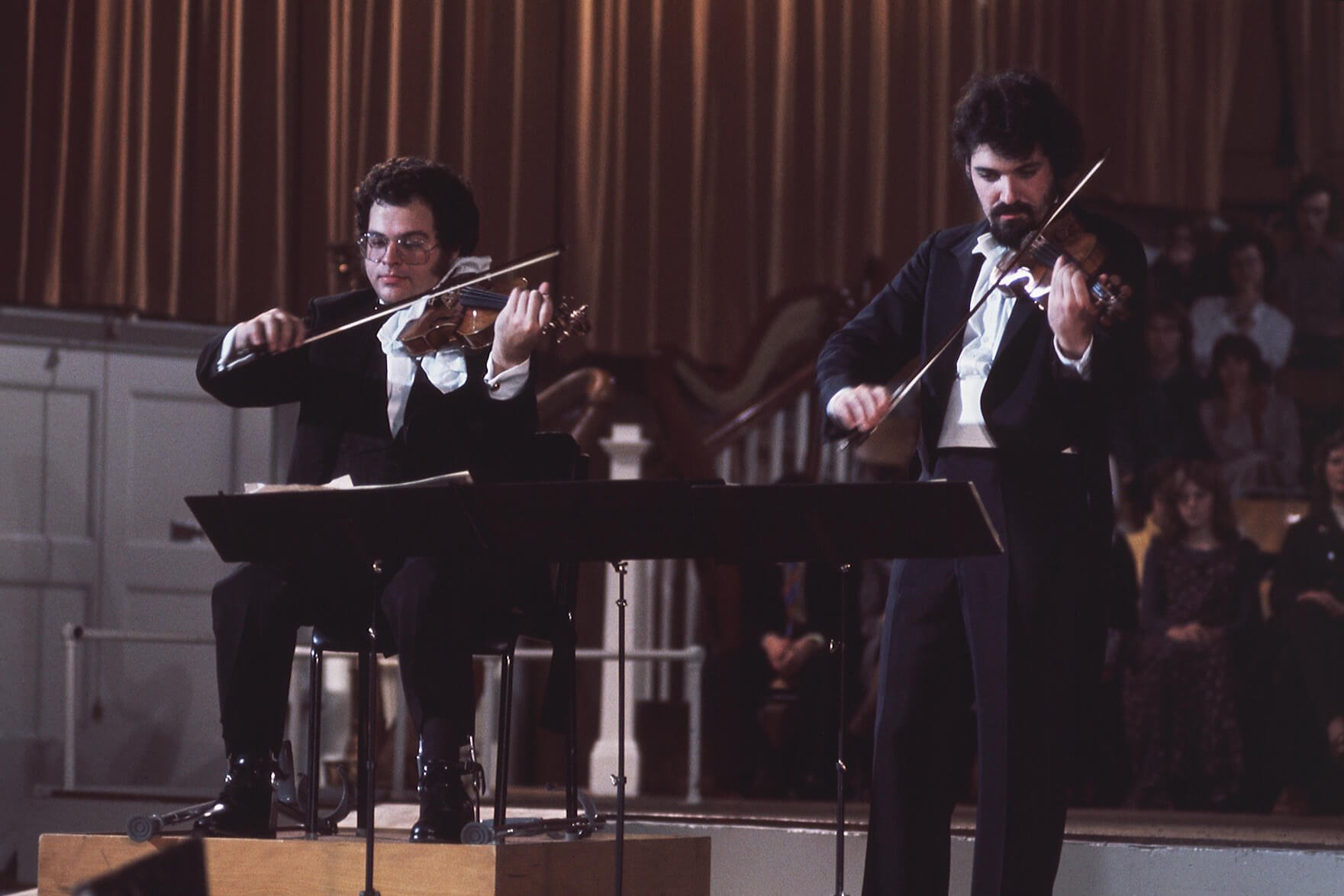
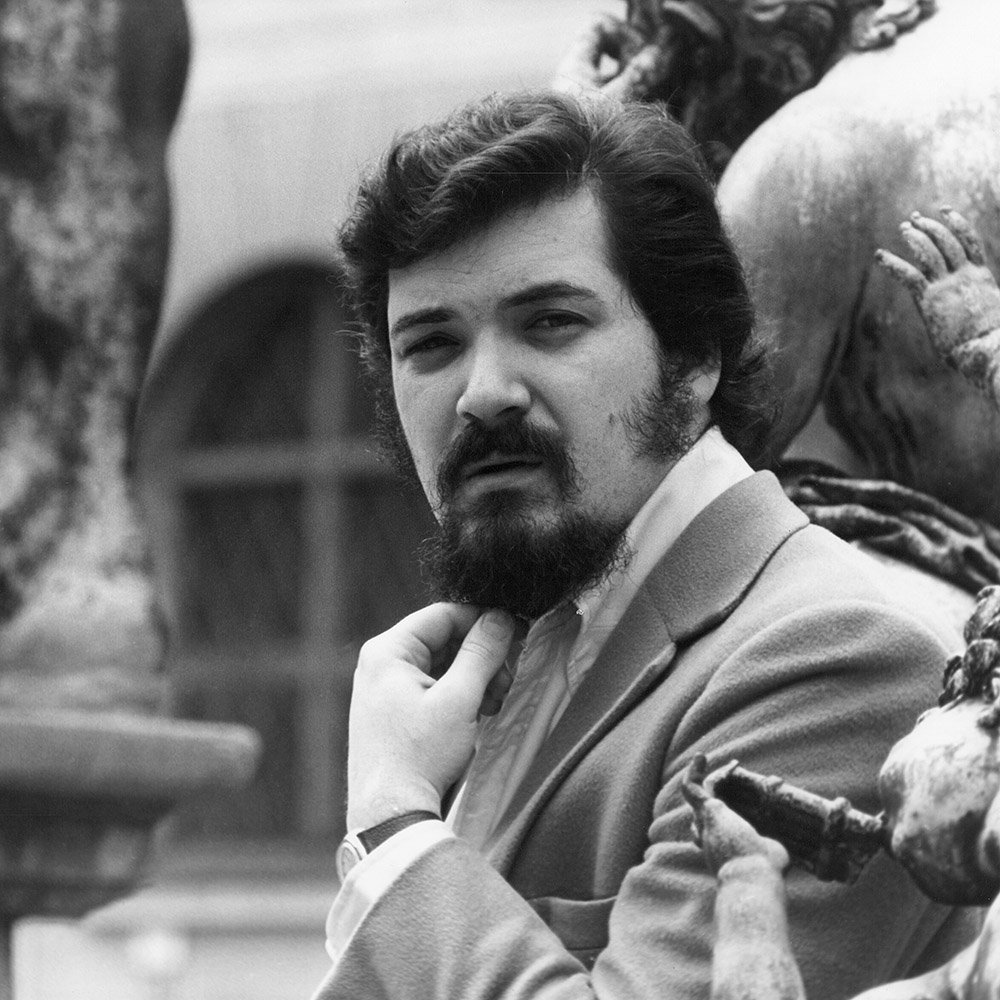
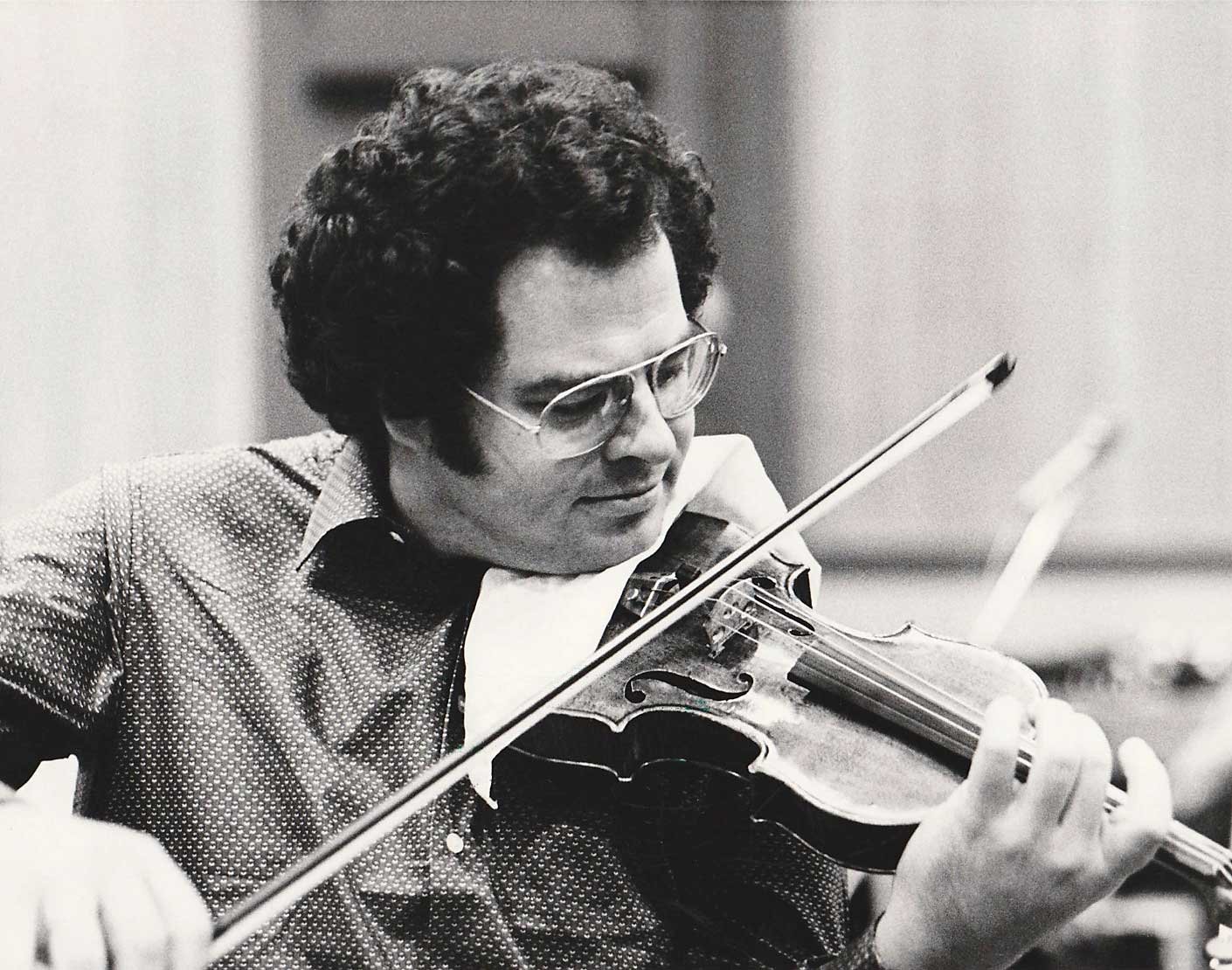
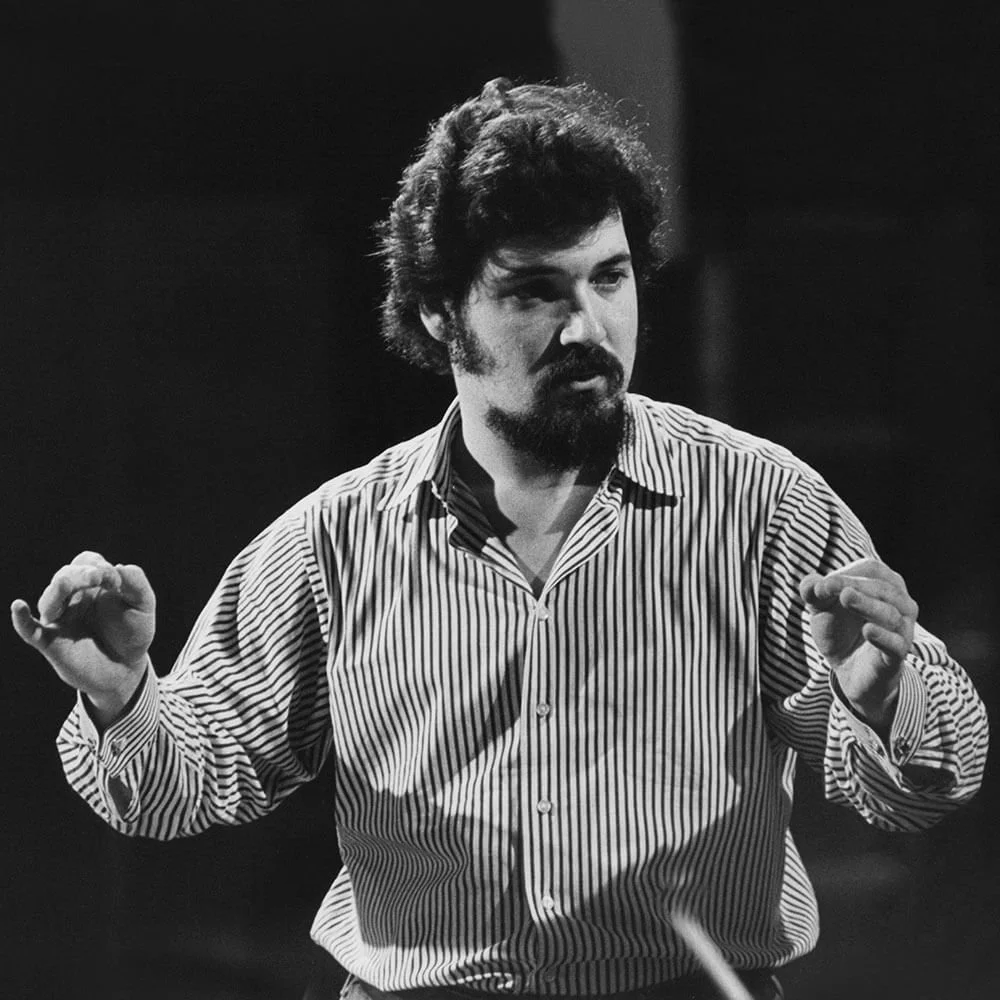
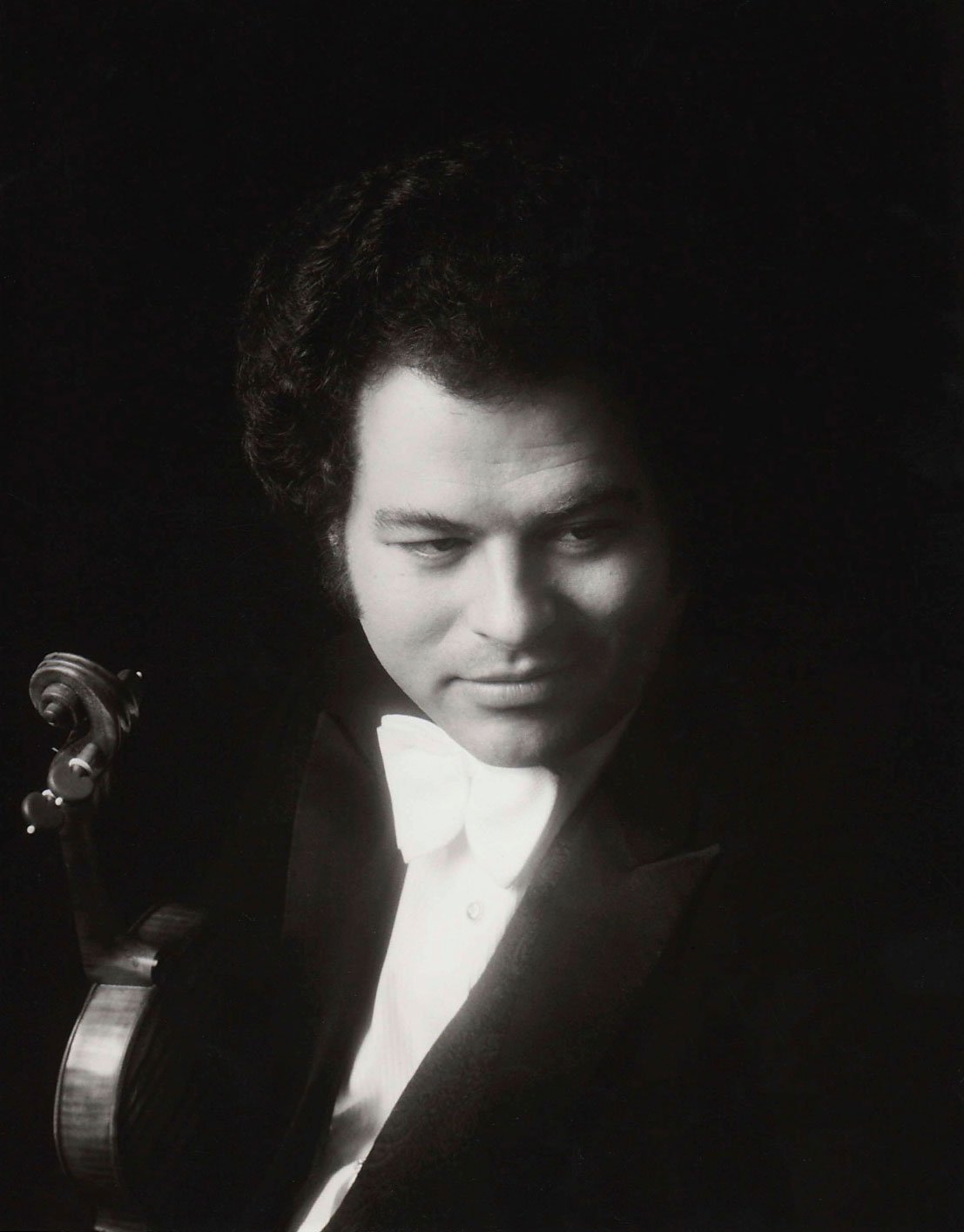
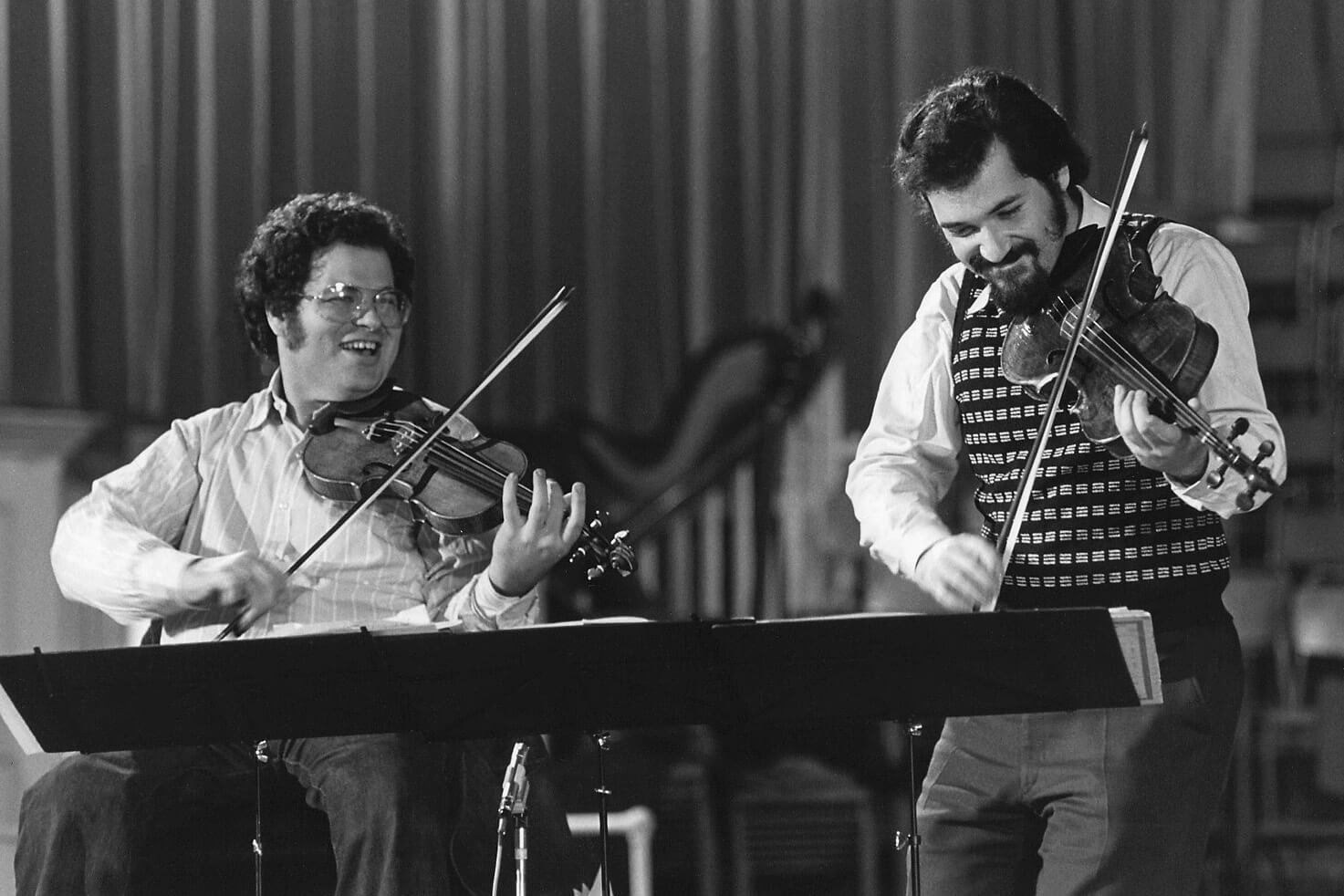
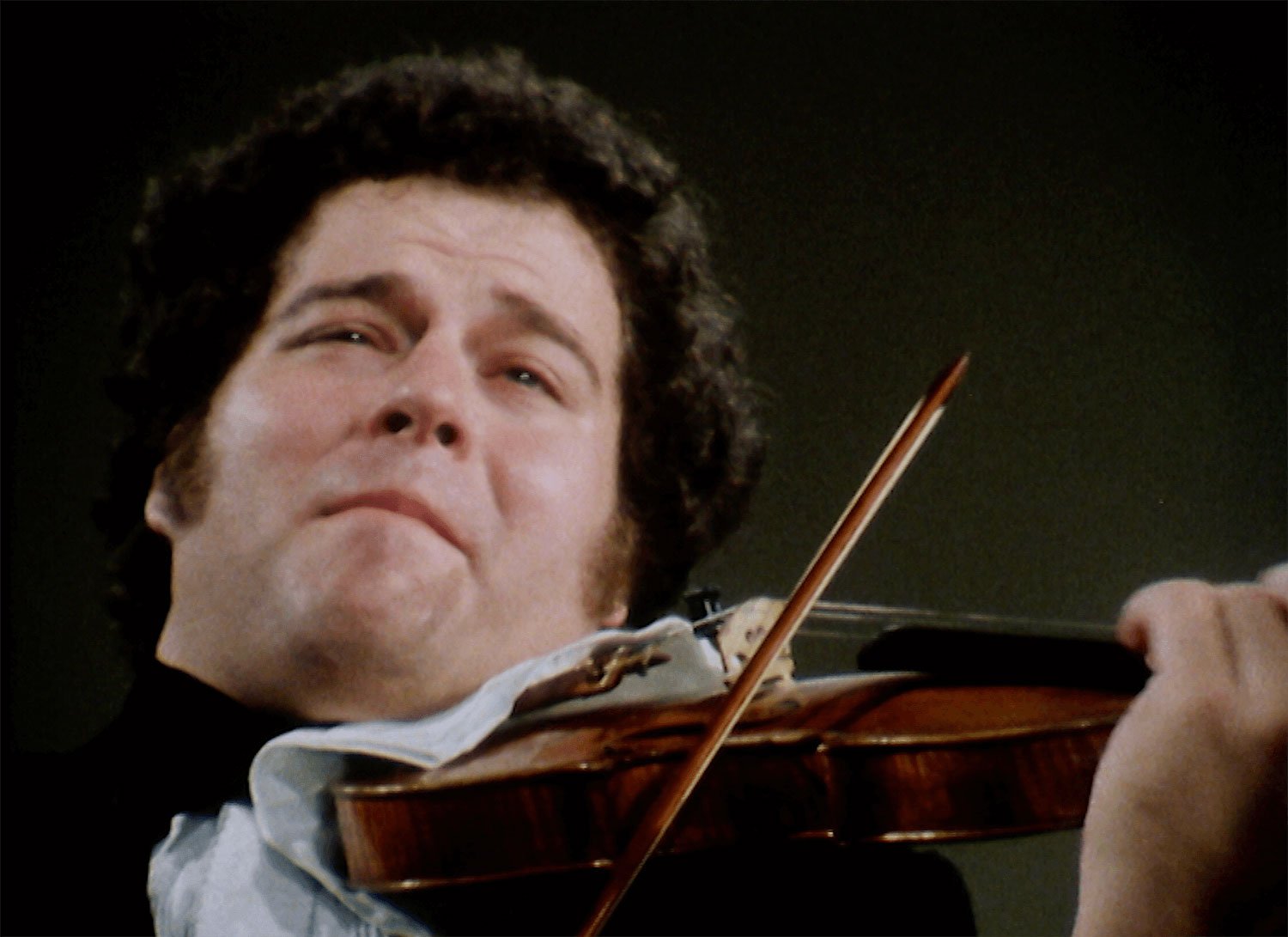
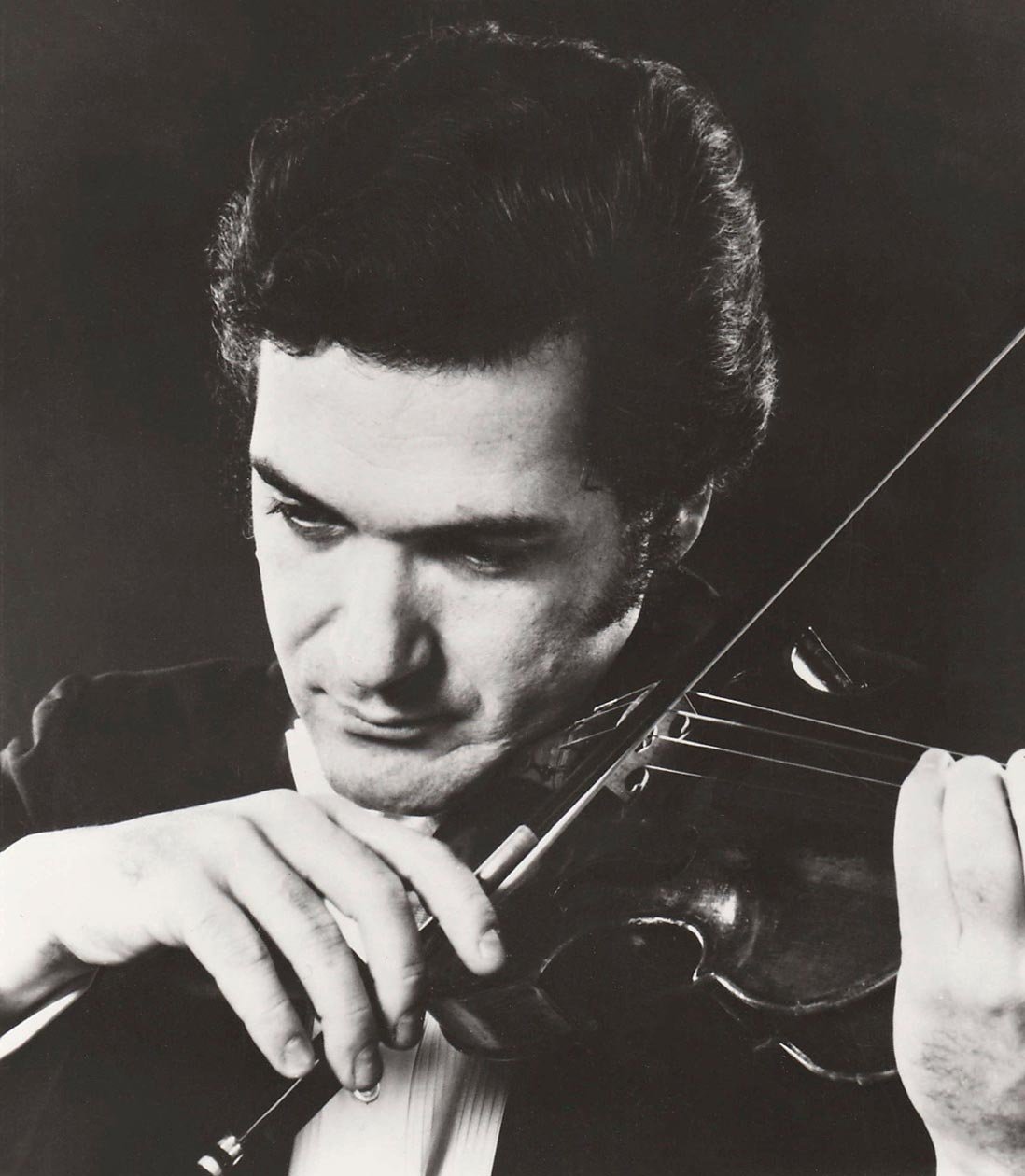
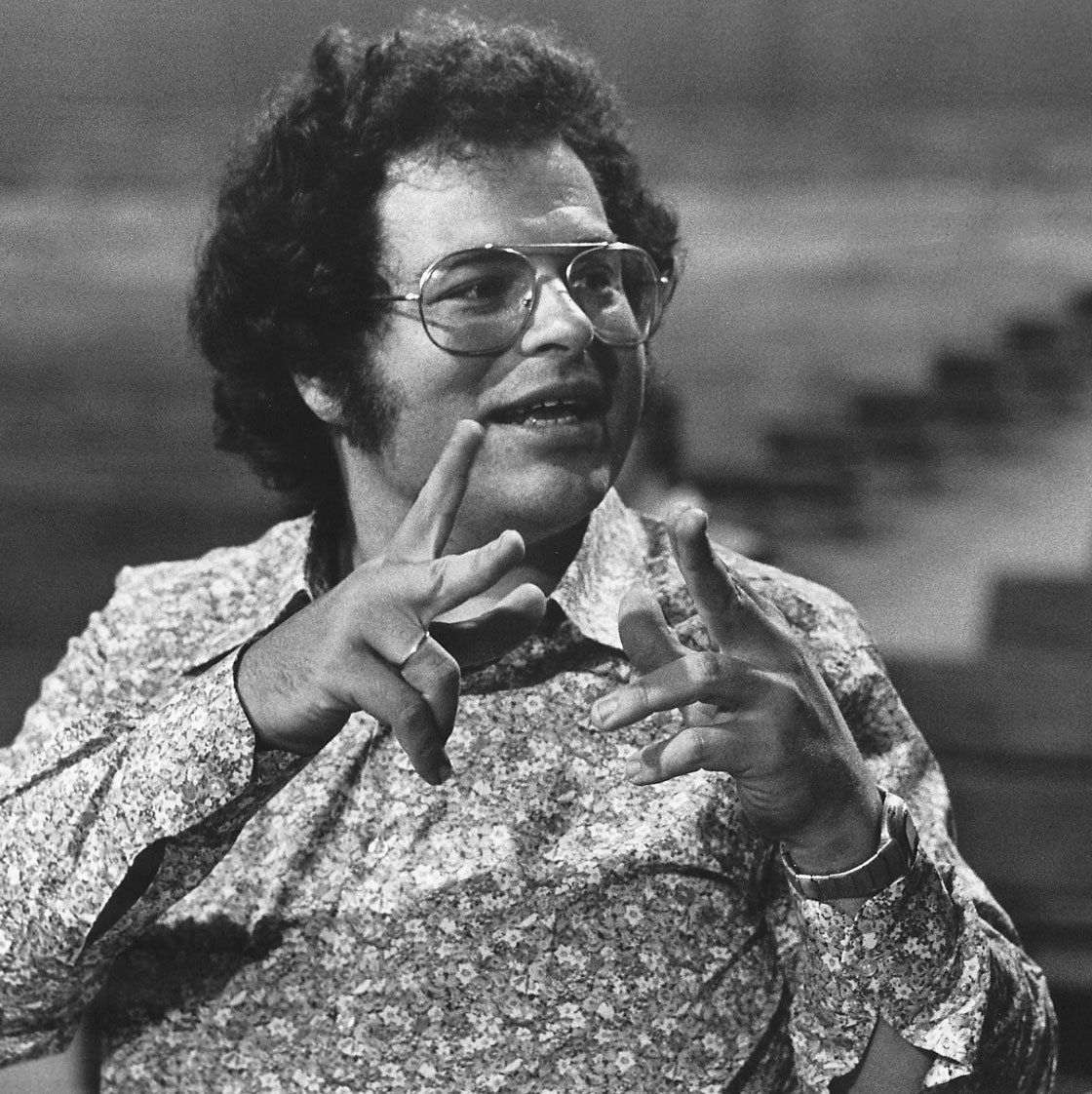
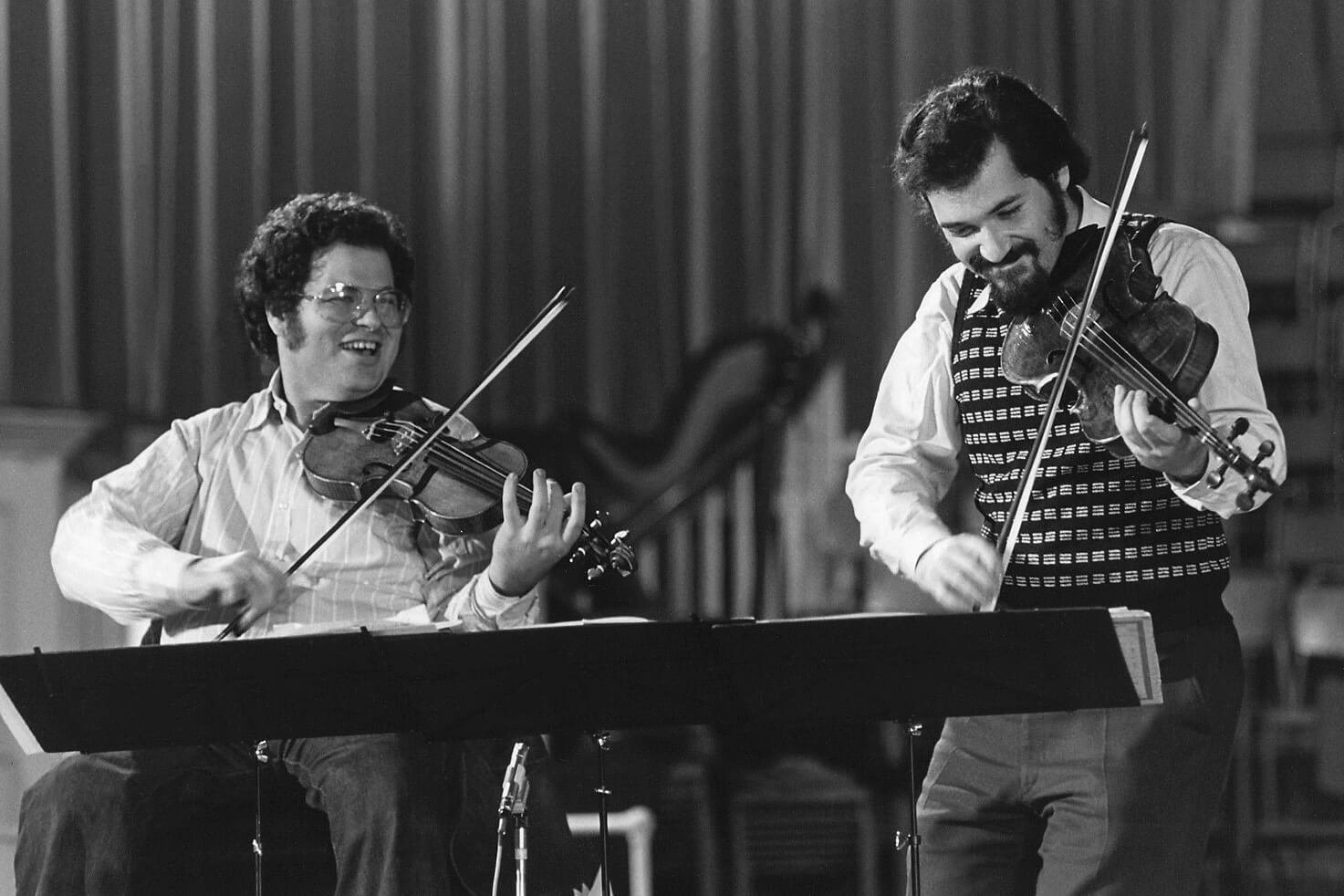
Towards the end of 1976 Itzhak Perlman and Pinchas Zukerman made a European tour together, playing duos for two violins and for violin and viola with Zukerman playing the viola part.
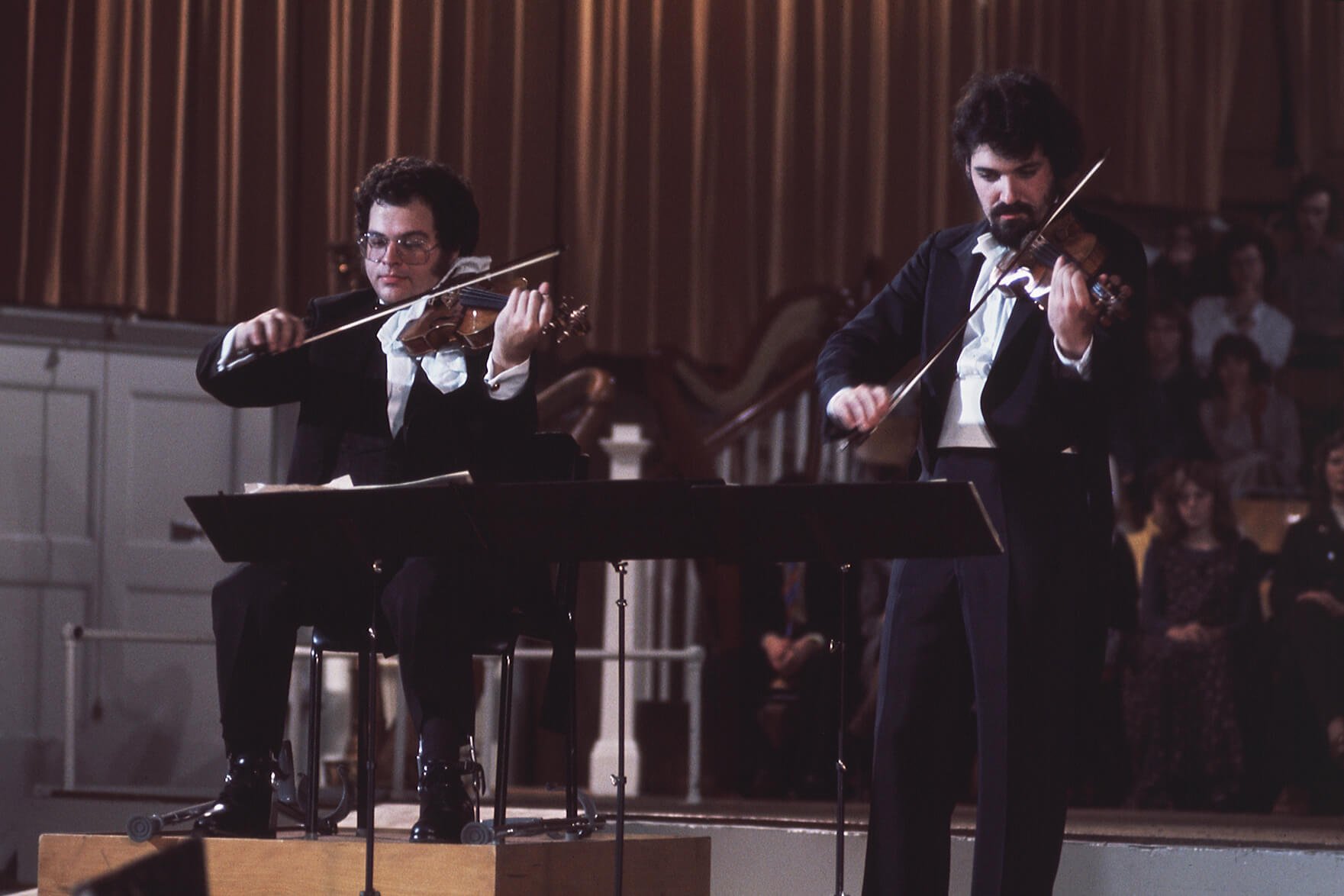
The tour began with a concert in the Théâtre des Champs-Elysées in Paris and was one of those rare musical occasions, which in time become legendary. It produced extraordinary enthusiasm with the public and the critics alike. Jean Cotte in “France Soir” headed his review “Perlman-Zukerman, un vrai miracle”.
-
Even though they are very different as artists, in style and in temperament, Perlman and Zukerman developed a remarkable relationship.
In spite of their differences, they are often mistaken for one another. They were both born in Israel. They both attended the Julliard School courses. And they both won the Leventritt Award (America's top musical prize). Not since Yehudi Menuhin and Isaac Stern played together in Edinburgh in 1953 have two violinists of this calibre seriously set out to harness their individual talents to the disciplines and the pleasures of playing together.
The pair went on to tour many of the musical capitals of Europe with similar success and ended the tour with a concert at the Royal Festival Hall in London.
The first film contains a short introduction, shot during the rehearsal and back-stage (immediately prior to the concert), which is both informative and entertaining. The concert then begins with two Caprices for two Violins by Wieniawsky, continues with the Grand Duo Concertante for Two Violins, Opus 67, by Spohr and ends with the very entertaining Duo for Violin and Viola by Händel/Halvorsen.
The second film contains a very short introduction establishing time and place. The concert then begins with the Sonata for Two Violins No 5 by Leclair and continues with the Duo No 1 for violin and viola K423 by Mozart. This programme ends with an encore for two violins by Wieniawsky, the Caprice in A minor - a marvellous display of elegant virtuosity.
FULL MUSIC REPERTOIRE:
Perlman/Zukerman: Improvisation
Mozart: String Duo No. 1 in G major for violin and viola, K. 423
Wieniawski: Études-Caprices for Two Violins, Op. 18, No. 1 & No. 2
Spohr: Duo concertante for Two Violins, Op. 67 No. 2
Handel / Halvorsen: Passacaglia (from the Harpsichord Suite in G Minor, HWV 432)
——————————————————
Wieniawski: Caprice in A Minor
Paganini: Caprice No. 24
Leclair: Sonata for two violins Op.3 No. 5
Mozart: Duo N. 1 in G Major K 423

Our Films on DVD

This DVD is an intimate account of the formative years in the life and career of one of the leading violinists of our time.
Itzhak Perlman fell in love with the sounds of the violin at the age of 3½ but contracted polio a few months later and was soon to learn that it would be impossible, with his handicap, for him to pursue a high-level career as a violinist.
Not only has he succeeded in doing what the world thought quite impossible but he has done it on a level that few have matched. It is a heartening story of the spectacular triumph of talent, determination, character and tenacity over seemingly insurmountable odds, producing truly glorious results along the way.
The DVD contains the much-admired portrait film Itzhak Perlman: Virtuoso Violinist (I Know I Played Every Note) together with The Trout Remembered, Jacqueline du Pré Remembered (made especially for this DVD) and two complete Bach Partitas, E major and D minor, filmed live at a memorable recital at St John's, Smith Square, in London.

This DVD contains two of the most famous Schubert films — each entirely different from the other in style, content and spirit.
The first, The Trout, presents a youthful explosion of exuberant talent; starting with Schubert himself — who wrote his Trout Quintet when he was 22 years old. His lead is picked up and brought to life by five extravagantly gifted young musicians when they were barely older than Schubert had been when he wrote the piece. Their names: Daniel Barenboim, Itzhak Perlman, Pinchas Zukerman, Jacqueline du Pré and Zubin Mehta.
The film was shot in a single week in August of 1969 and culminates with a performance of Schubert's Trout Quintet, filmed live on-stage at the new Queen Elizabeth Hall, on the south bank of the Thames, in London.
The second film, The Greatest Love and the Greatest Sorrow, looks at Schubert's astonishing achievements in the last 20 months of his life - after the death of his god, Beethoven. He asked the question, "Who would dare to do anything after Beethoven”? The answer, of course, was Franz Peter Schubert, in the music which he wrote after Beethoven's death.

This is a DVD about many things. It is about freedom and captivity, about emancipation, acculturation and assimilation; it is about the roles played by Moses and Felix Mendelssohn in the dream of fruitful, unproblematic integration of the Jews into German society after their liberation from the ghettos; it is about Richard Wagner, his essay Das Judenthum in der Musik (The Jews in Music) and his influence on the thinking of the Third Reich but, most of all, it is a DVD about how much music can mean to people, even in the direst of circumstances, or particularly in the direst circumstances.
The title, We Want the Light, is taken from a poem by a 12-year-old girl, Eva Pickova, written in the Theresienstadt concentration camp. Her words provide both the title and the climax - in a setting for two choruses and orchestra by the American composer Franz Waxman, in his work The Song of Terezin. The DVD also contains music by Mahler, Bach, Schoenberg, Bruch, Schumann, Mendelssohn, Wagner, Schubert, Bloch and Brahms.
With the Gürzenich Orchestra of Cologne, the Cologne Opera Chorus, and the Cologne Cathedral Children's Choir, conducted by Vladimir Ashkenazy.