Info:
Year of production: 1984
Music:
Sonatina Opus 137 No 1 in D major - 16' 27"
Sonatina Opus 137 No 2 in A minor - 24' 05"
Sonatina Opus 137 No 3 in G minor - 18' 08"
Arpeggione Sonata in A minor - 26' 17"
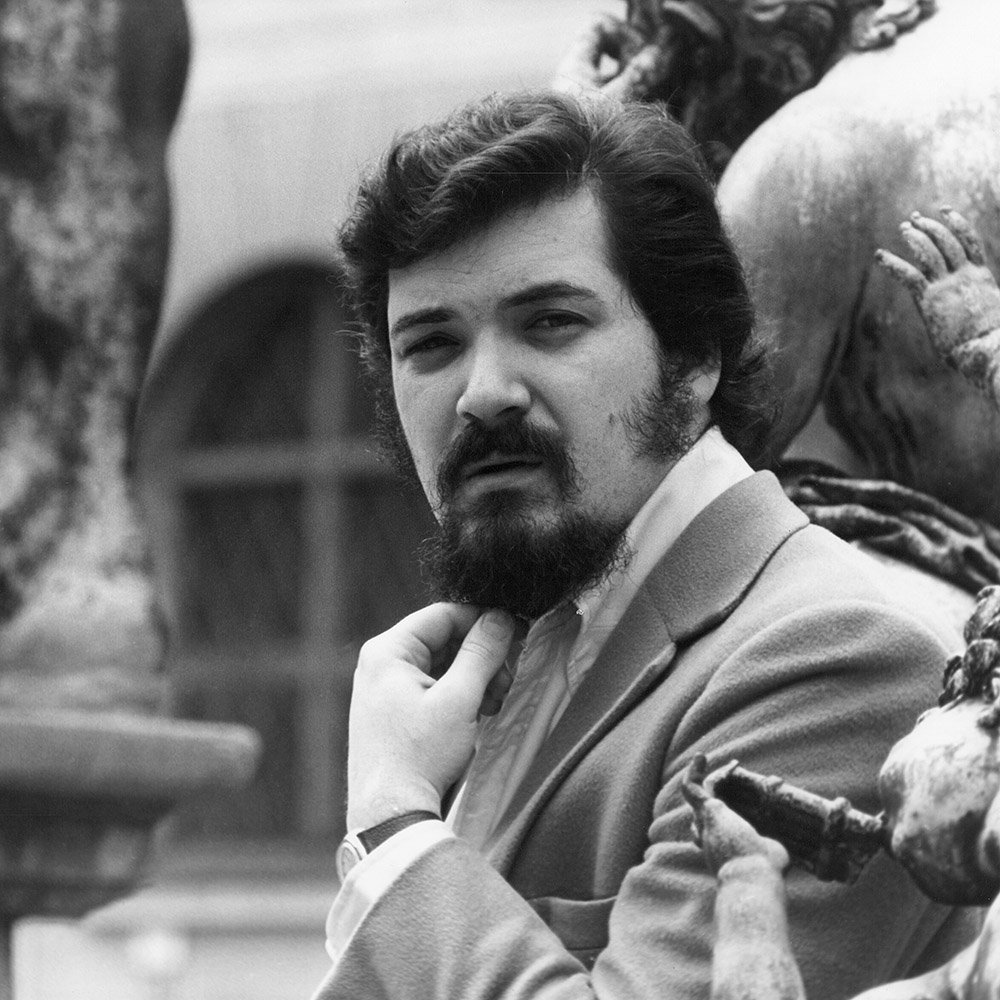
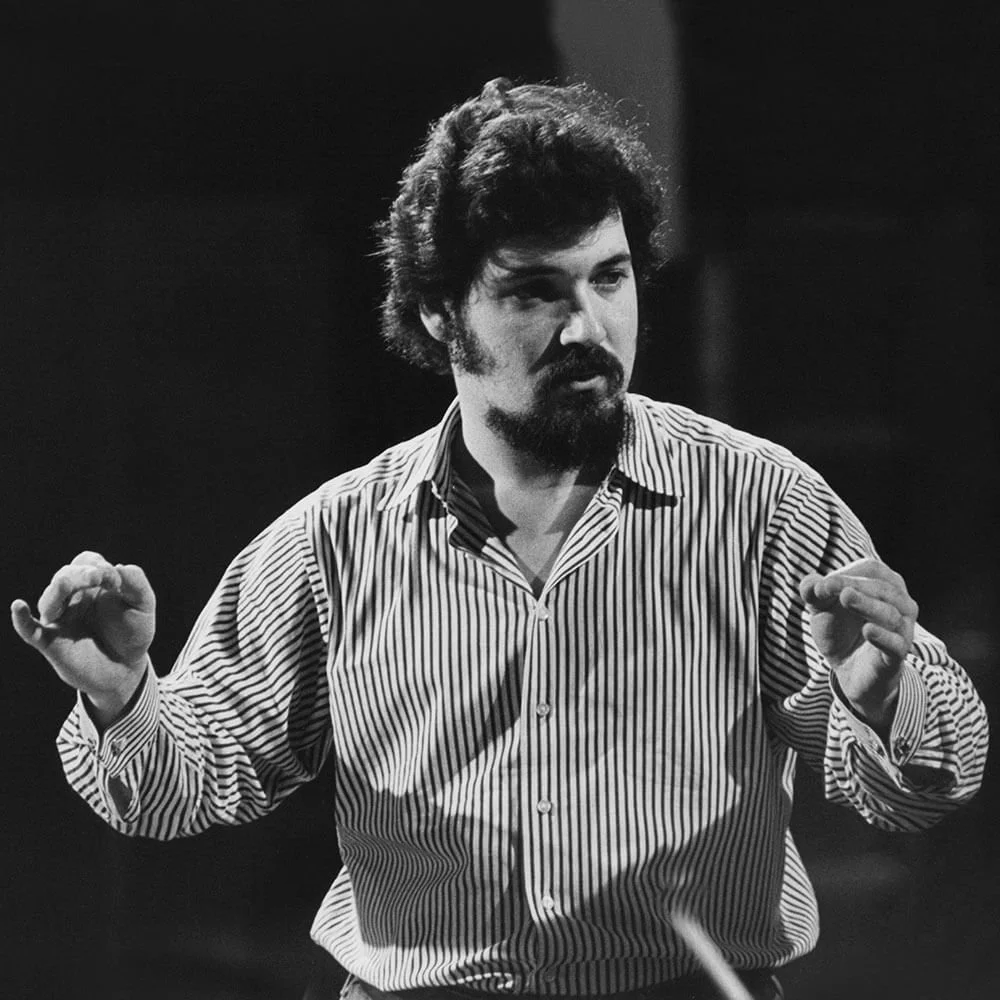
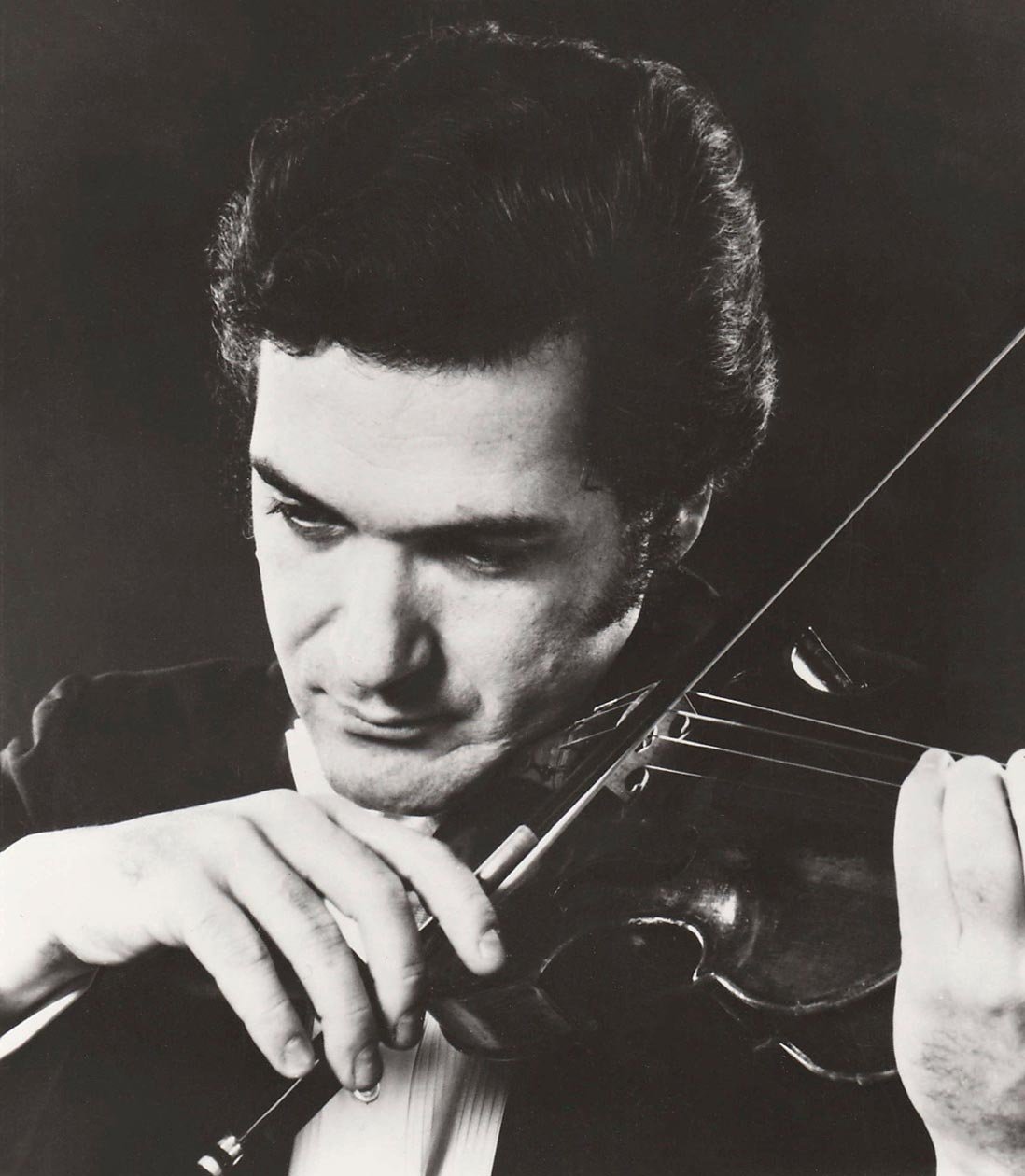
Played by Pinchas Zukerman and Marc Neikrug:
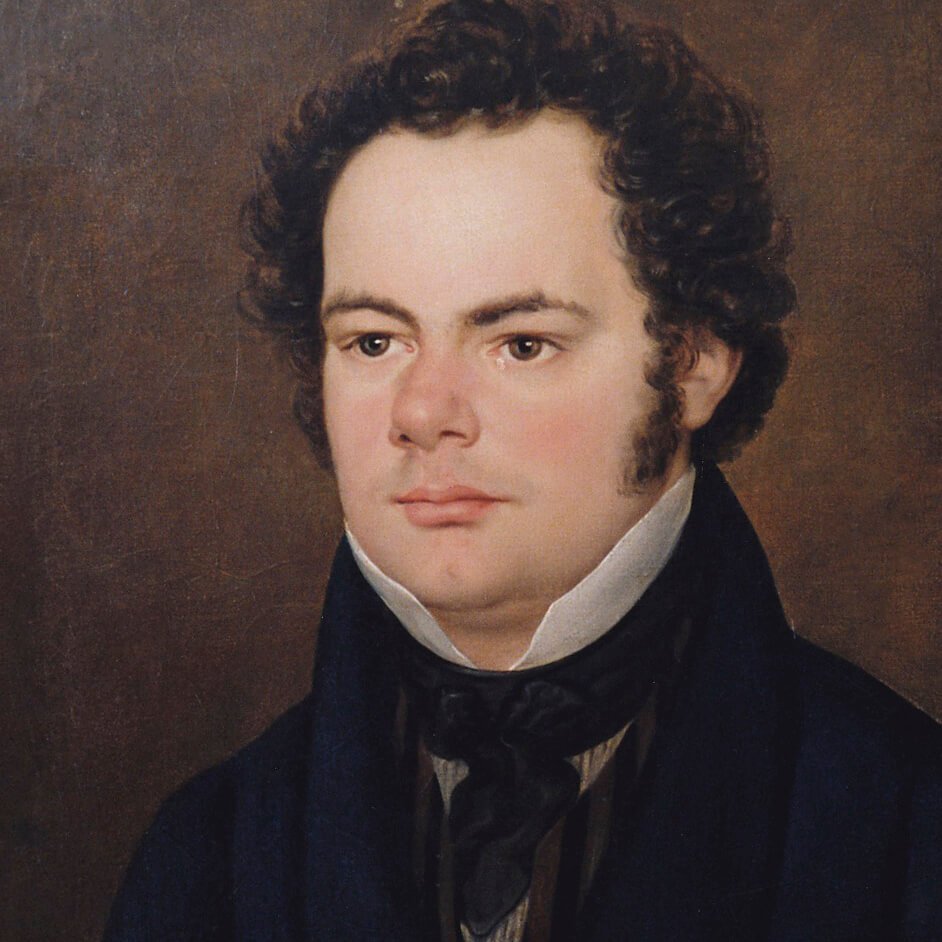
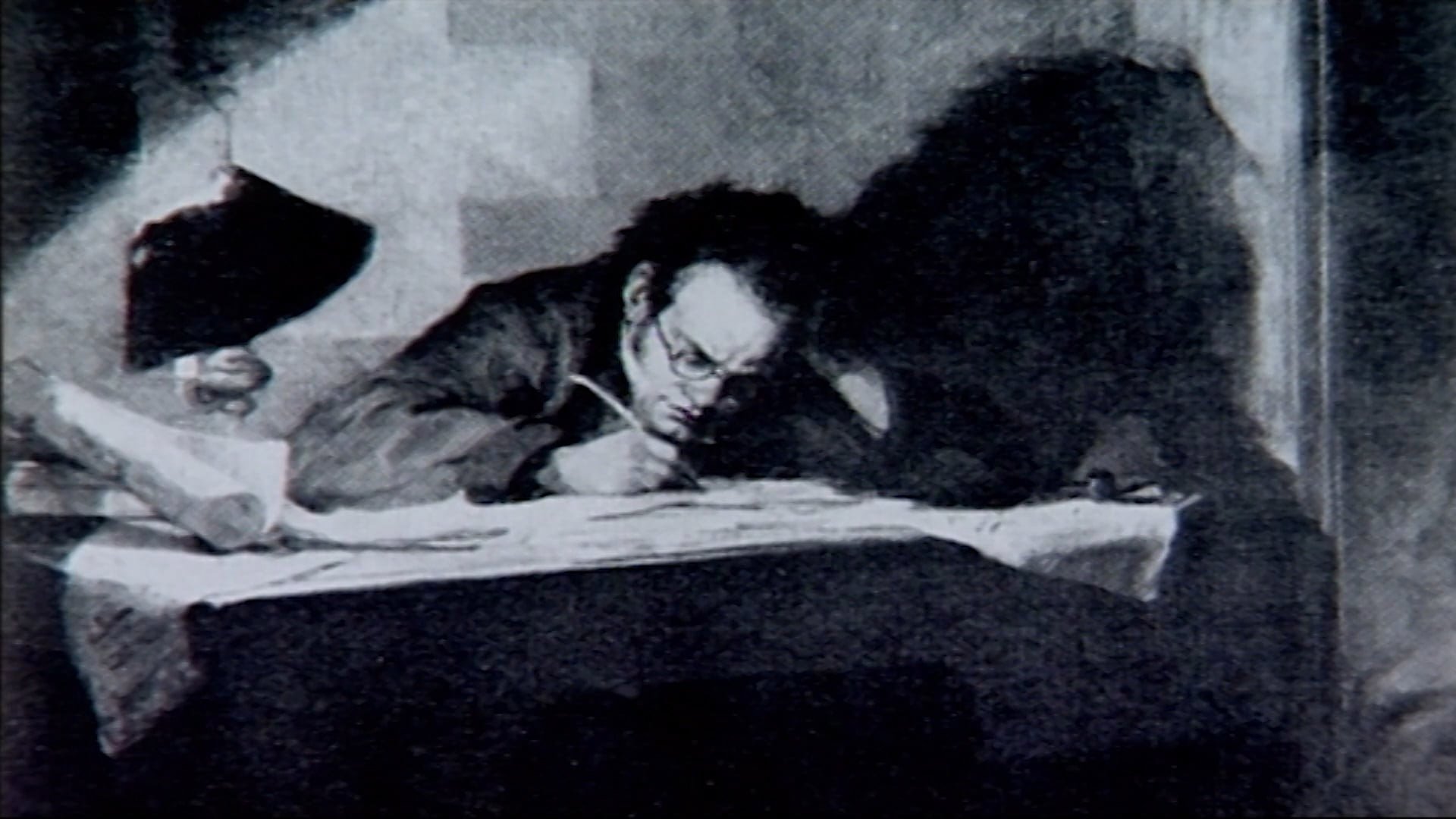
The three Sonatinas Opus 137 were written in 1816, one of Schubert’s happiest and most prolific years. He modelled them on the Sonatas of Mozart, but they are full of unmistakable Schubertian lyricism which was much admired by Brahms.
The arpeggione was an instrument with a fretted keyboard, invented in Vienna by J G Staufer in 1823. It was a cross between a guitar and a viola da gamba and was also known as the guitar-cello or the guitar d’amour. It was intended to produce a wider range and more varied tone colours than the cello, but the instrument has not survived.
Schubert’s single composition for it was written for his friend Vincenz Schuster in the year after its invention - a year of intense loneliness and extreme personal suffering for Schubert. This was the year in which he described himself as “the most unfortunate, the most miserable being on earth... A time to recognise grim reality which I try to beautify as best I can with my imagination”.
The Arpeggione Sonata is usually played on the cello, but the viola is probably closer to the timbre of the original instrument and Pinchas Zukerman is without question the finest performer on the viola that we have today.

Our Films on DVD

This DVD contains two of the most famous Schubert films — each entirely different from the other in style, content and spirit.
The first, The Trout, presents a youthful explosion of exuberant talent; starting with Schubert himself — who wrote his Trout Quintet when he was 22 years old. His lead is picked up and brought to life by five extravagantly gifted young musicians when they were barely older than Schubert had been when he wrote the piece. Their names: Daniel Barenboim, Itzhak Perlman, Pinchas Zukerman, Jacqueline du Pré and Zubin Mehta.
The film was shot in a single week in August of 1969 and culminates with a performance of Schubert's Trout Quintet, filmed live on-stage at the new Queen Elizabeth Hall, on the south bank of the Thames, in London.
The second film, The Greatest Love and the Greatest Sorrow, looks at Schubert's astonishing achievements in the last 20 months of his life - after the death of his god, Beethoven. He asked the question, "Who would dare to do anything after Beethoven”? The answer, of course, was Franz Peter Schubert, in the music which he wrote after Beethoven's death.

The two very different films on this DVD celebrate, in different ways, the extraordinary quest of Andrés Segovia. He was an Andalusian, par excellence, who, in his childhood, fell in love with the beauties of the Alhambra and the melancholy voices of the Spanish guitar and, within the space of 20 years, had taught himself the instrument, revolutionised the technique and elevated the guitar to the highest levels of the international concert platform - an achievement unique in the history of Western music.
The titles of the films are, Segovia at Los Olivos, which we shot in his new home on the Costa del Sol in Andalucia when the Grand Master was 75 and, Andrés Segovia: The Song of the Guitar which we shot in Granada and the glorious Palaces of the Alhambra, when he was 84.
Near the end of his life Segovia said that the first of them was the best thing that he ever did for television. The second won the Prix du Public at the Besançon Festival in 1977.
Music by Bach, Granados, Torroba, Llobet, Tarrega, Castelnuovo-Tedesco, Scarlatti, Ponce, Rameau, Sor, Aguado, Chopin and Albeniz.

Evgeny Igorevich Kissin was born in Moscow on the 10th of October 1971.
He started to play the piano at the age of two, as soon as he was tall enough to reach the keyboard and he has not looked back from that day to this. His is a very rare story of continued success that has had the simultaneous blessing of critics, the public and musicians alike.
The Gift of Music is a film which shows Kissin in preparation, interview, rehearsal and performance, with several dazzling performances shot live on stage, in true concert conditions. It also contains all the encores from Kissin's memorable Promenade concert at the Royal Albert Hall, London, in August 1997.
This was the first Prom in the 103-year history of the celebrated Promenade Concerts to be given by a solo recitalist and it attracted the biggest audience in all of those 103 years; very nearly six thousand people.
The music is by Liszt, Gluck, Haydn, Beethoven, Schubert, Paganini, Kissin himself and Chopin, the composer for whom Kissin feels the closest affinity.